

Common description
Explore our amenities and services assuring that you have everything you need in the comfort of your own room! We offer:
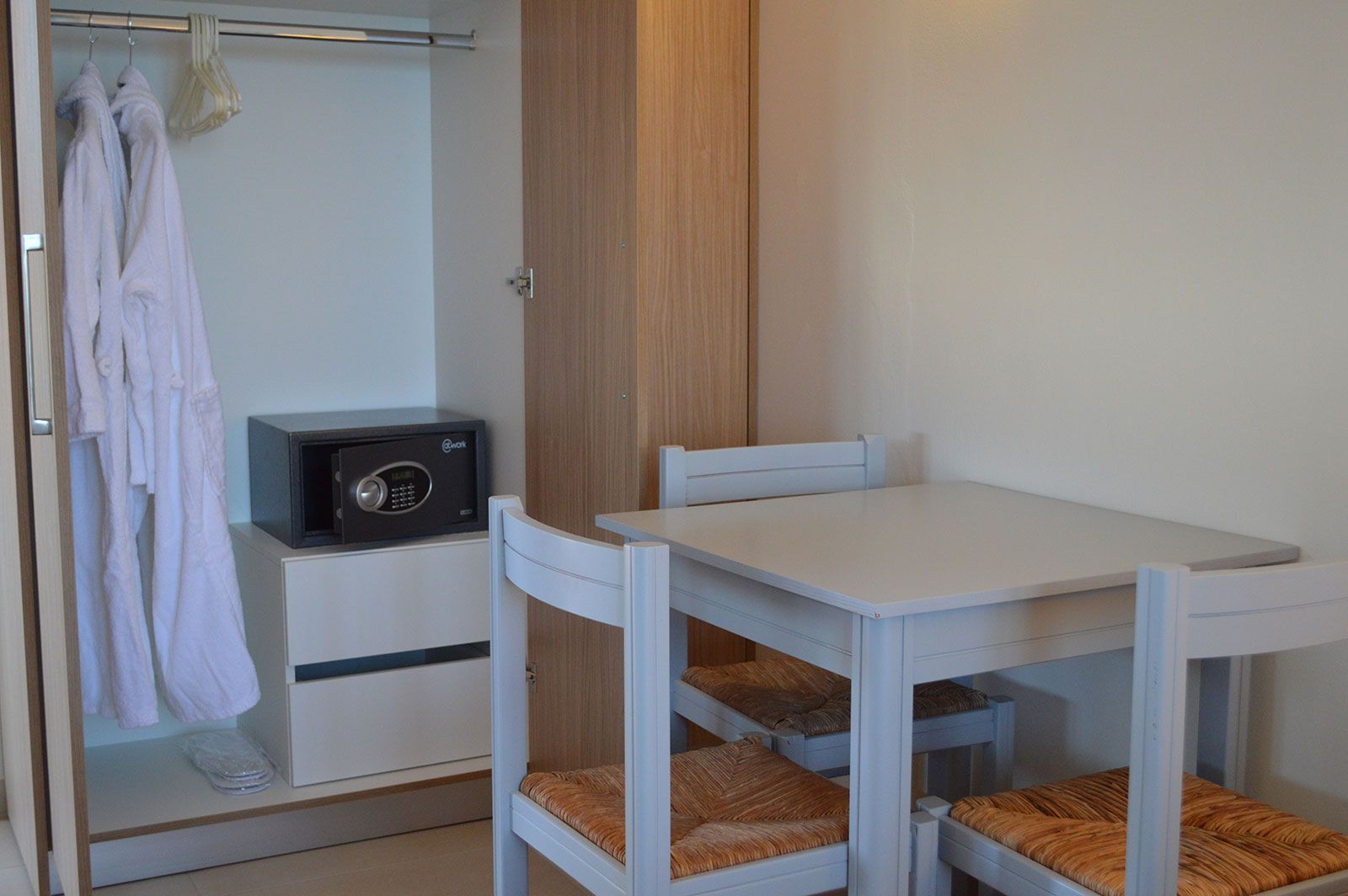
Free Wifi, free public parking, BBQ facilities, Outdoor pool (seasonal), Garden, Terrace, Sun terrace, Sunbeds & Umbrellas, Luggage storage, Daily maid service, Outdoor dining area & barbeque with pergola just next to the swimming pool, Safety box in every room, kitchen and dining equipment and more…
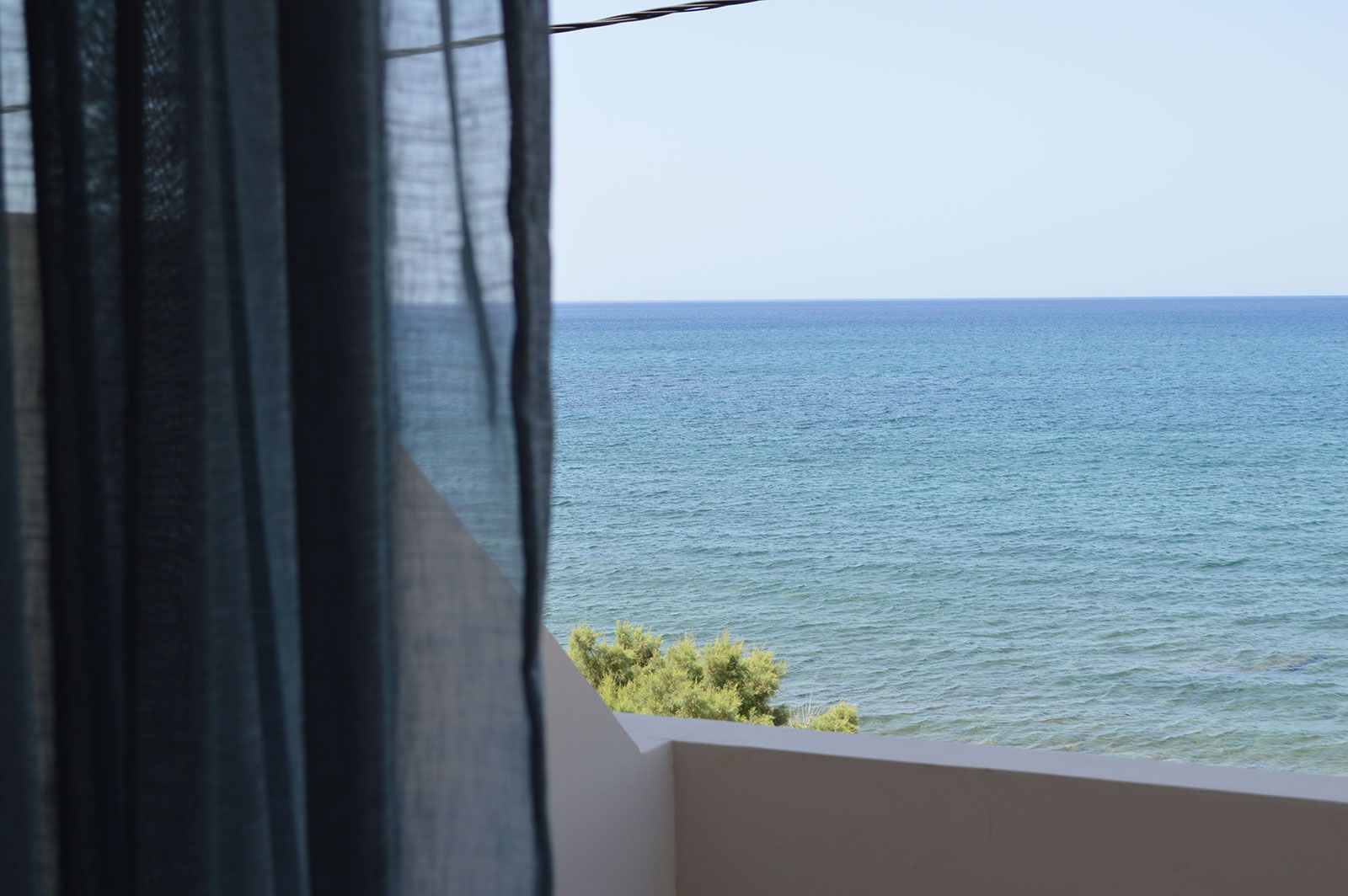
In amazing Crete, 37 Km of westwards city Chania is found the beautiful town of Kissamos. Christina Beach Hotel is a new hotel on the seaside, only a few minutes away from the centre of picturesque Kissamos. Enjoy breakfast just by the sea ( 10 metres ) with a view to Kissamos bay.
Free Wifi, free public parking, BBQ facilities, Outdoor pool (seasonal), Garden, Terrace, Sun terrace, Sunbeds & Umbrellas, Luggage storage, Daily maid service, Outdoor dining area & barbeque with pergola just next to the swimming pool, Safety box in every room, kitchen and dining equipment and more…
In amazing Crete, 37 Km of westwards city Chania is found the beautiful town of Kissamos. Christina Beach Hotel is a new hotel on the seaside, only a few minutes away from the centre of picturesque Kissamos. Enjoy breakfast just by the sea ( 10 metres ) with a view to Kissamos bay.
Near hotel
Situated in the far West of Crete, Kissamos covers an area of 150,000sq meters and has a population of approximately 10,000 inhabitants. It is divided into three administrative districts- Kissamos, Mithimna and Innahorion – with the capital in Kastelli Kissamos. Located in the prefecture of Chania , Kissamos is 36km from the town of Chania.
Kissamos Kasteli town Kissamos (Kastelli), capital of Kissamos, is a modern seaside town whose economy is based mainly on agriculture – with its renowned olive oil and wine- plus tourism, and is still developing. The beauty of Kissamos is that it is a Greek town that has embraced tourism but not been spoilt by it. The visitor to Kissamos can experience local life and tradition, from the everyday to the special cultural events organized during the summer season. In recent years it has also developed as a region renowned for its alternative, natural and eco tourism and as such is a magnet for walkers, bird watchers and lovers of nature generally. It is a hospitable town, well organized with all the facilities required of a self sufficient town, such as banks, post office, internet cafes, health center, supermarkets and stores, taverns, cafes and bars. It also has a very pleasant seaside promenade lined with taverns, cafes and bars open from the morning till late at night.
The archeological museum of Kissamos, situated in the central square Stratigou Tzanakaki, is a recently renovated listed building housing a treasure trove of local archaeological finds from the Hellenistic and Roman periods – most notably very impressive mosaics. There is also a delightful street called Skalidi that runs through the center of the old section of the town with traditional arched buildings and small local tradesmen and shops. One and a half kilometers from the centre of town is the picturesque fishing port with two taverns and a little further on the larger commercial port that links Kissamos by a ferry service to Kythera , the Peloponnese and Piraeus. From this port there is also a daily pleasure cruise to the stunning island of Gramvousa and lagoon of Balos. Between the two ports is the surprising little 10th century church (reconstructed in 1947) St. John Damiali built into the rock-face and opposite a tunnel leading to Damiali beach – a pebbly cove with crystal clear water that will enchant you.
Kissamos was also known as Kastelli and got its name from the Venetian castle that used to stand in the town. Predating that time, “Cisamon” is mentioned by Pliny and “Kissamos Town” by Ptolemy. The town flourished during the Roman period and much evidence of this has been uncovered, with Roman baths, villas with mosaic floors, cemeteries, an aqueduct and the remains of the fortress walls. In the museum there are archaic, classical and Hellenistic objects, pots, statues, glass containers and coins etc. Roman Kissamos also had a famous theater which was noted by Onario Belli in the late sixteenth century, and the famous archaeologist B. Theofanidis has established Seli, an area just outside of the town of Kissamos, as a base for King Agamemnon. During the first Byzantine period Kissamos retained its power and the diocese was established but during the second Byzantine period the bishopric was moved to the village of Episkopi to escape the pirate raids on the coast. During the Venetian occupation the diocese of Kissamos was received into the universal church , as mentioned by a Latin bishop in 1307. During the period 1579 to 1582 a fortress with a pentagon shaped church, prison, barracks and well was constructed. Some of the wall is still visible in the town today. During the Turkish occupation Kastelli actively participated in all revolutionary attacks against the Turks and sought union with Mother Greece. Also during World War II Kissamos the town, and the whole area, was active in the resistance against the occupying Nazis.
Kissamos Kasteli town Kissamos (Kastelli), capital of Kissamos, is a modern seaside town whose economy is based mainly on agriculture – with its renowned olive oil and wine- plus tourism, and is still developing. The beauty of Kissamos is that it is a Greek town that has embraced tourism but not been spoilt by it. The visitor to Kissamos can experience local life and tradition, from the everyday to the special cultural events organized during the summer season. In recent years it has also developed as a region renowned for its alternative, natural and eco tourism and as such is a magnet for walkers, bird watchers and lovers of nature generally. It is a hospitable town, well organized with all the facilities required of a self sufficient town, such as banks, post office, internet cafes, health center, supermarkets and stores, taverns, cafes and bars. It also has a very pleasant seaside promenade lined with taverns, cafes and bars open from the morning till late at night.
The archeological museum of Kissamos, situated in the central square Stratigou Tzanakaki, is a recently renovated listed building housing a treasure trove of local archaeological finds from the Hellenistic and Roman periods – most notably very impressive mosaics. There is also a delightful street called Skalidi that runs through the center of the old section of the town with traditional arched buildings and small local tradesmen and shops. One and a half kilometers from the centre of town is the picturesque fishing port with two taverns and a little further on the larger commercial port that links Kissamos by a ferry service to Kythera , the Peloponnese and Piraeus. From this port there is also a daily pleasure cruise to the stunning island of Gramvousa and lagoon of Balos. Between the two ports is the surprising little 10th century church (reconstructed in 1947) St. John Damiali built into the rock-face and opposite a tunnel leading to Damiali beach – a pebbly cove with crystal clear water that will enchant you.
Kissamos was also known as Kastelli and got its name from the Venetian castle that used to stand in the town. Predating that time, “Cisamon” is mentioned by Pliny and “Kissamos Town” by Ptolemy. The town flourished during the Roman period and much evidence of this has been uncovered, with Roman baths, villas with mosaic floors, cemeteries, an aqueduct and the remains of the fortress walls. In the museum there are archaic, classical and Hellenistic objects, pots, statues, glass containers and coins etc. Roman Kissamos also had a famous theater which was noted by Onario Belli in the late sixteenth century, and the famous archaeologist B. Theofanidis has established Seli, an area just outside of the town of Kissamos, as a base for King Agamemnon. During the first Byzantine period Kissamos retained its power and the diocese was established but during the second Byzantine period the bishopric was moved to the village of Episkopi to escape the pirate raids on the coast. During the Venetian occupation the diocese of Kissamos was received into the universal church , as mentioned by a Latin bishop in 1307. During the period 1579 to 1582 a fortress with a pentagon shaped church, prison, barracks and well was constructed. Some of the wall is still visible in the town today. During the Turkish occupation Kastelli actively participated in all revolutionary attacks against the Turks and sought union with Mother Greece. Also during World War II Kissamos the town, and the whole area, was active in the resistance against the occupying Nazis.
Rooms
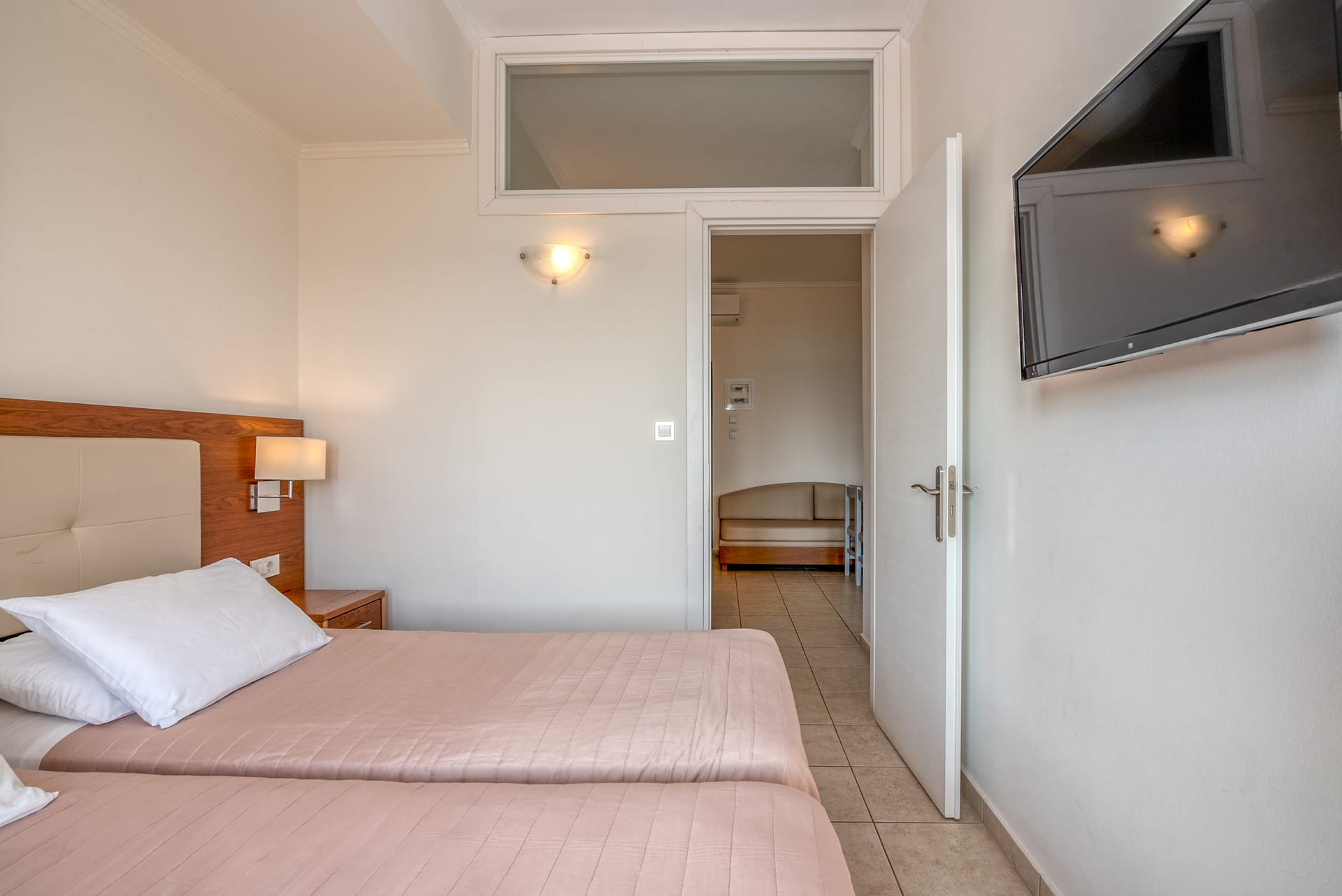
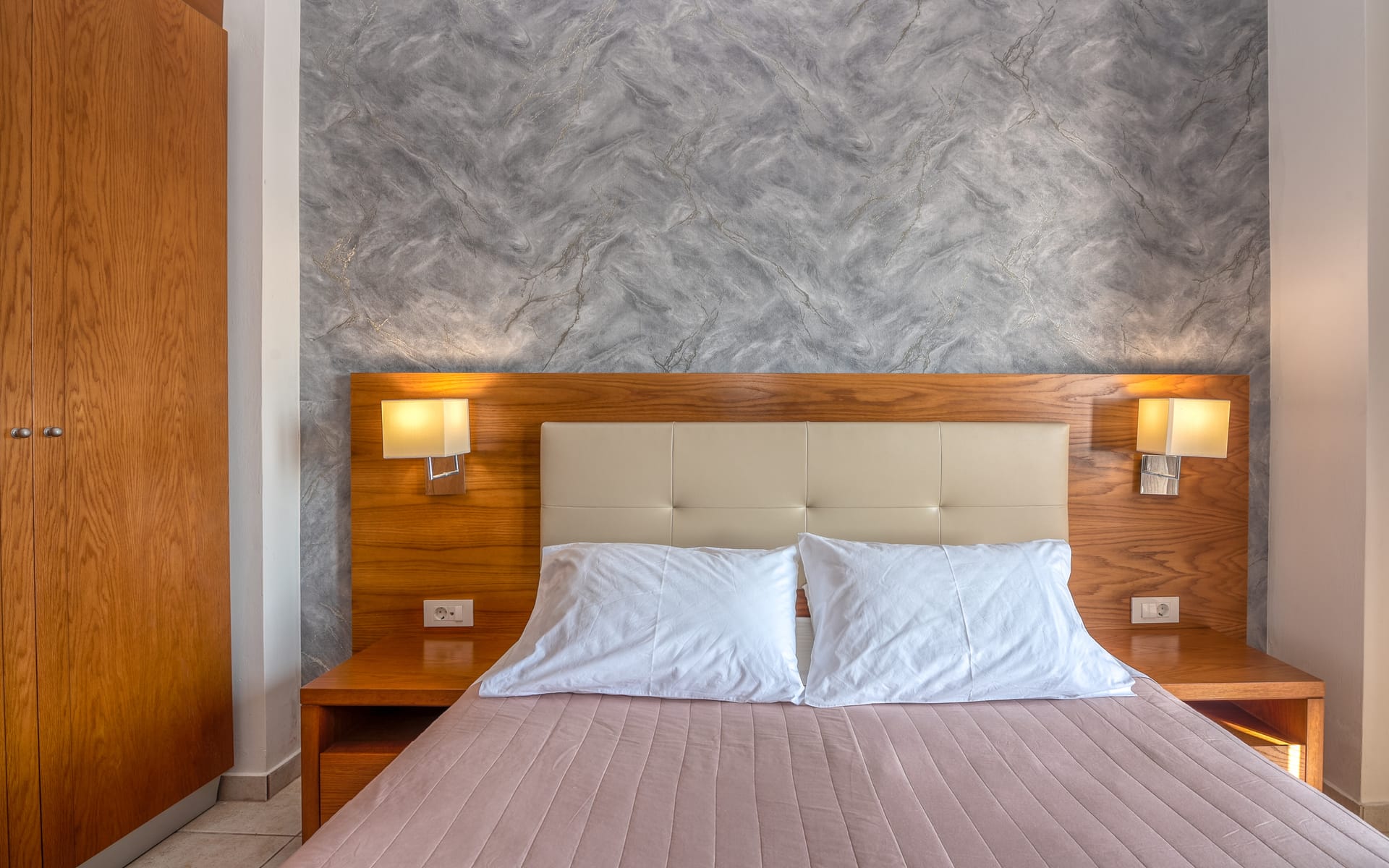
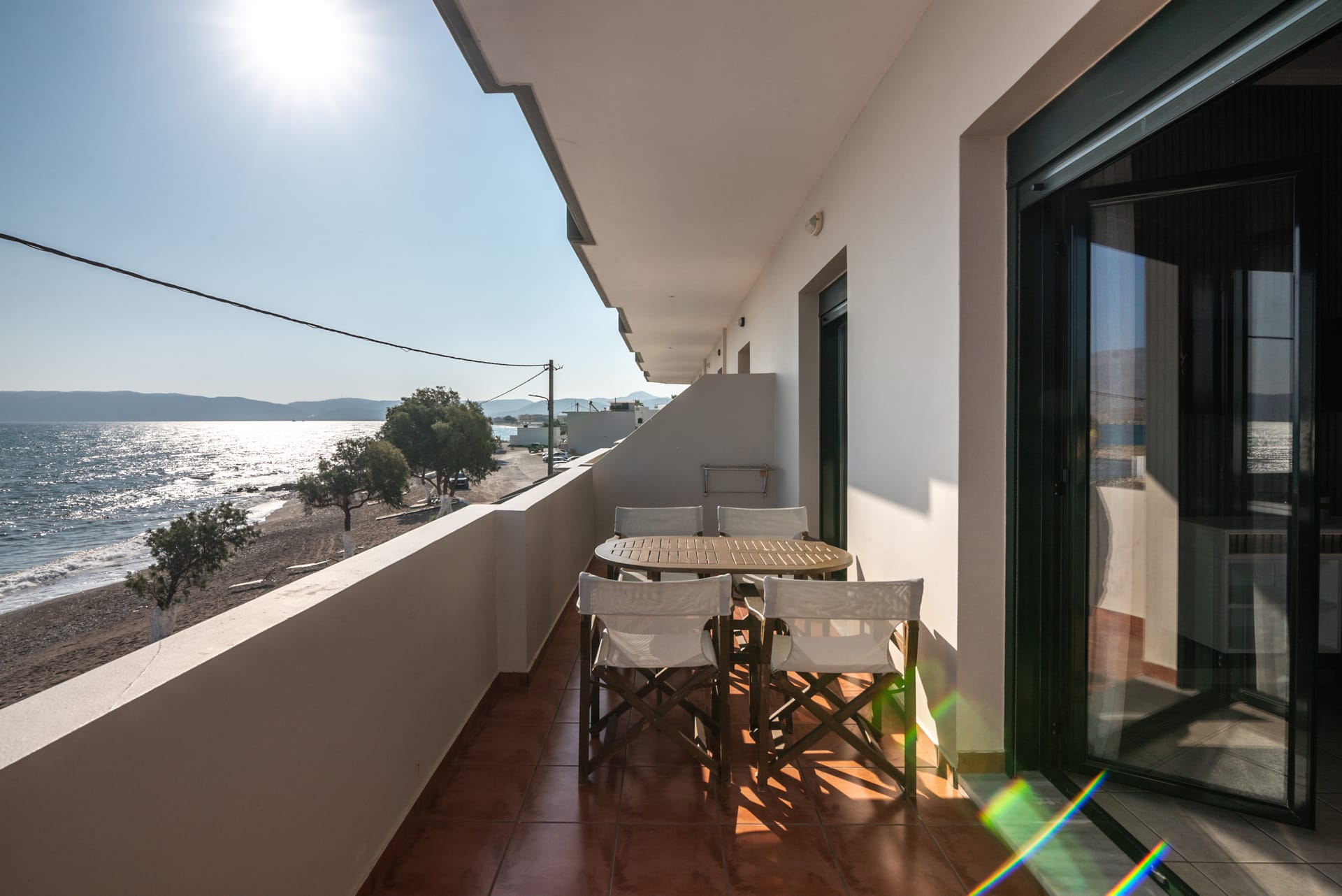
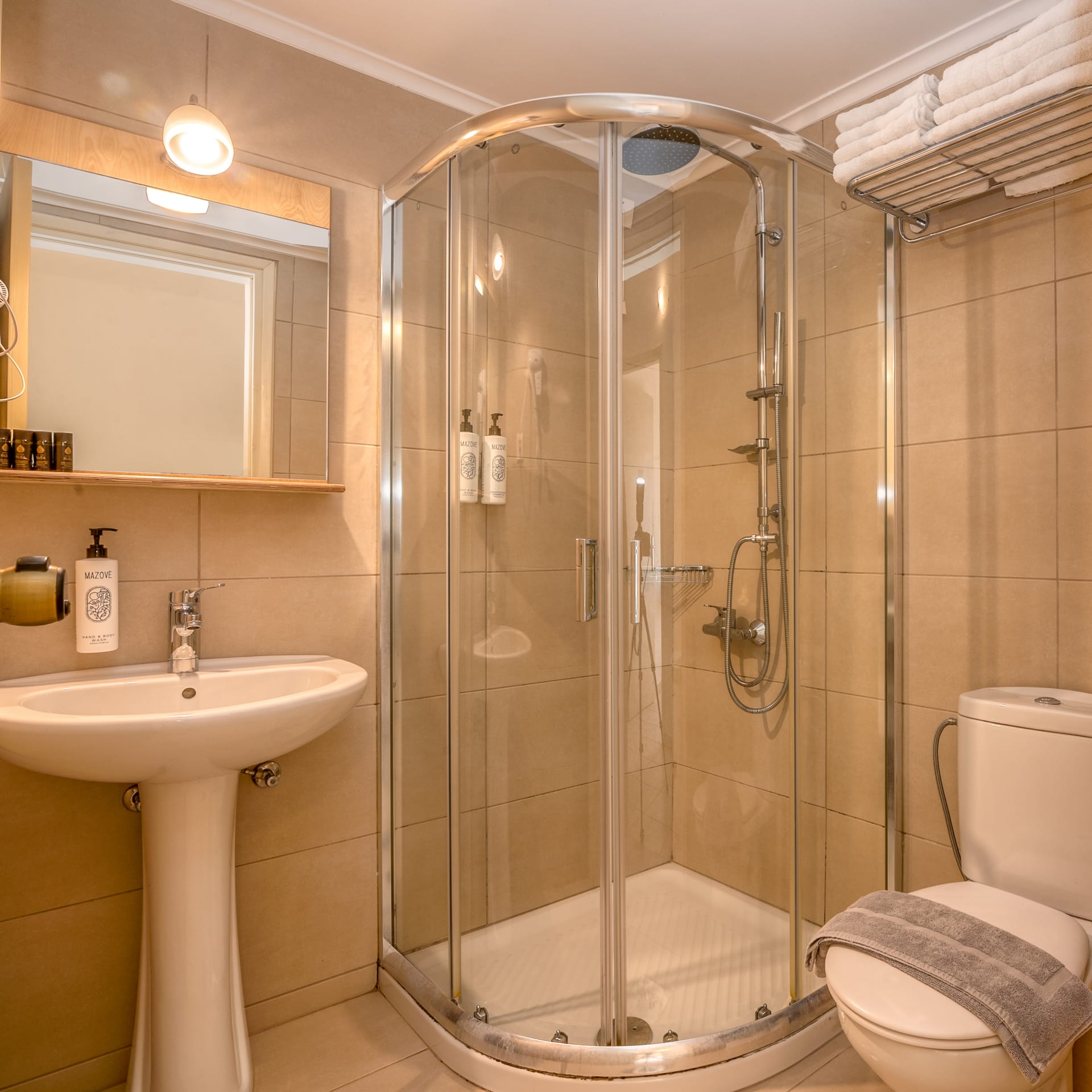
Family Two Bedroom Apartment Sea Front
4 adults
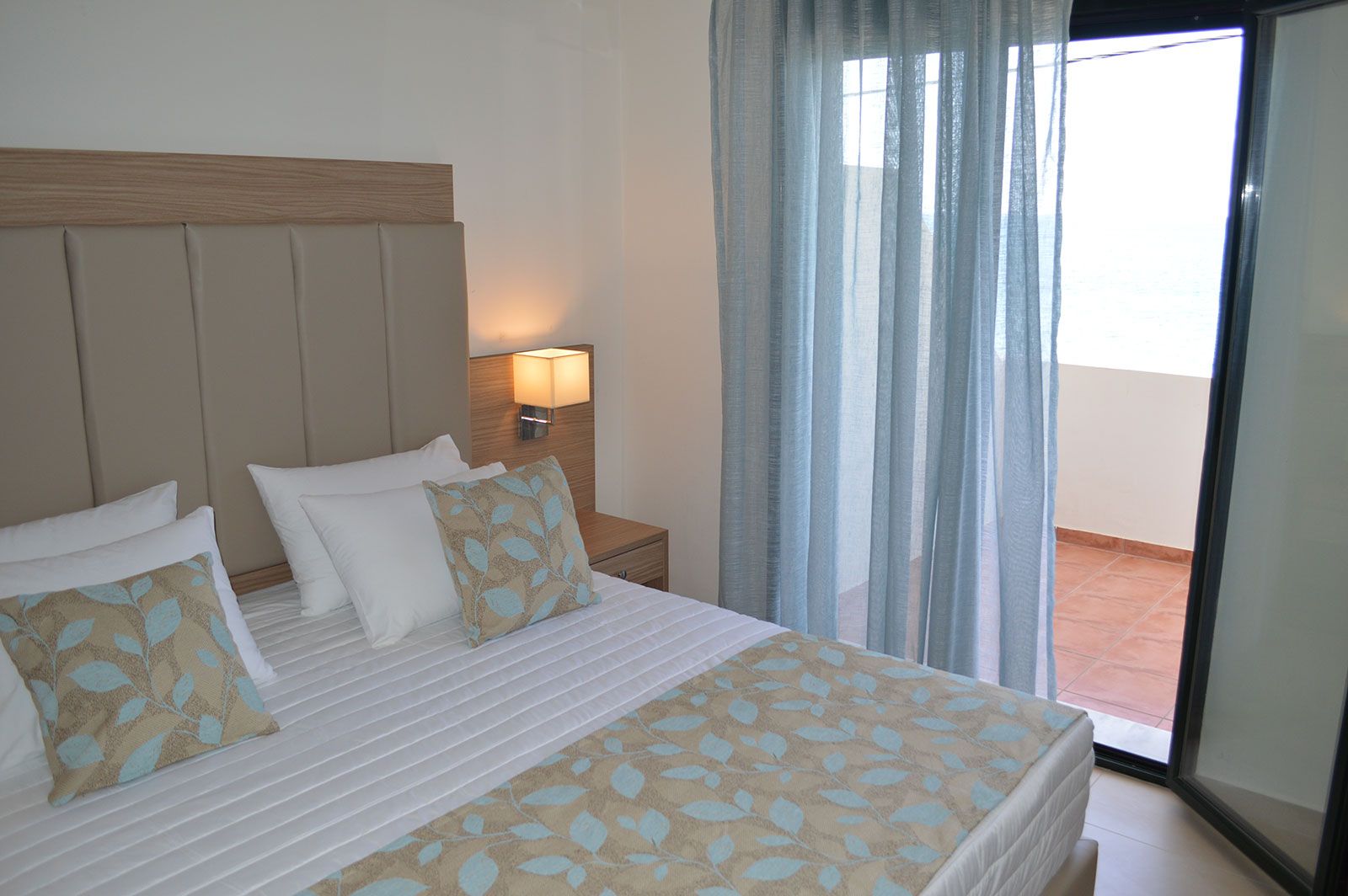
This apartment has a balcony, air conditioning and dining area.
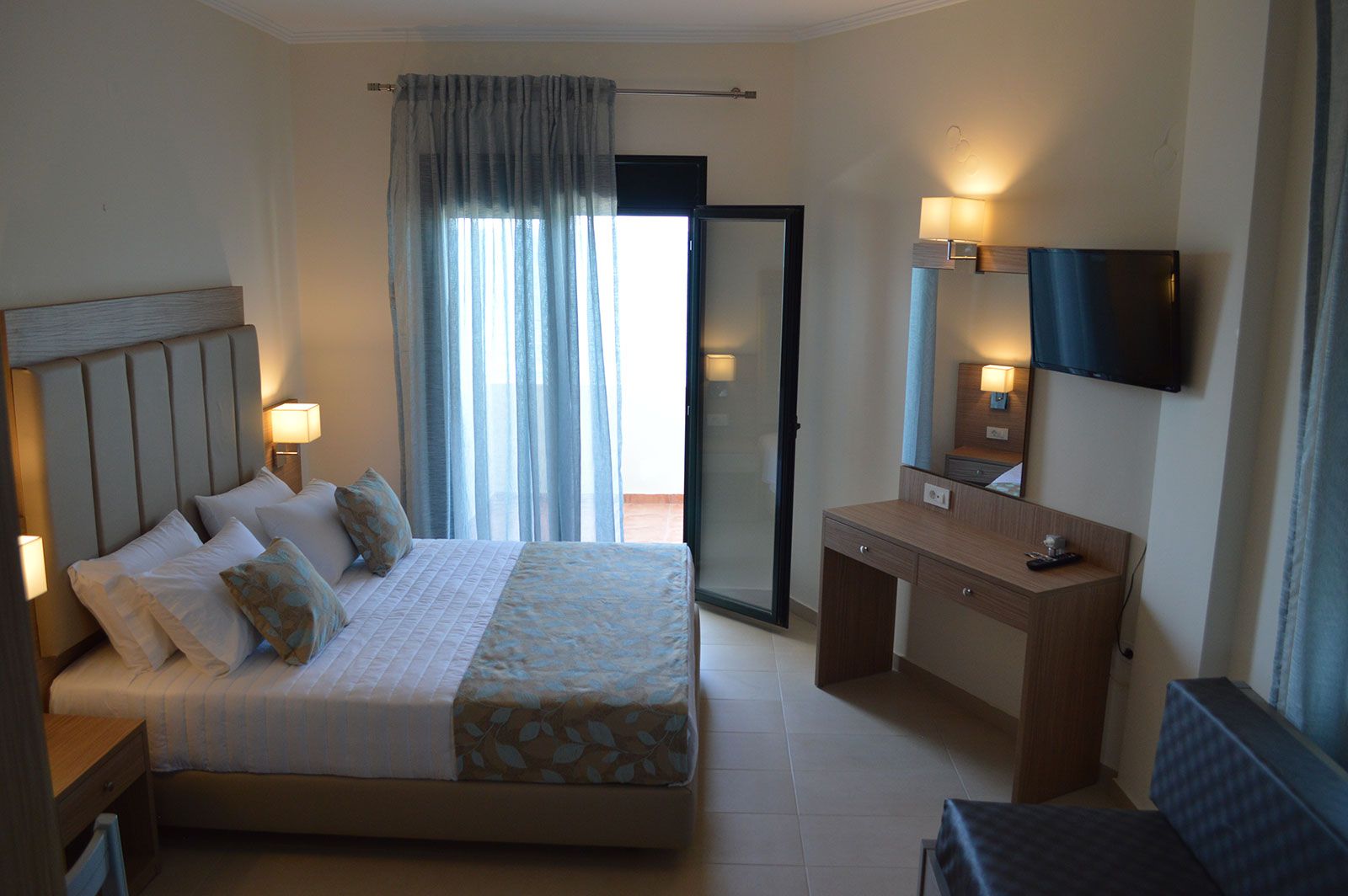
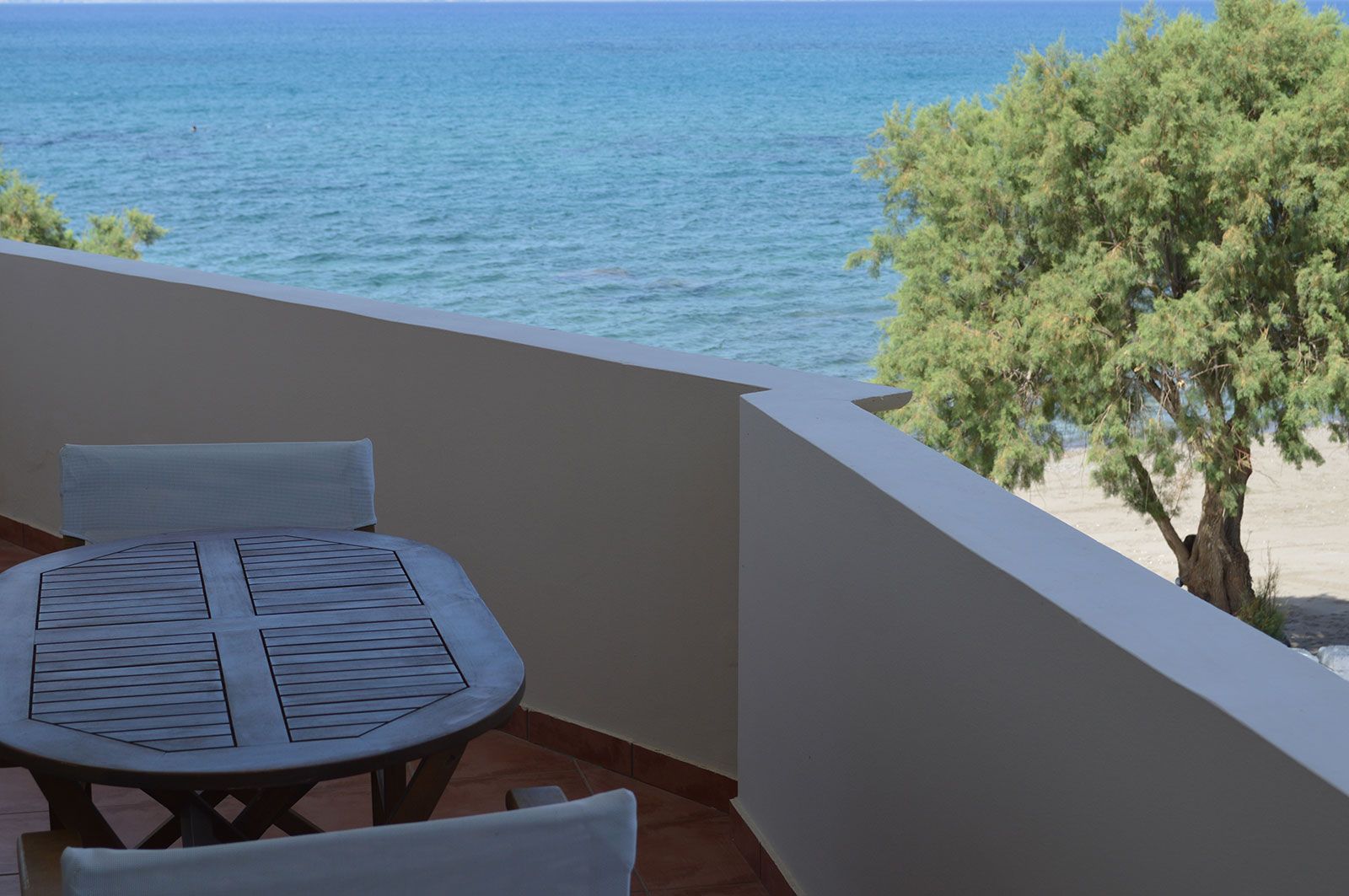
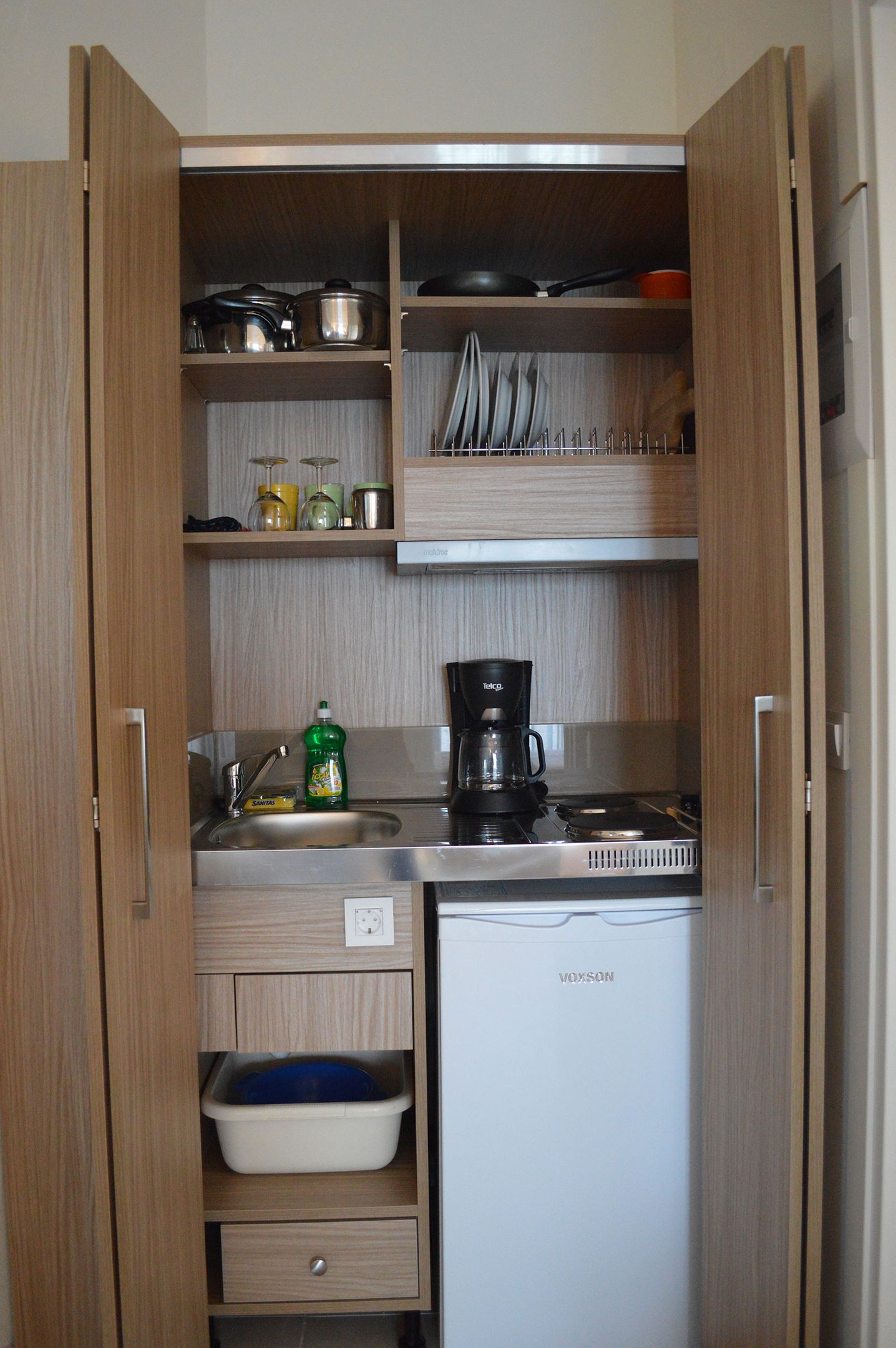
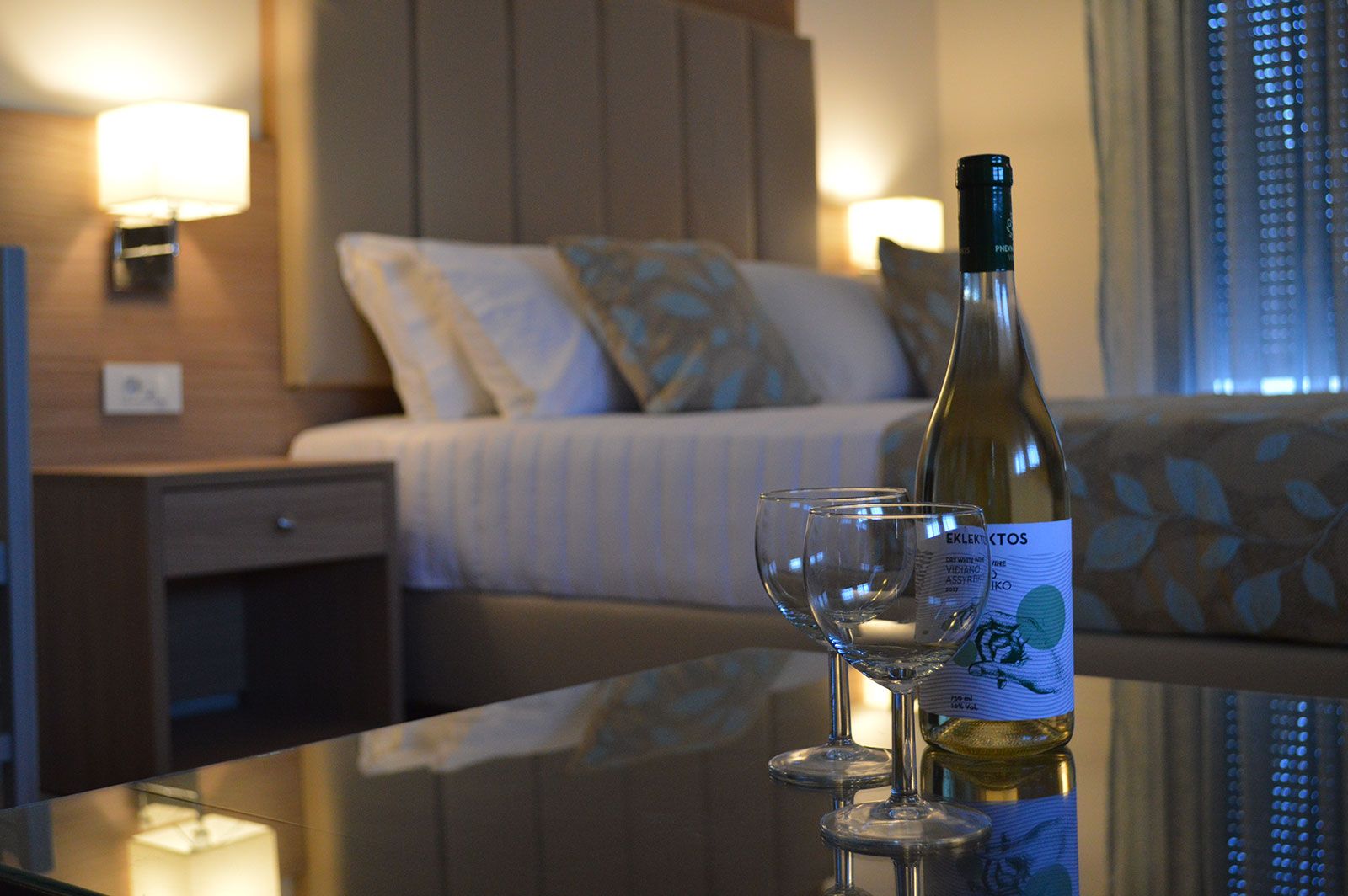
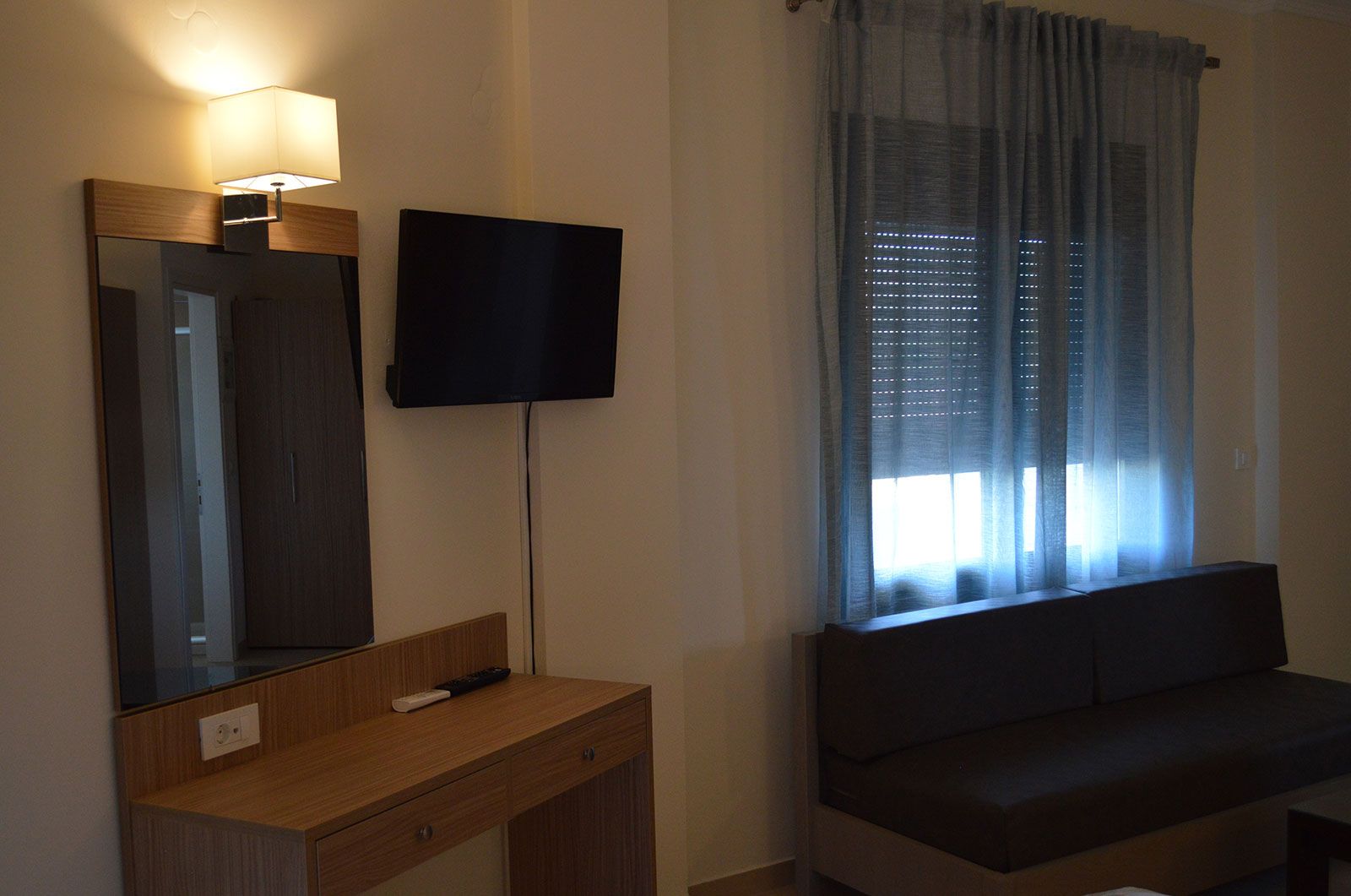
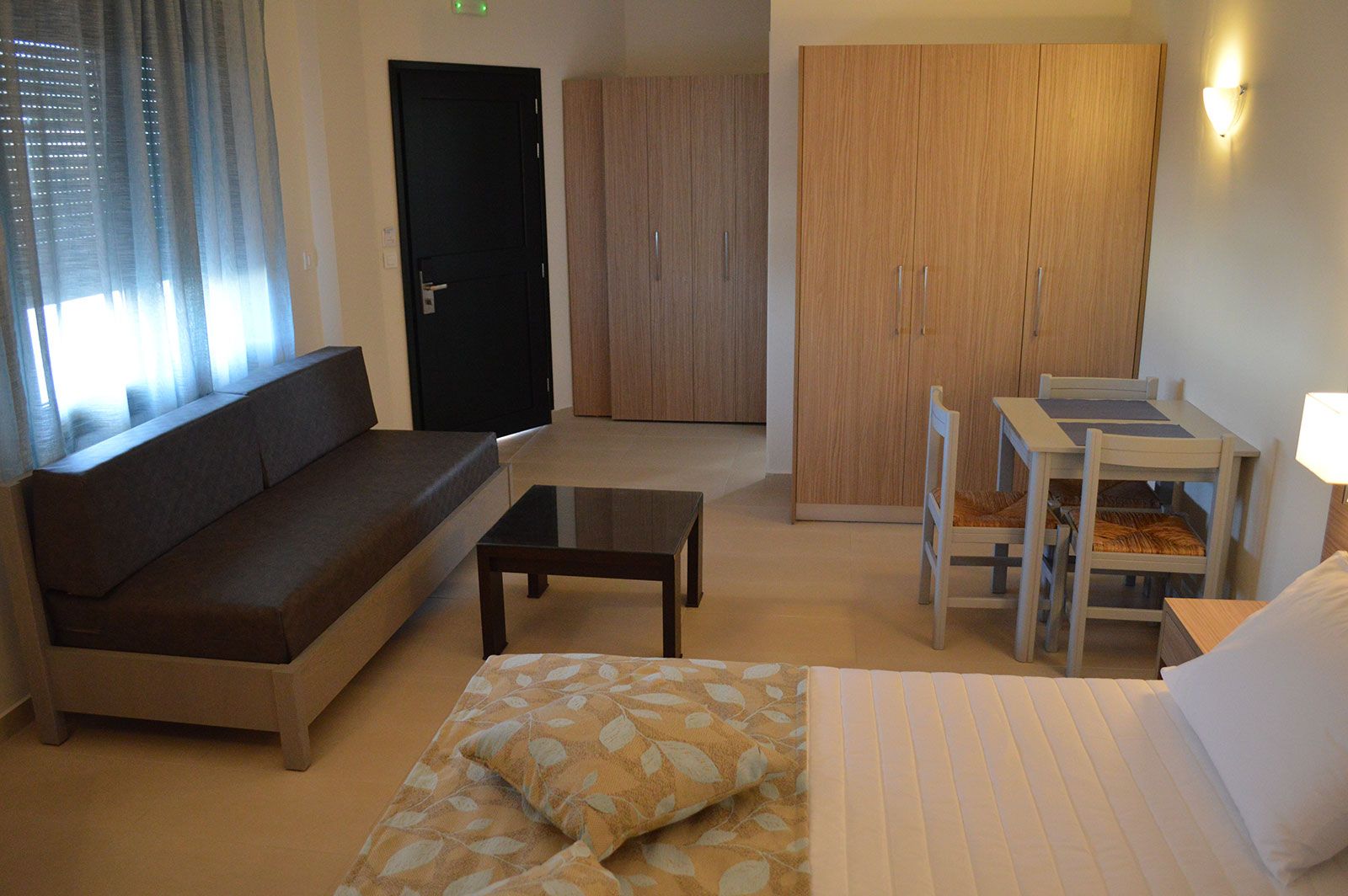
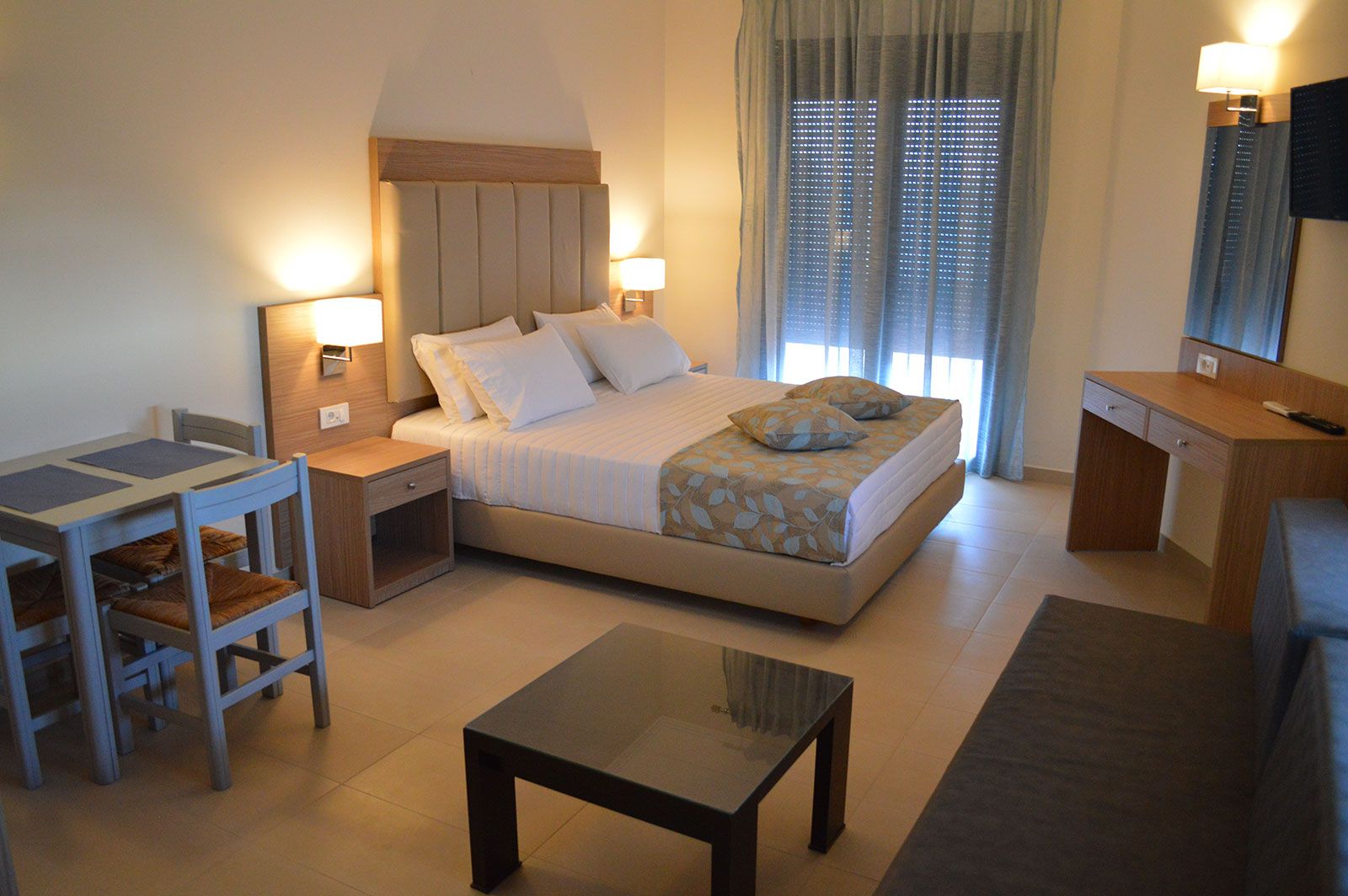
Sea Front Junior Suite
2 adults
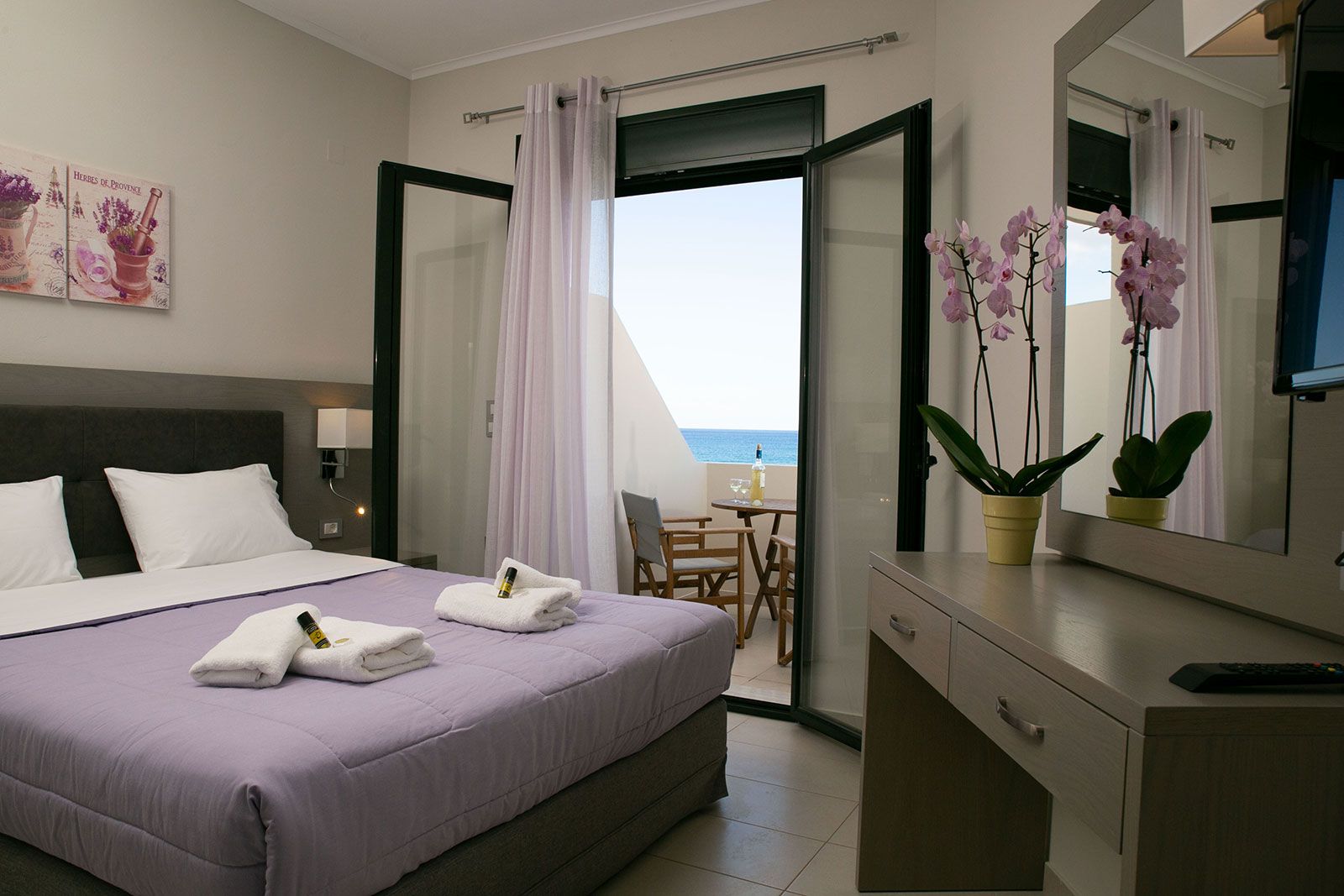
This suite has a balcony, kitchenware and stovetop.
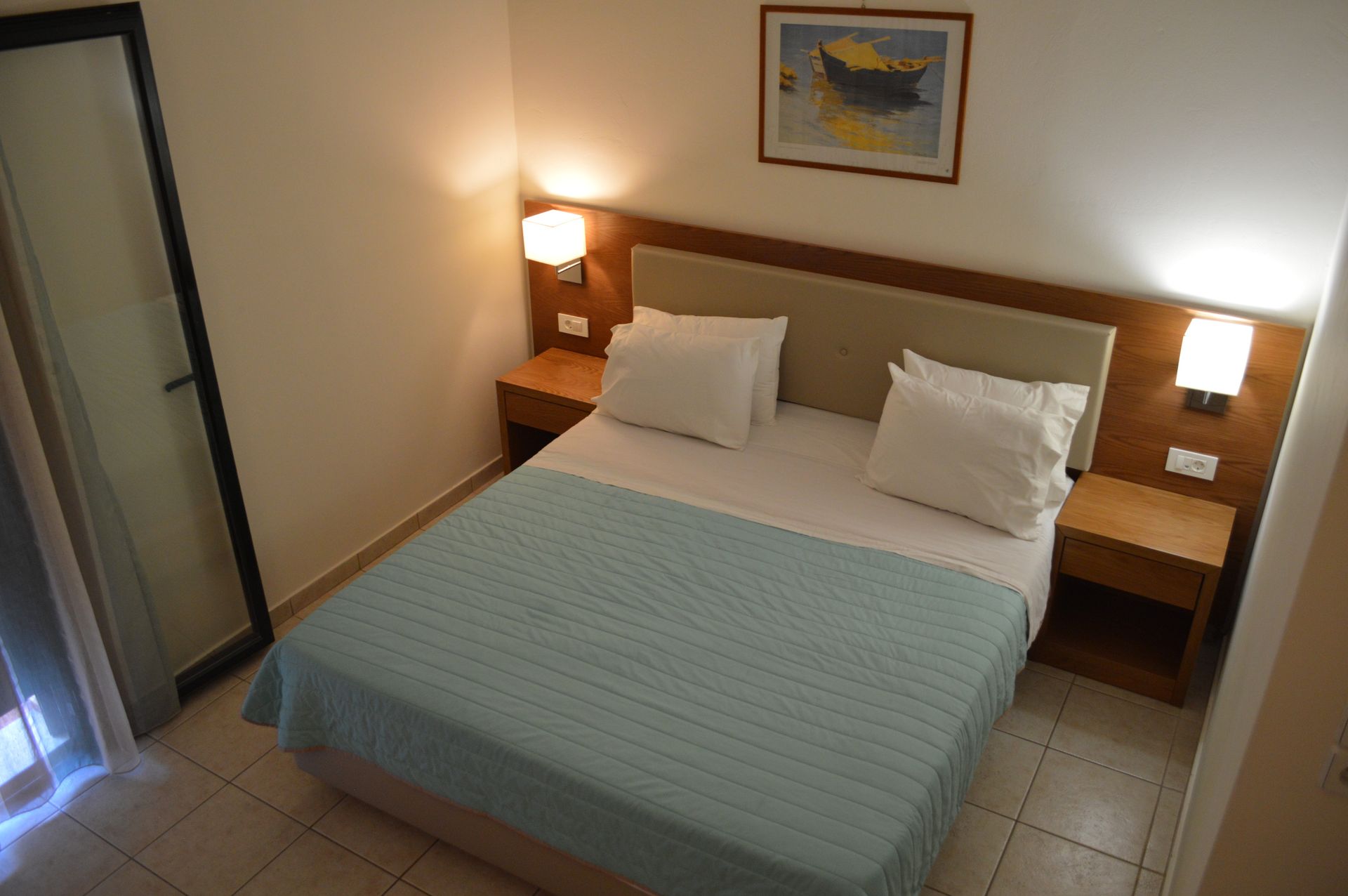
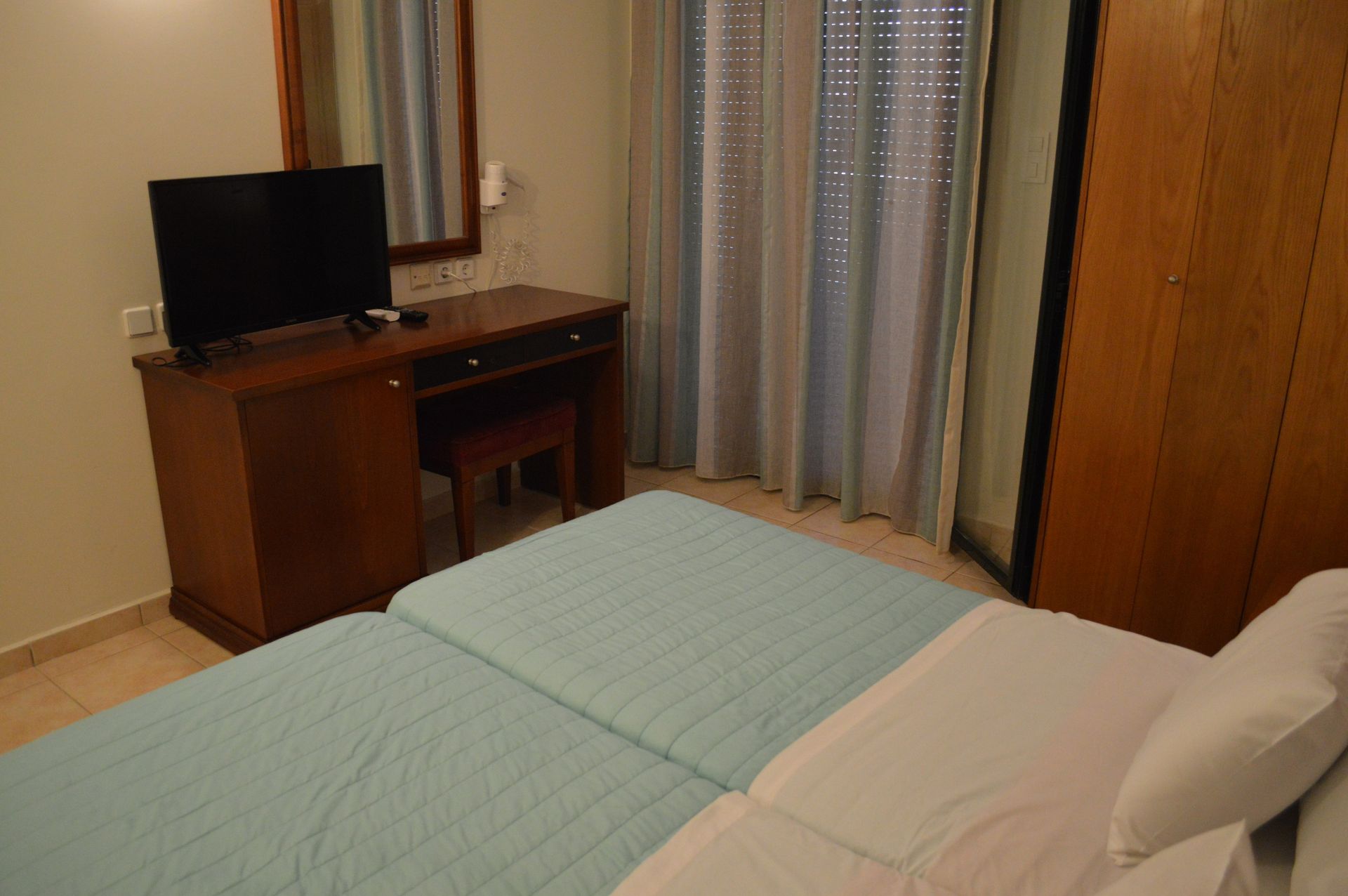
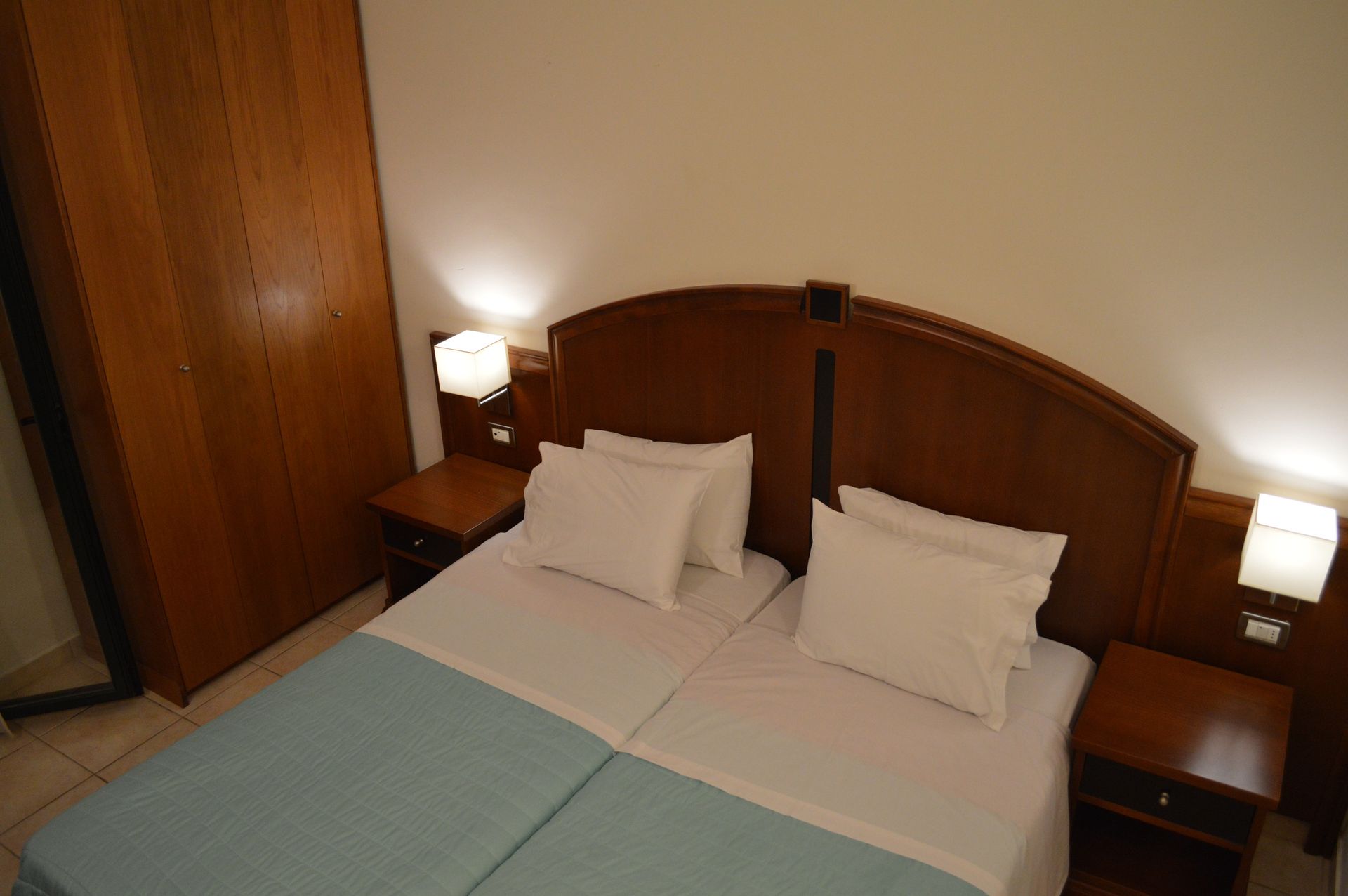
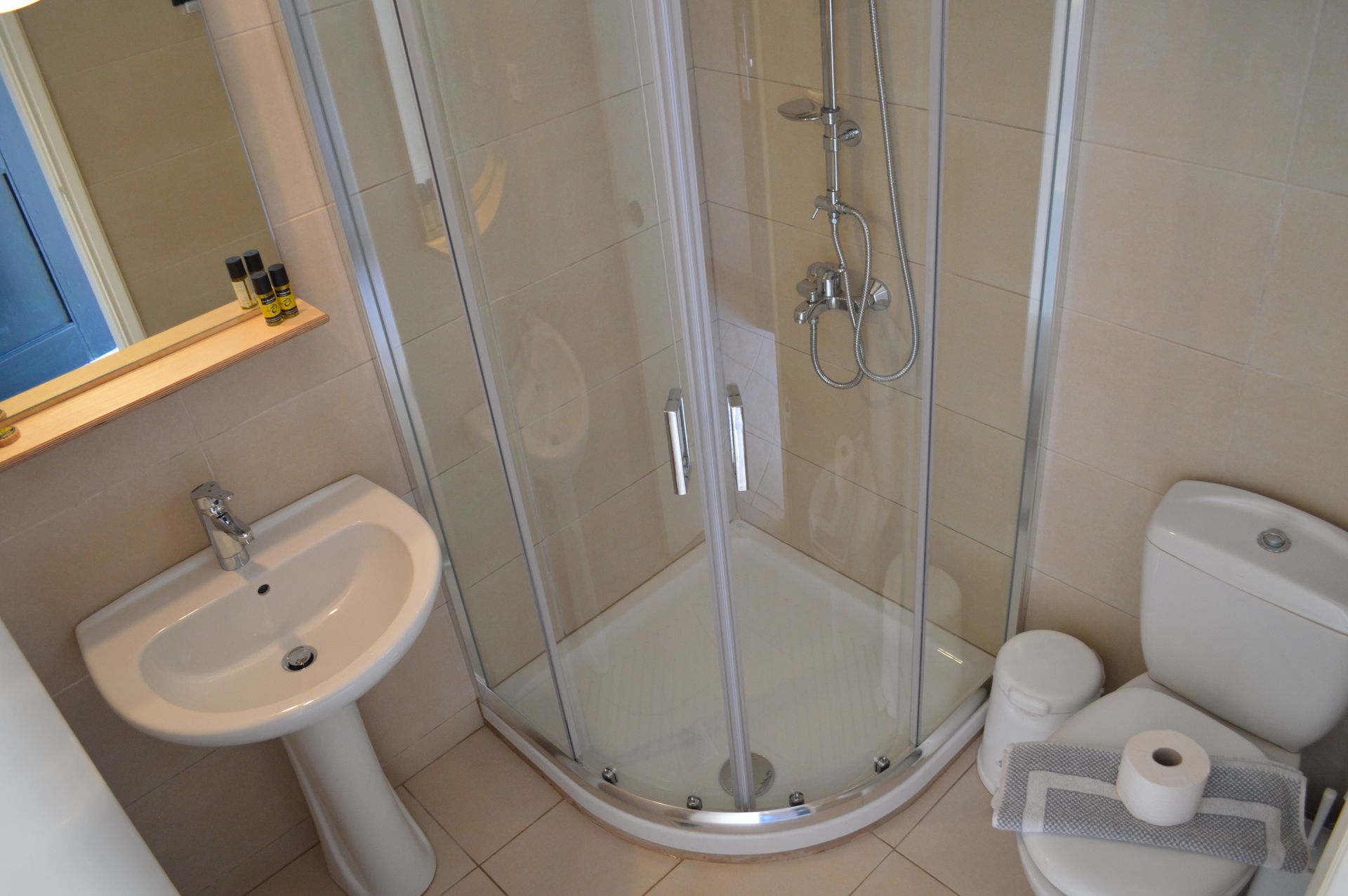
One bedroom Apartment
4 adults
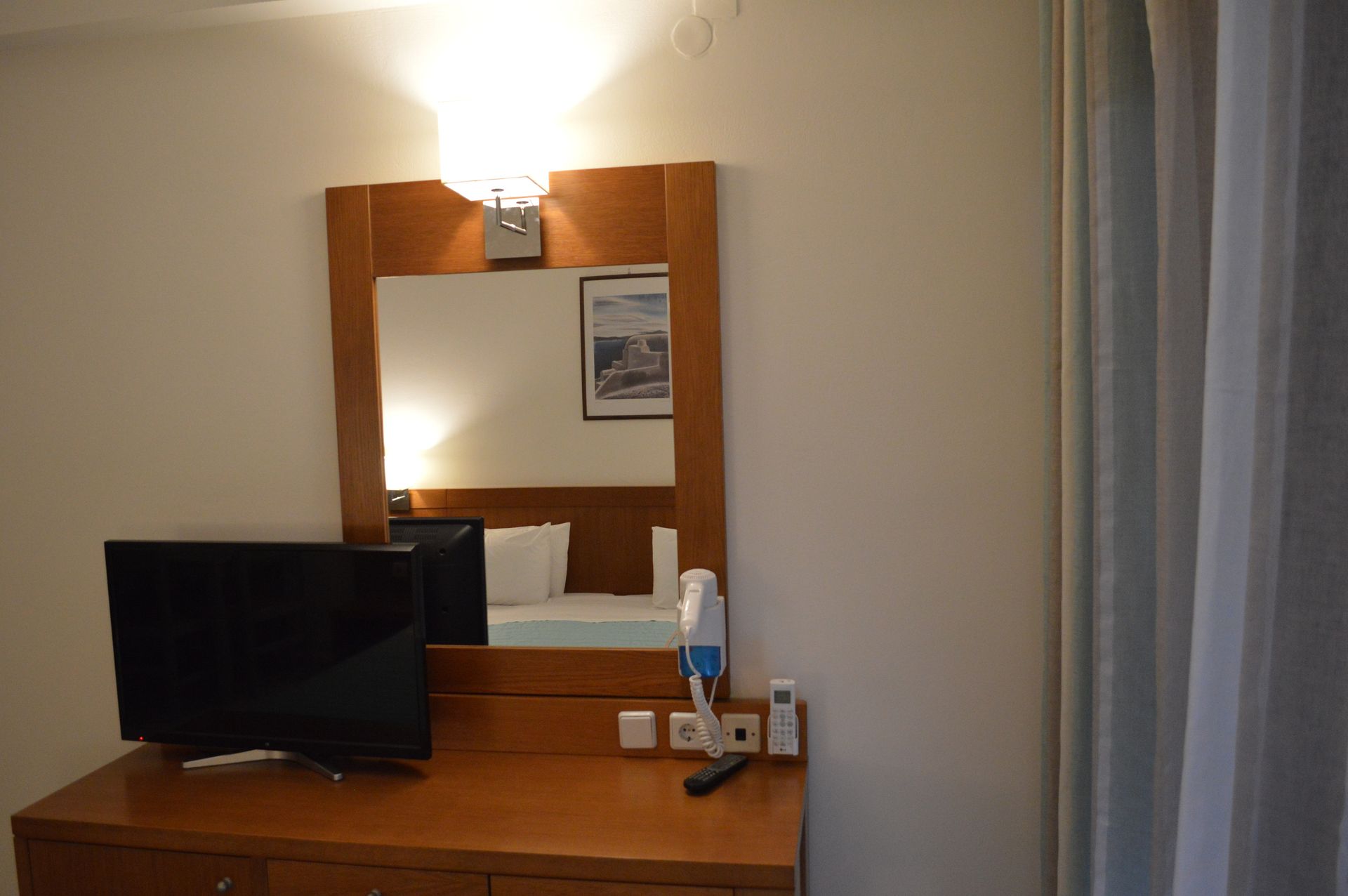
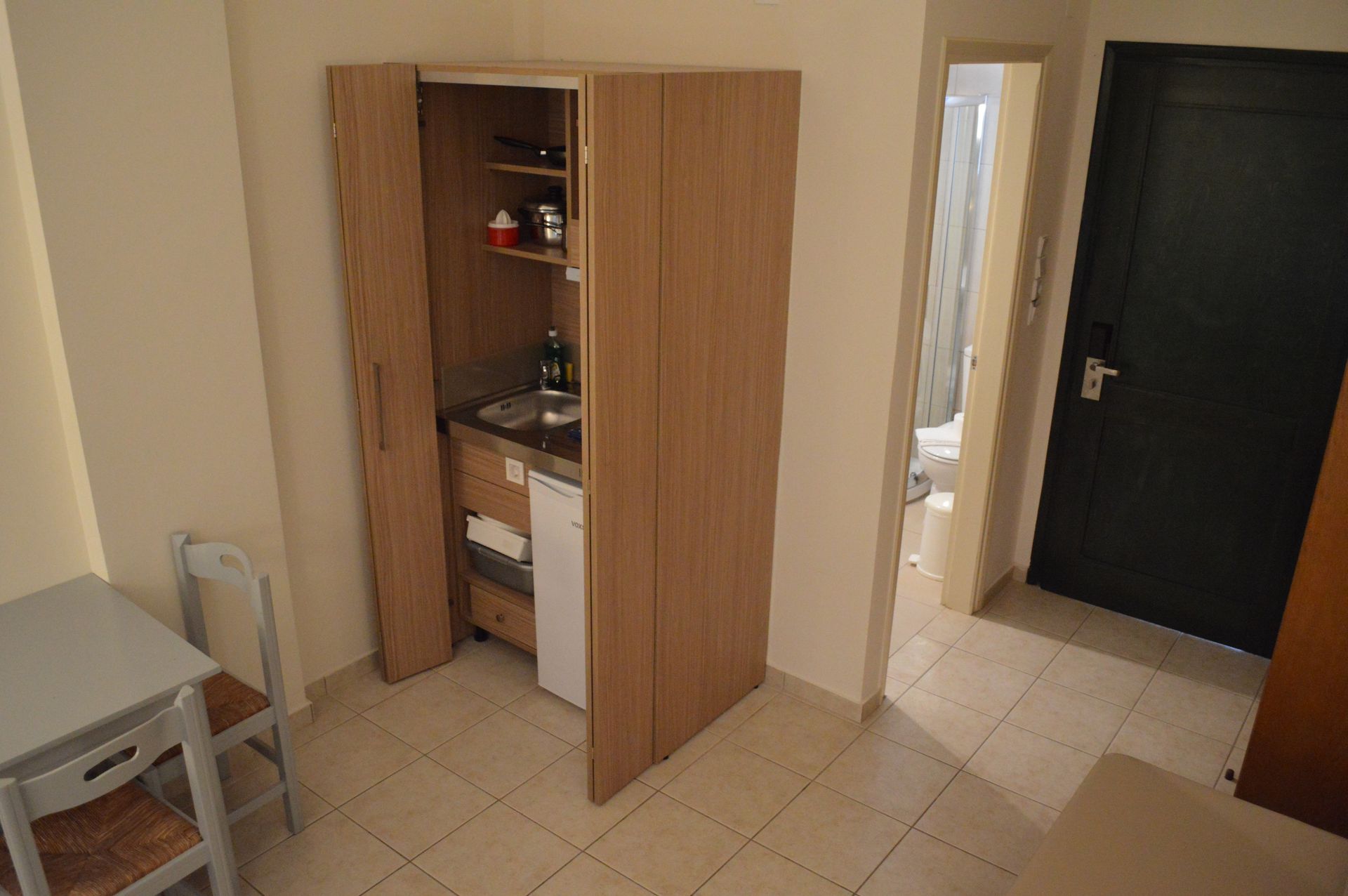
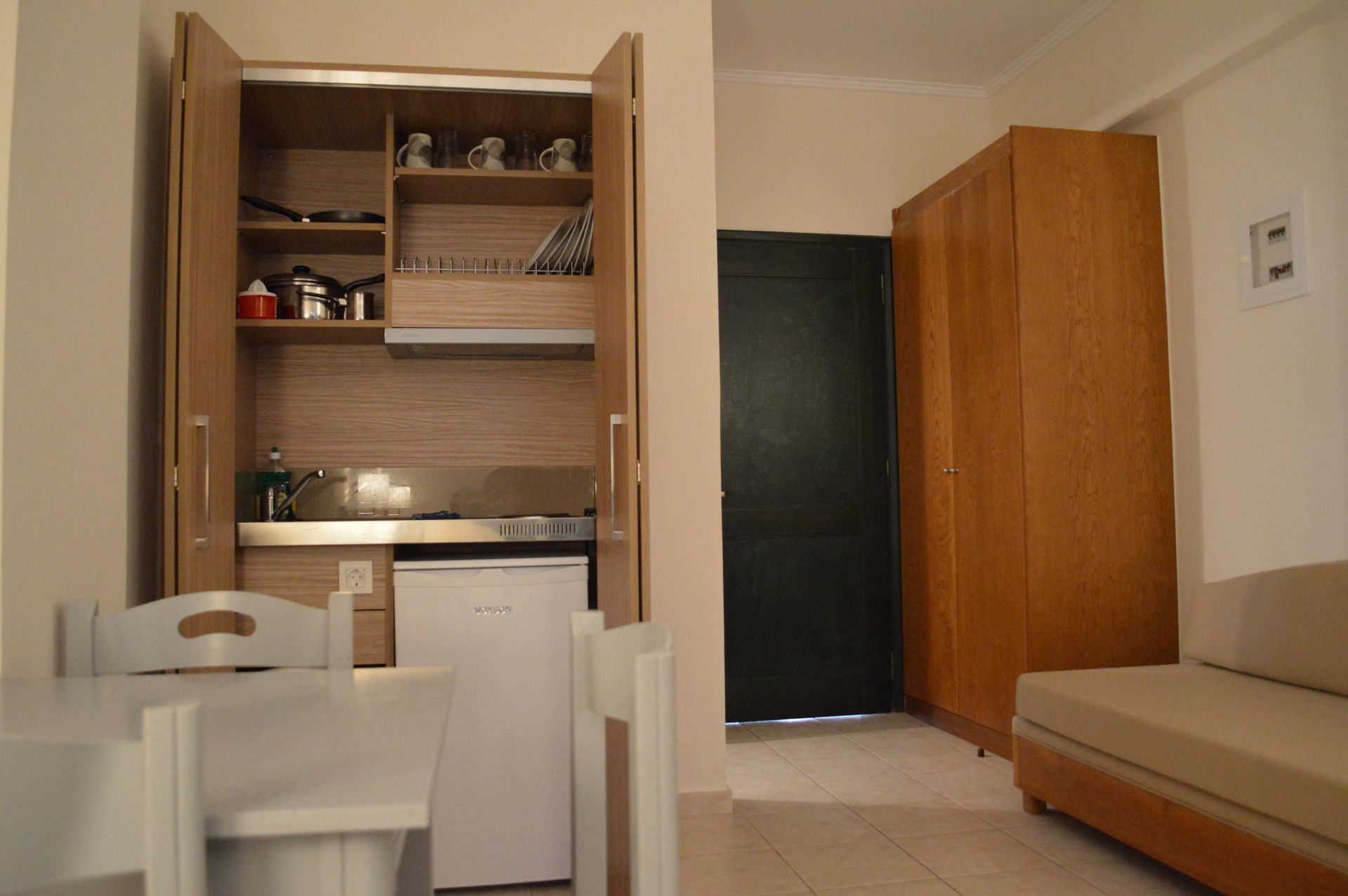
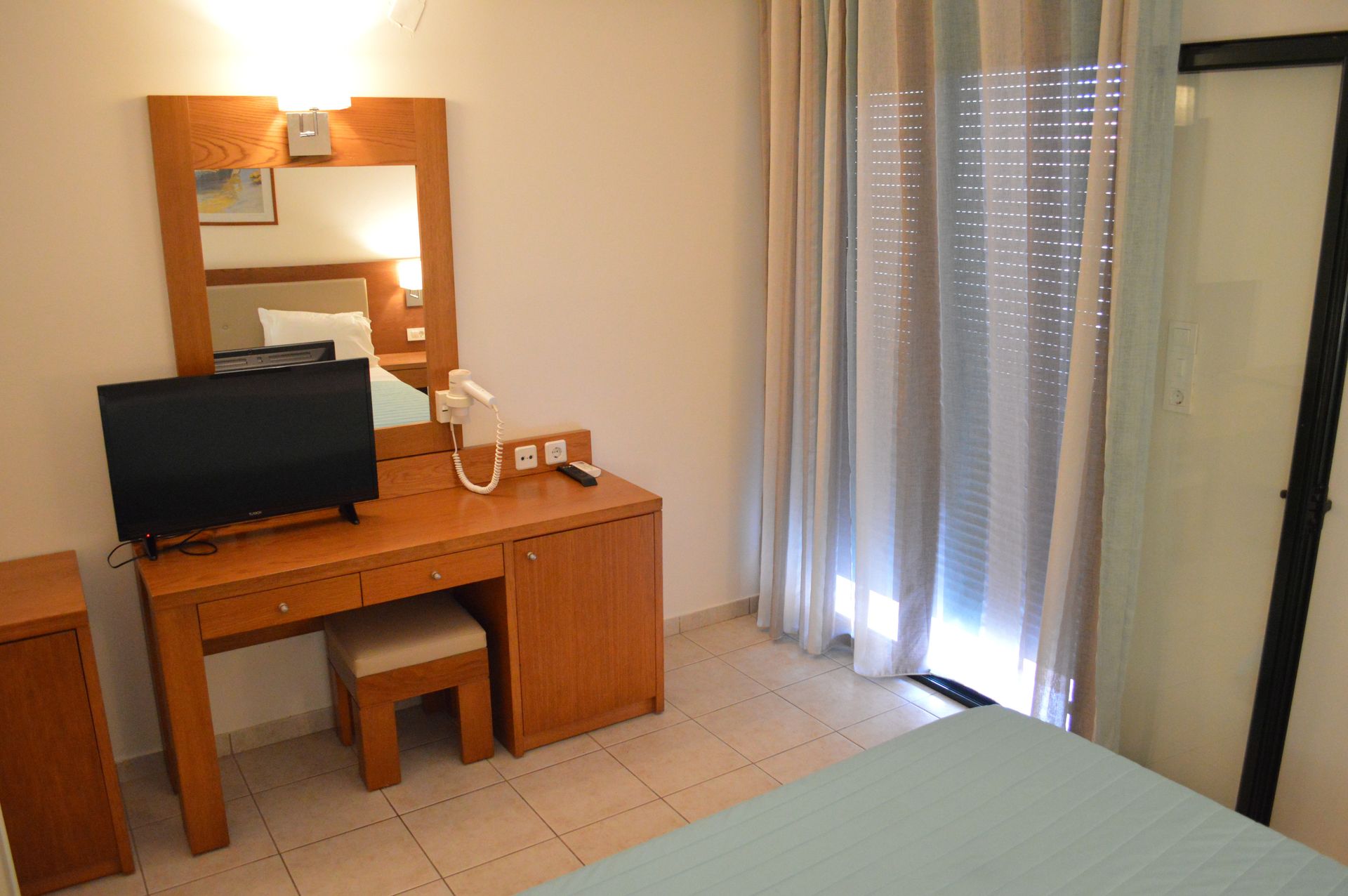
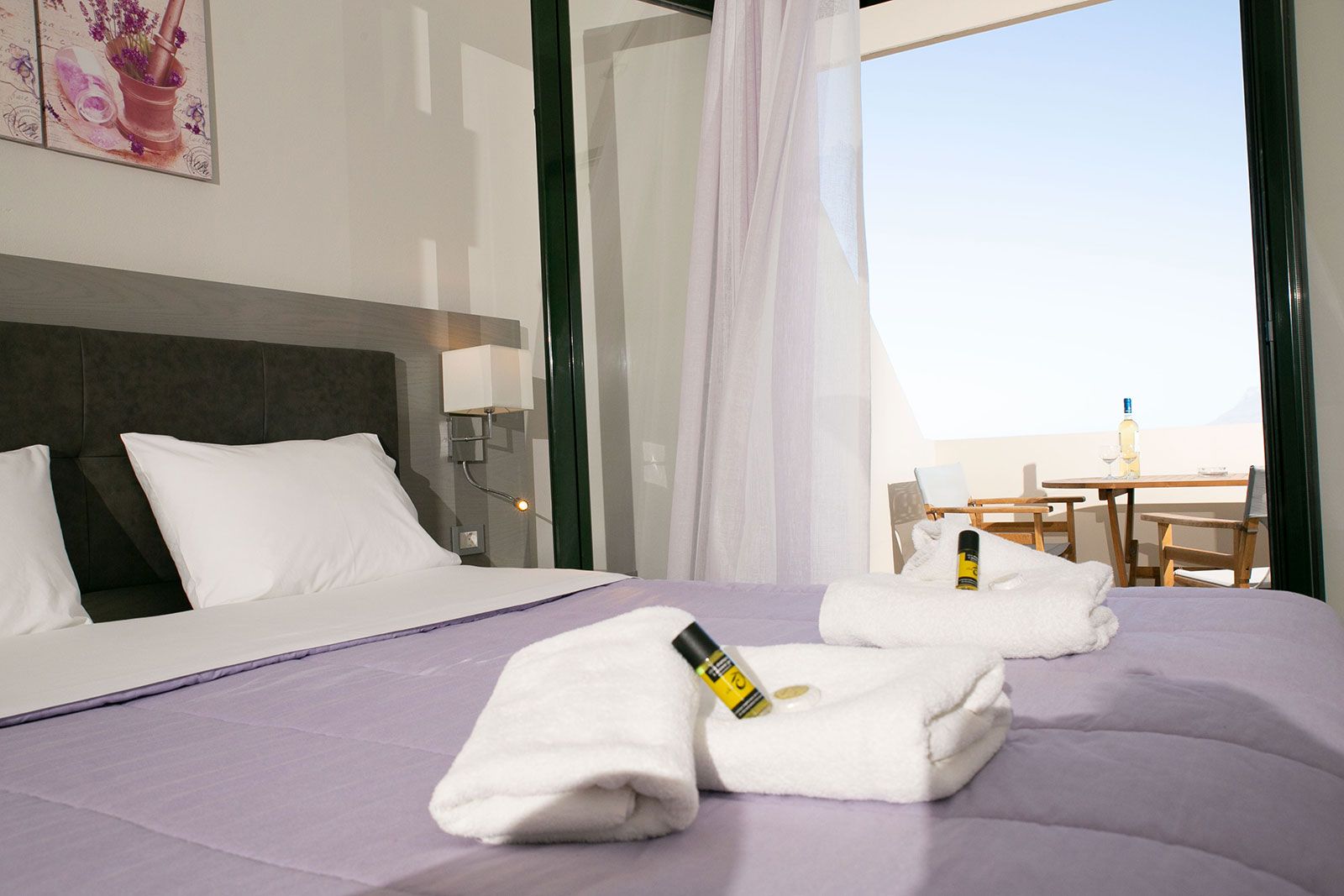
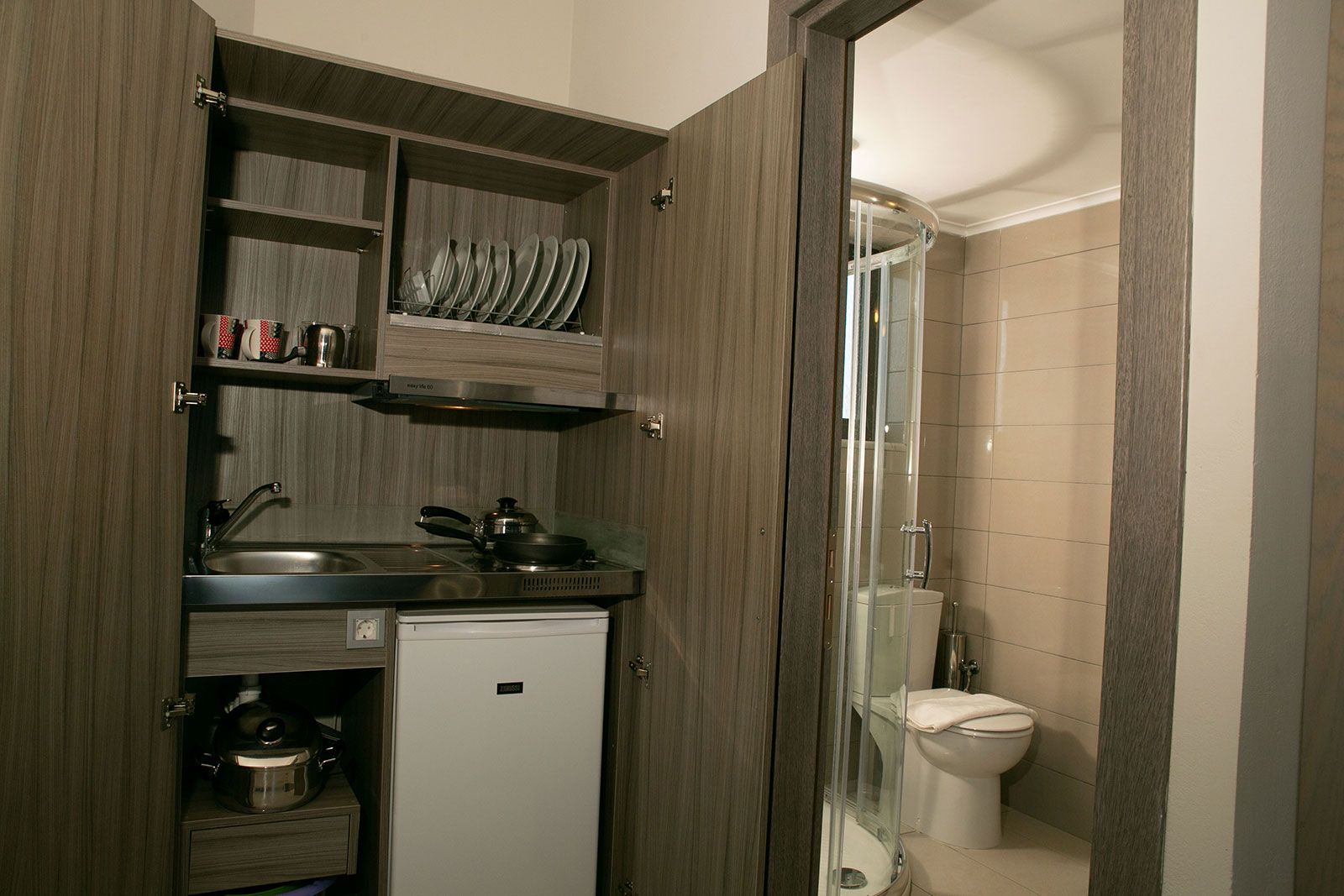
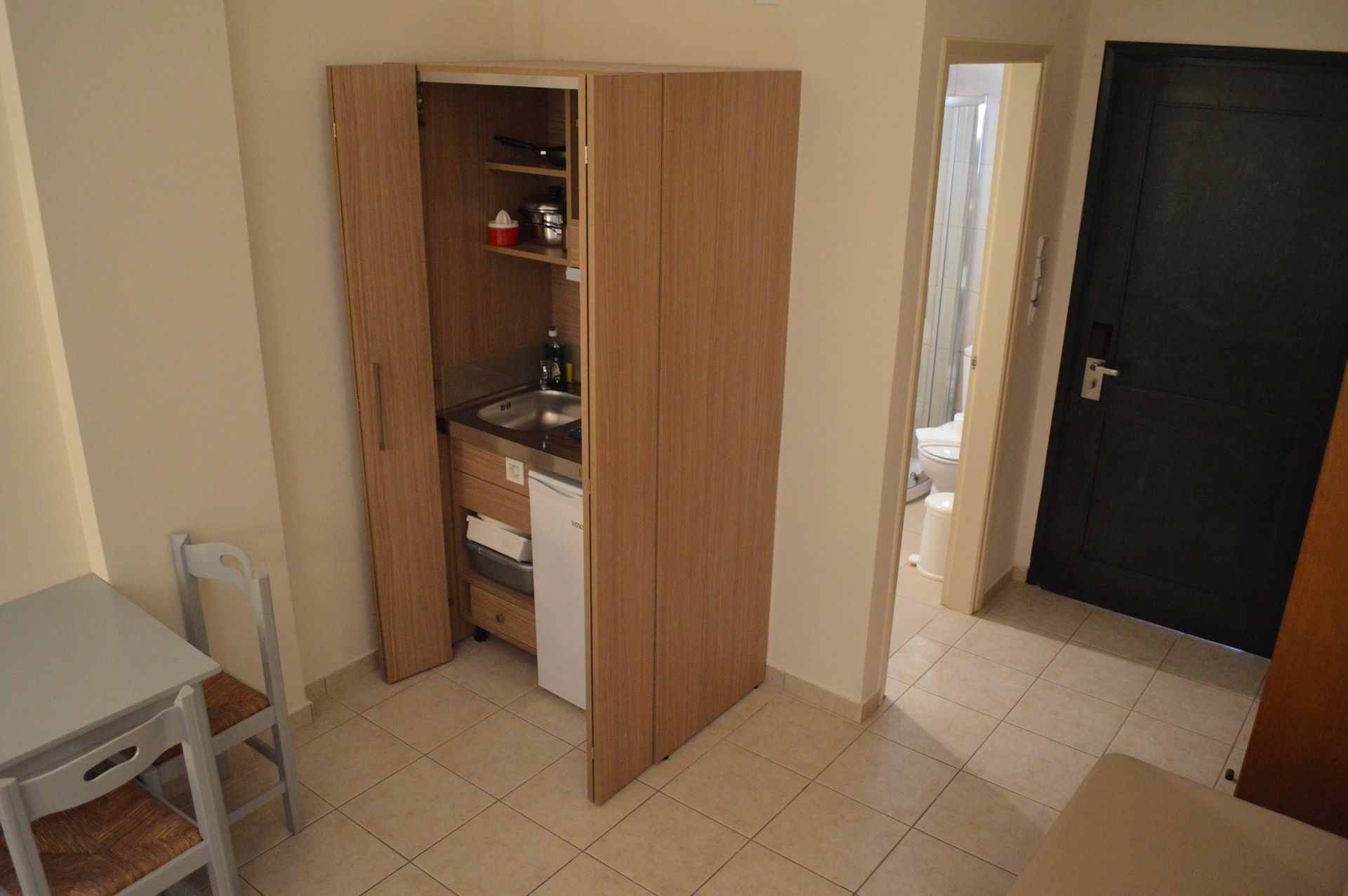
The spacious apartment features air conditioning, satellite TV and a safety deposit box. Including a dining area and a fully equipped kitchenette, it opens up to a furnished balcony with view.
Sea Front Studio
3 adults
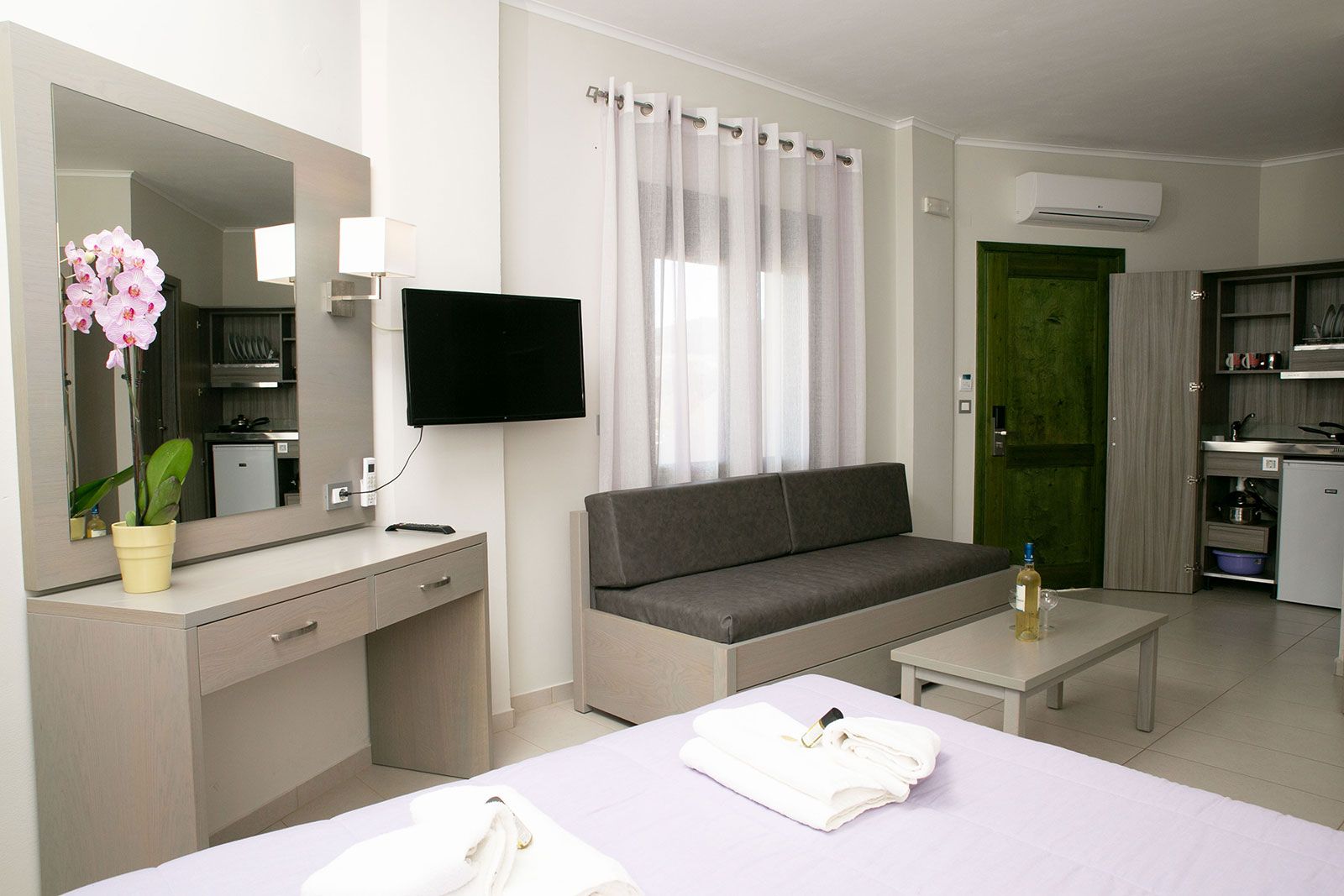
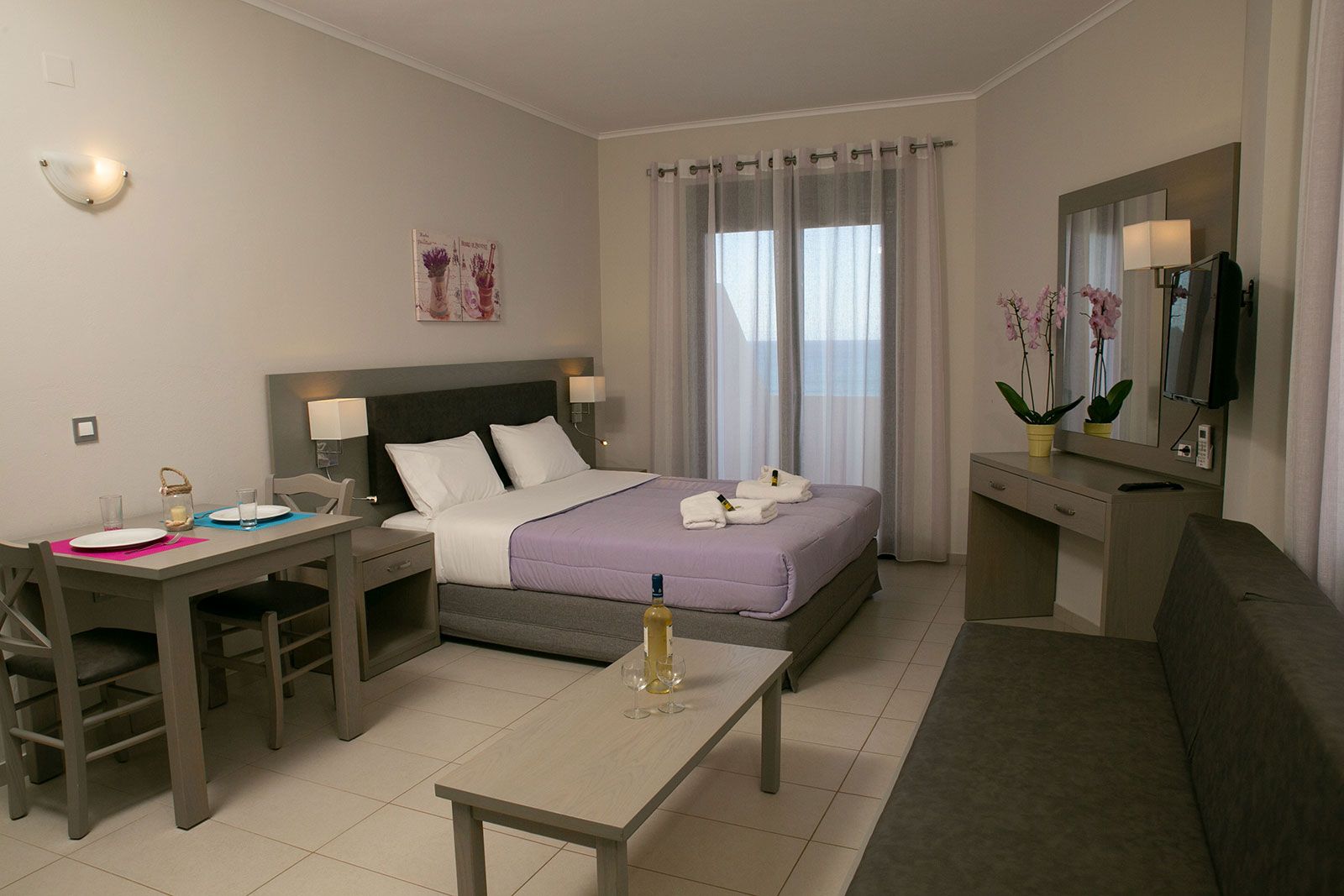
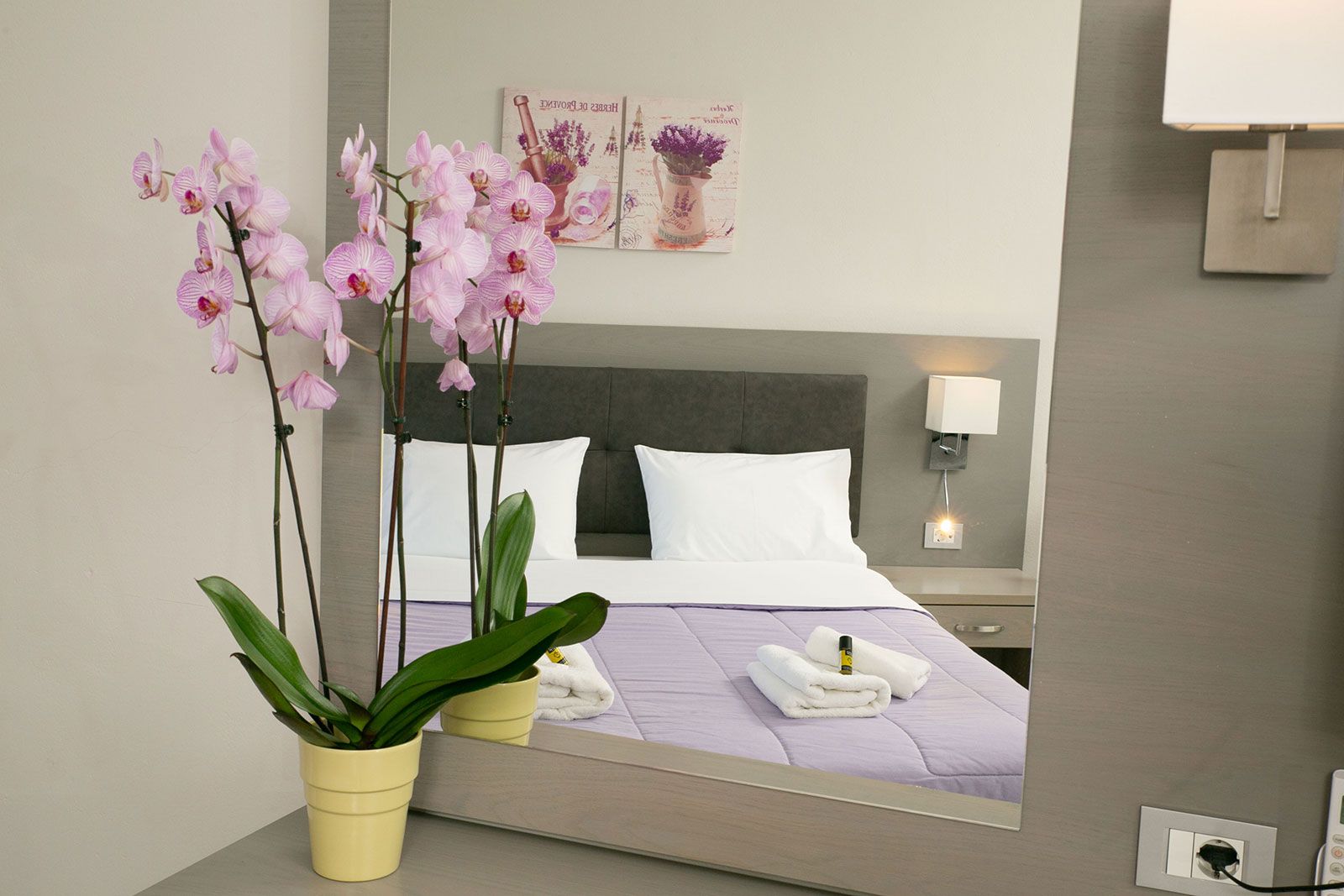
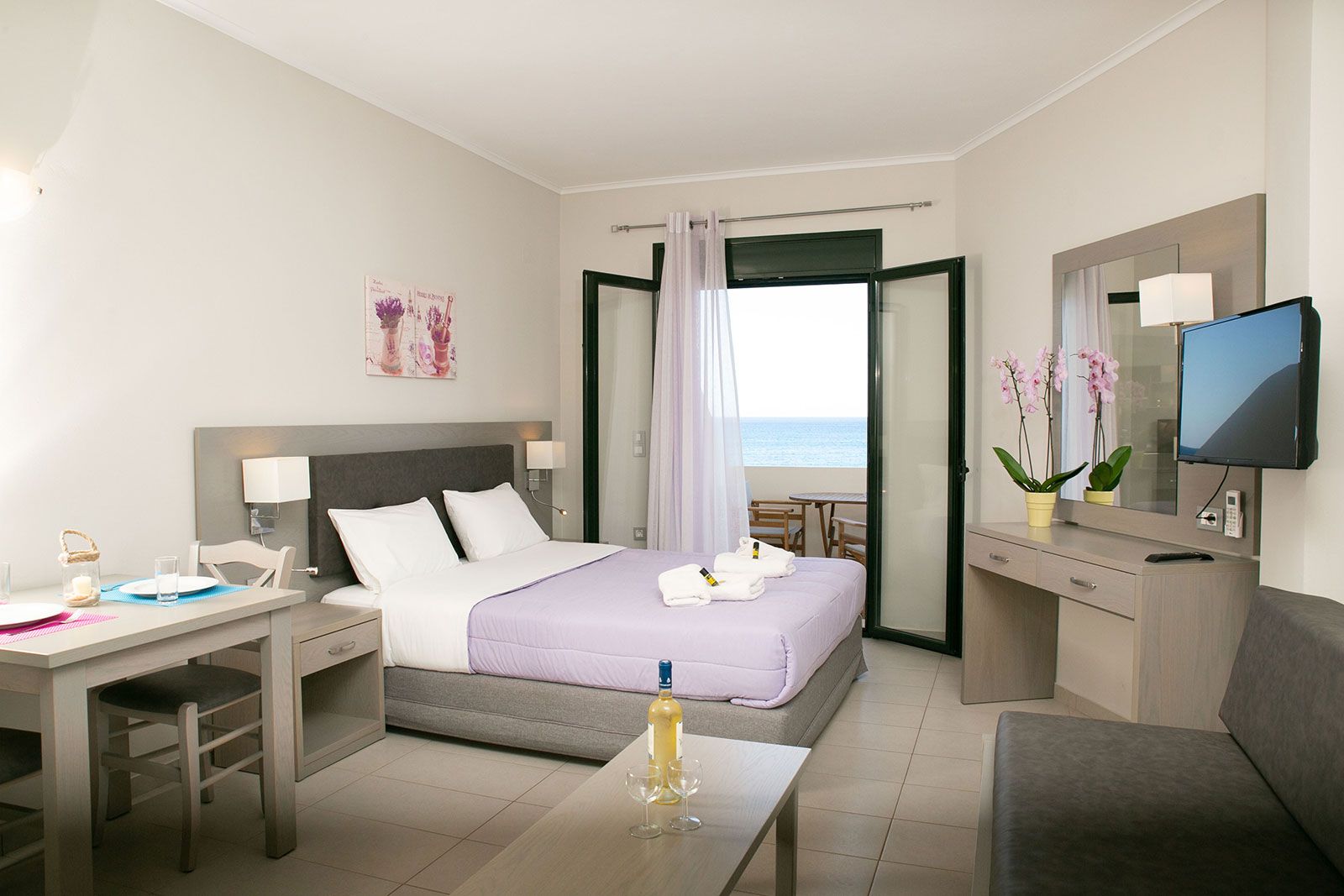
This studio features a balcony, sofa and kitchenette.
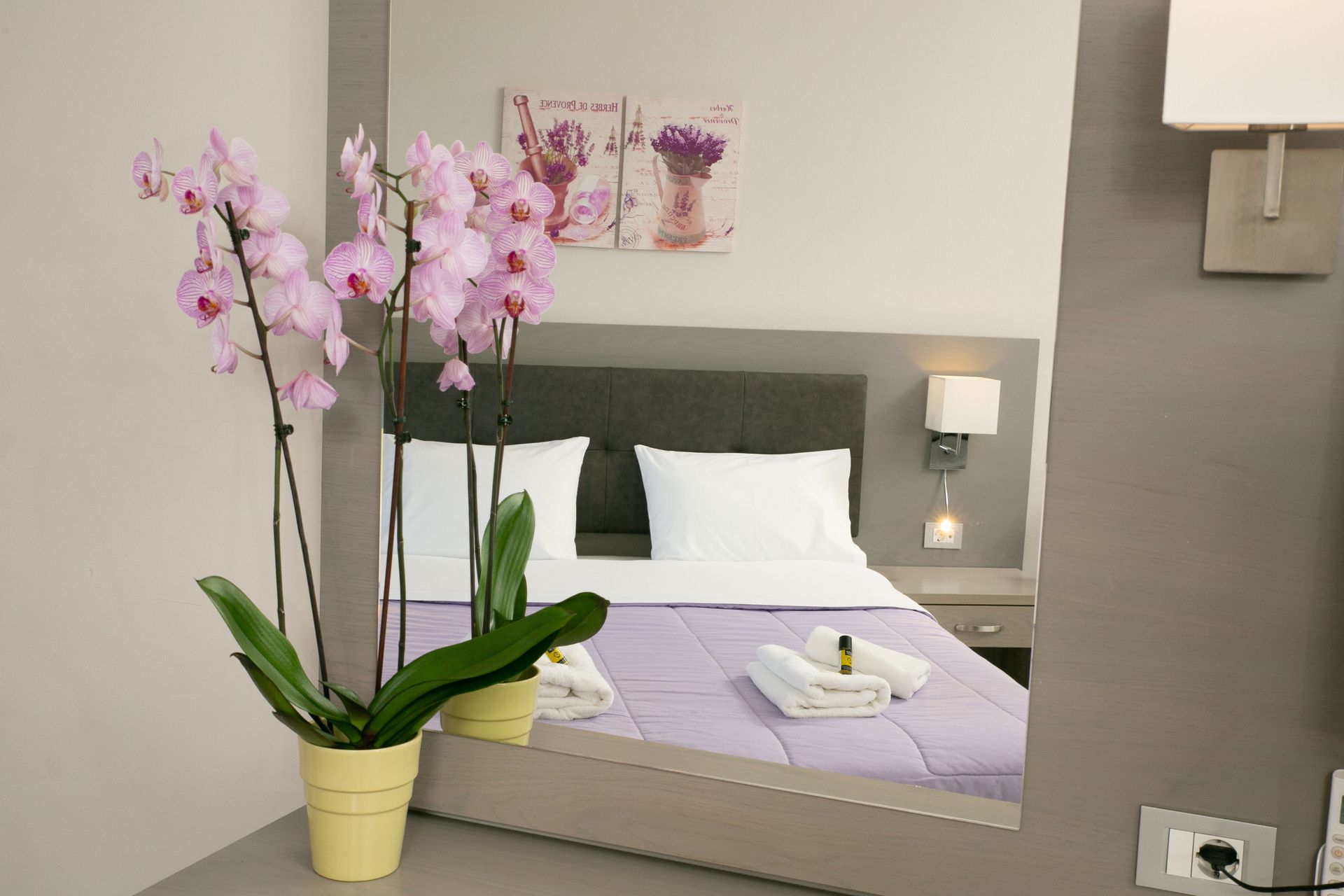
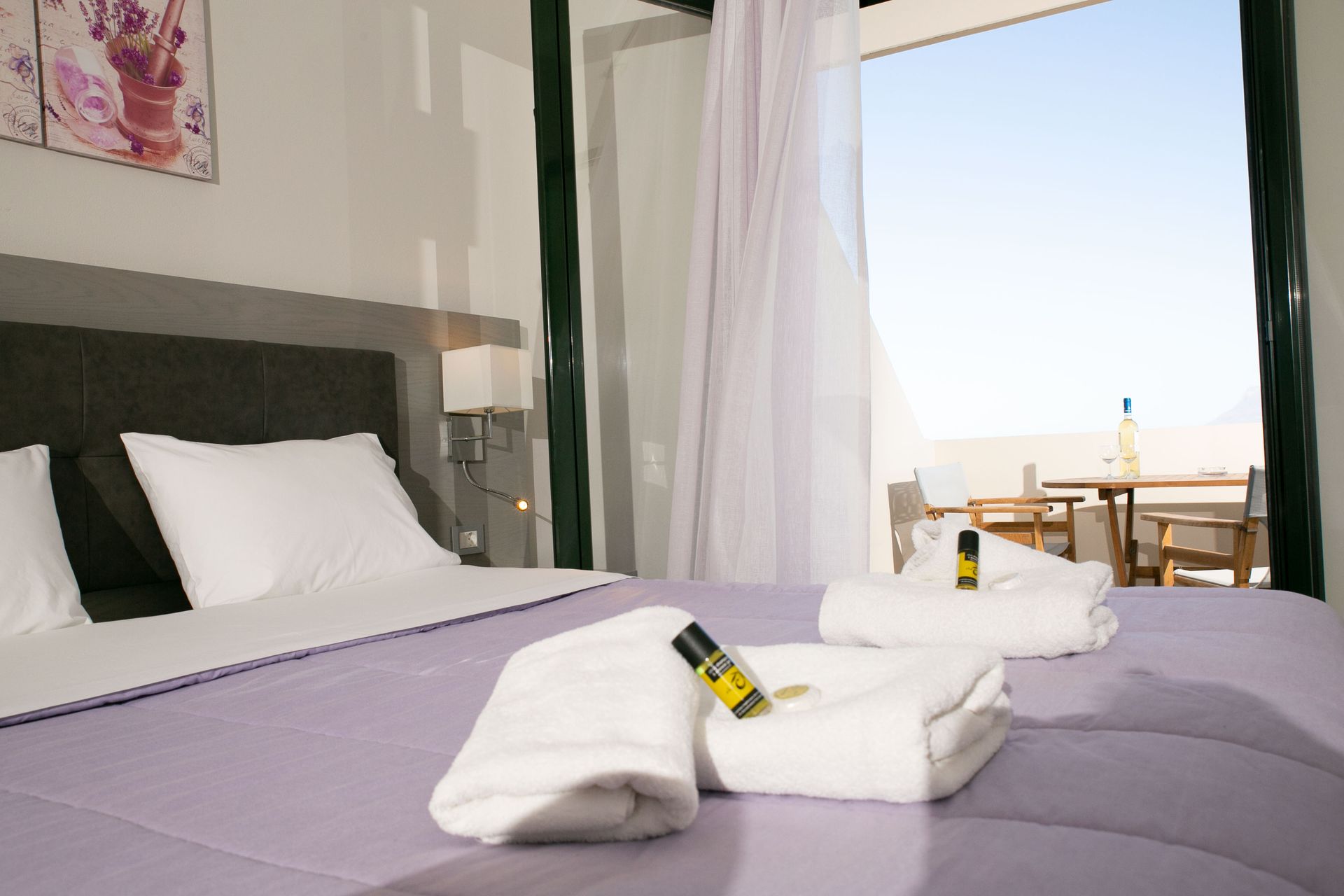
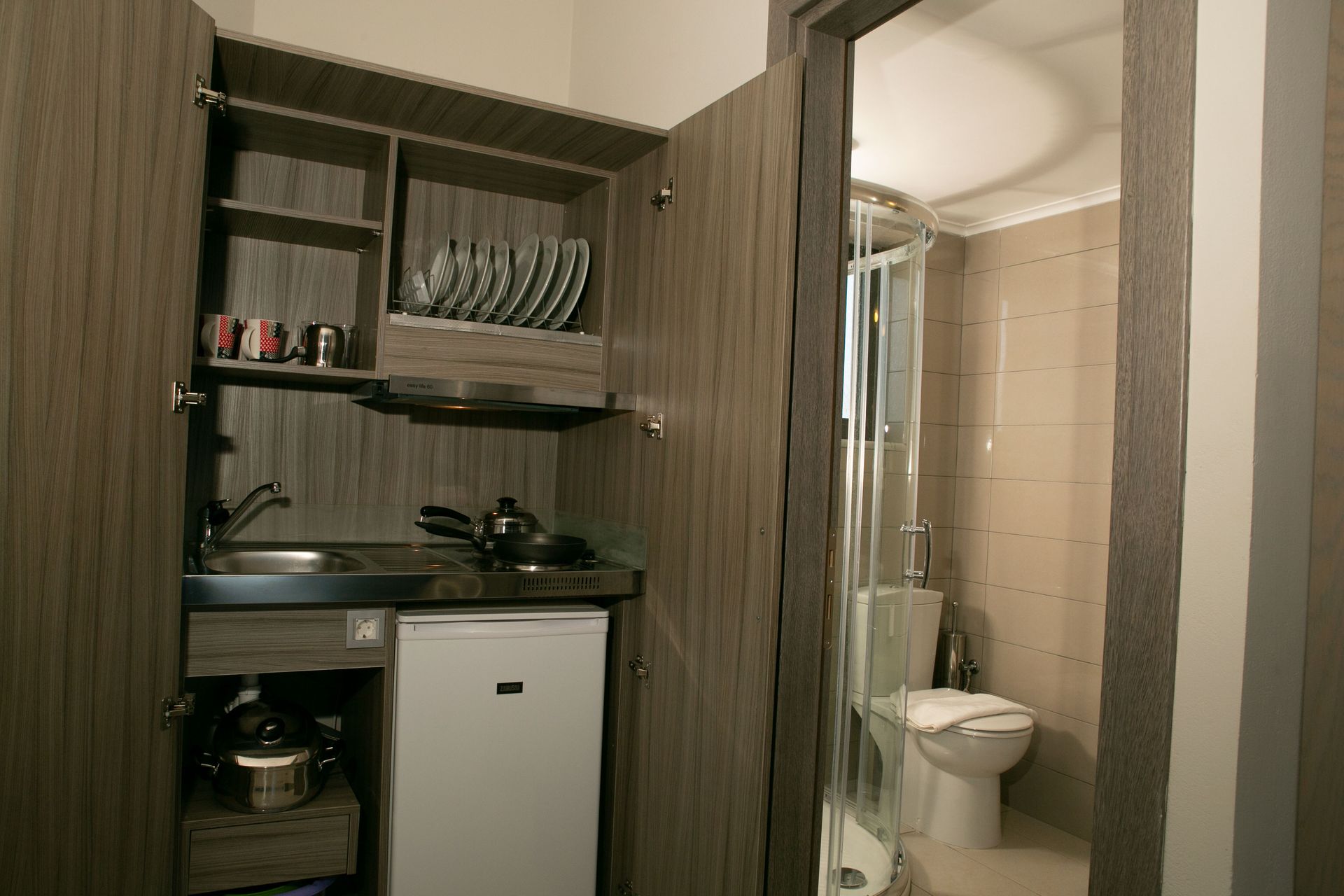
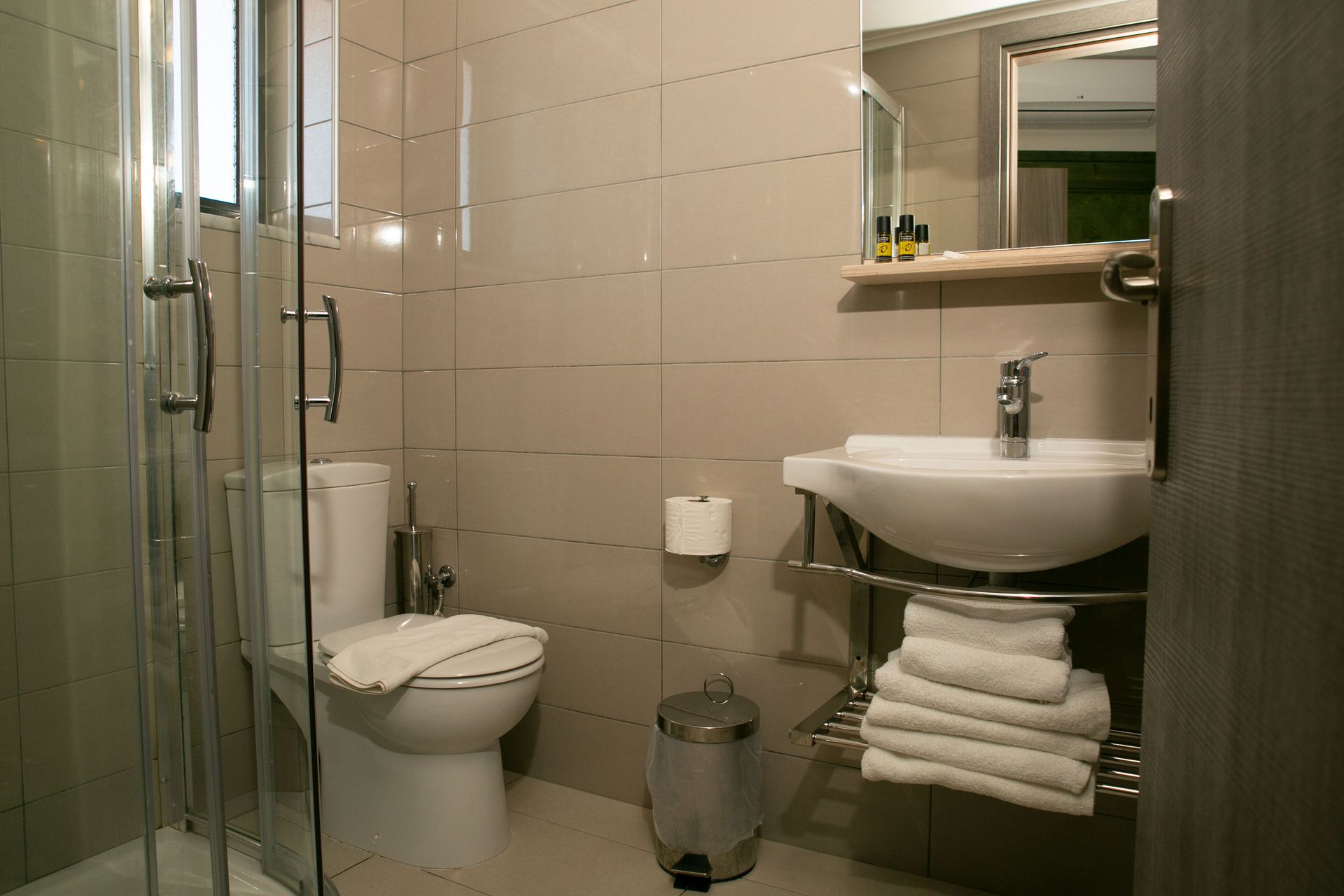
Studio with City View
3 adults
This studio features a balcony, stovetop and kitchenette.
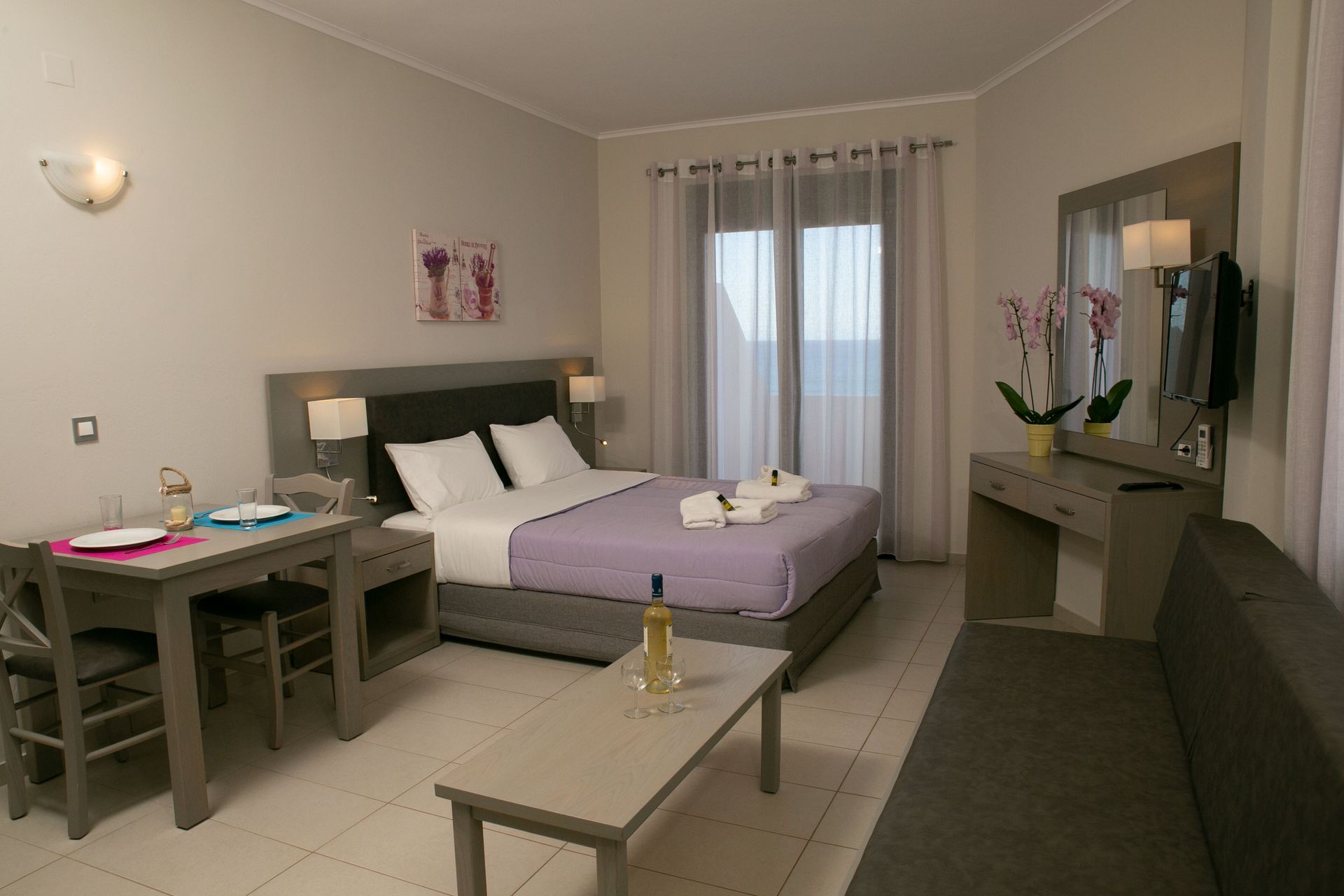
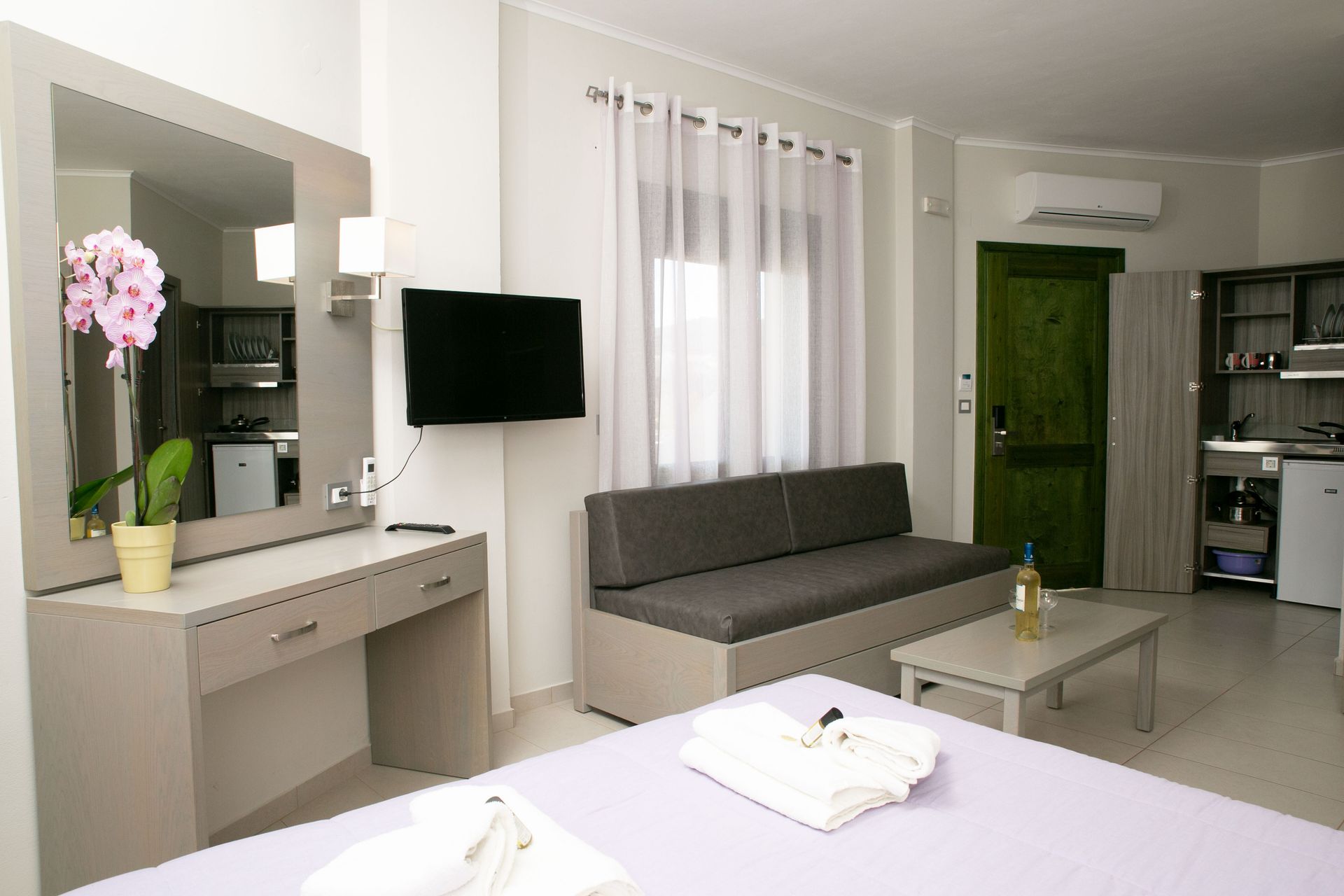
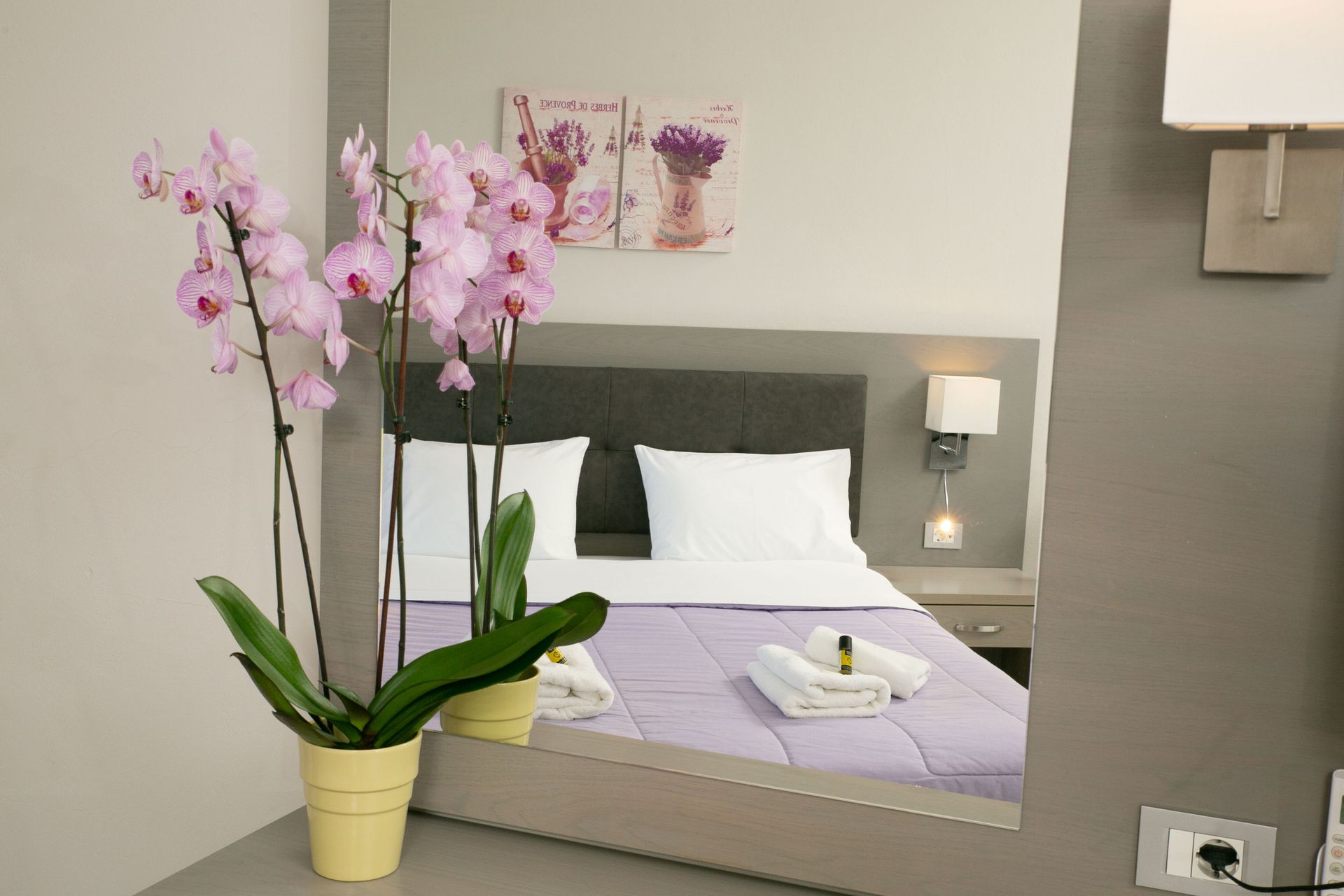
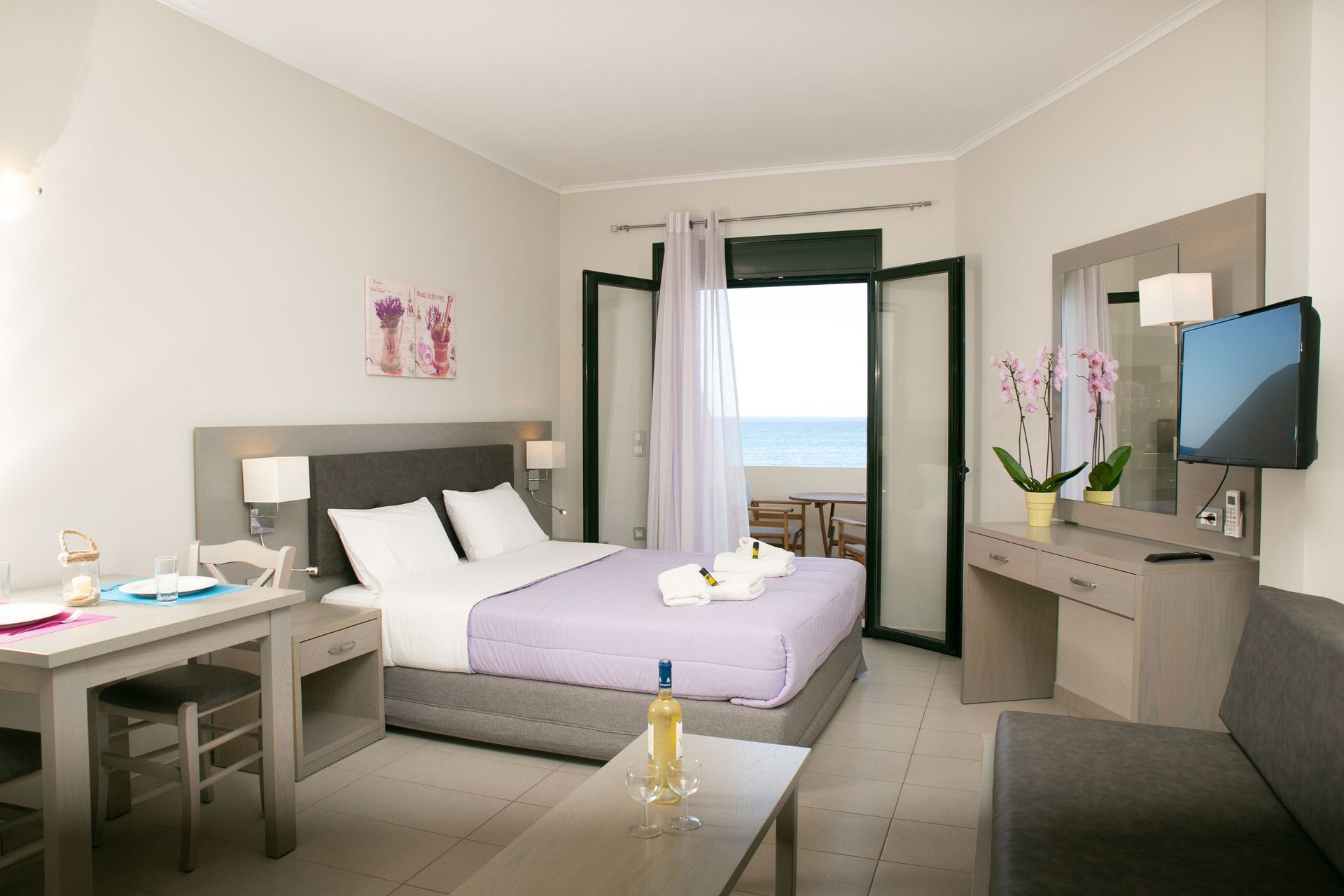
Superior Sea Front Studio
3 adults
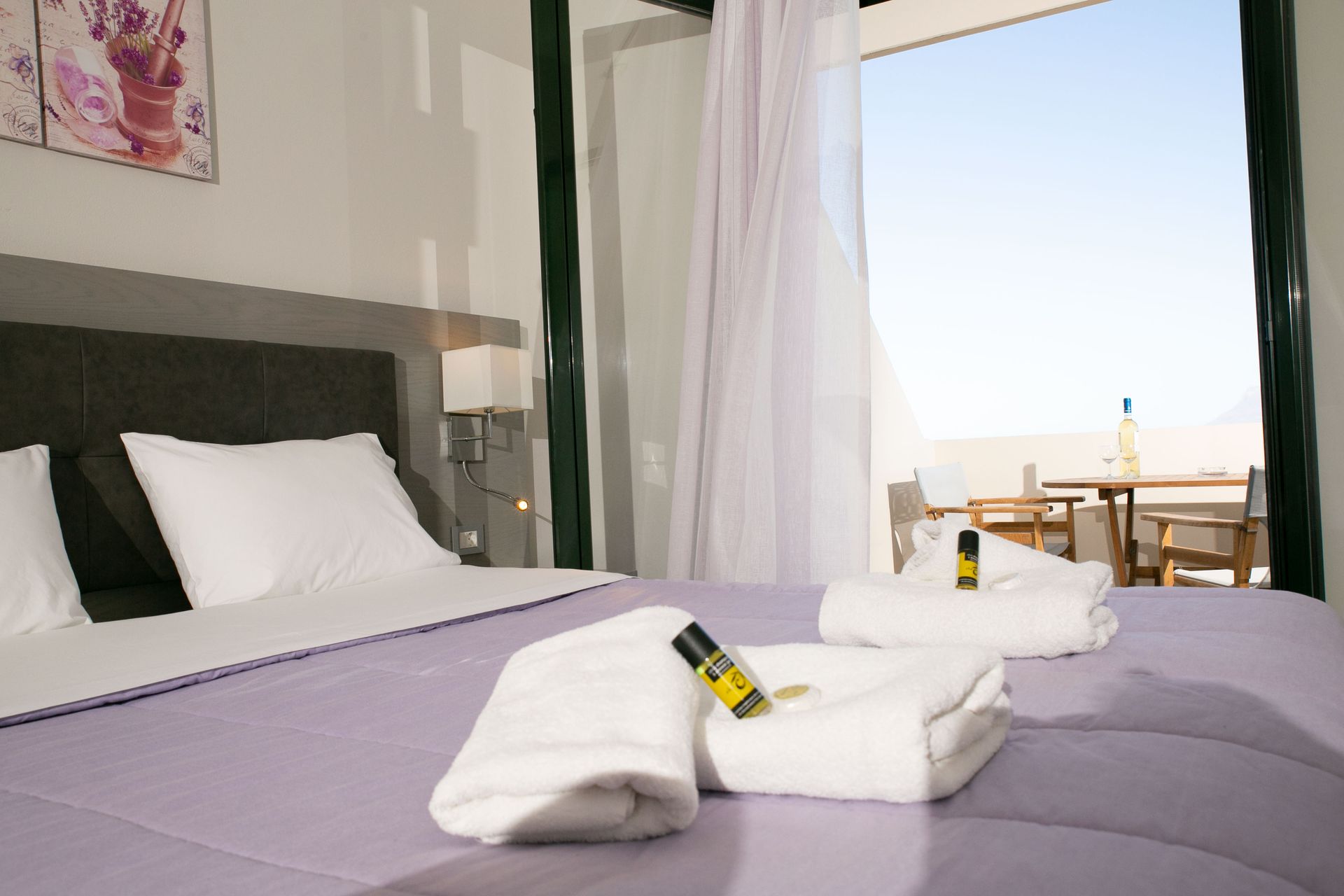
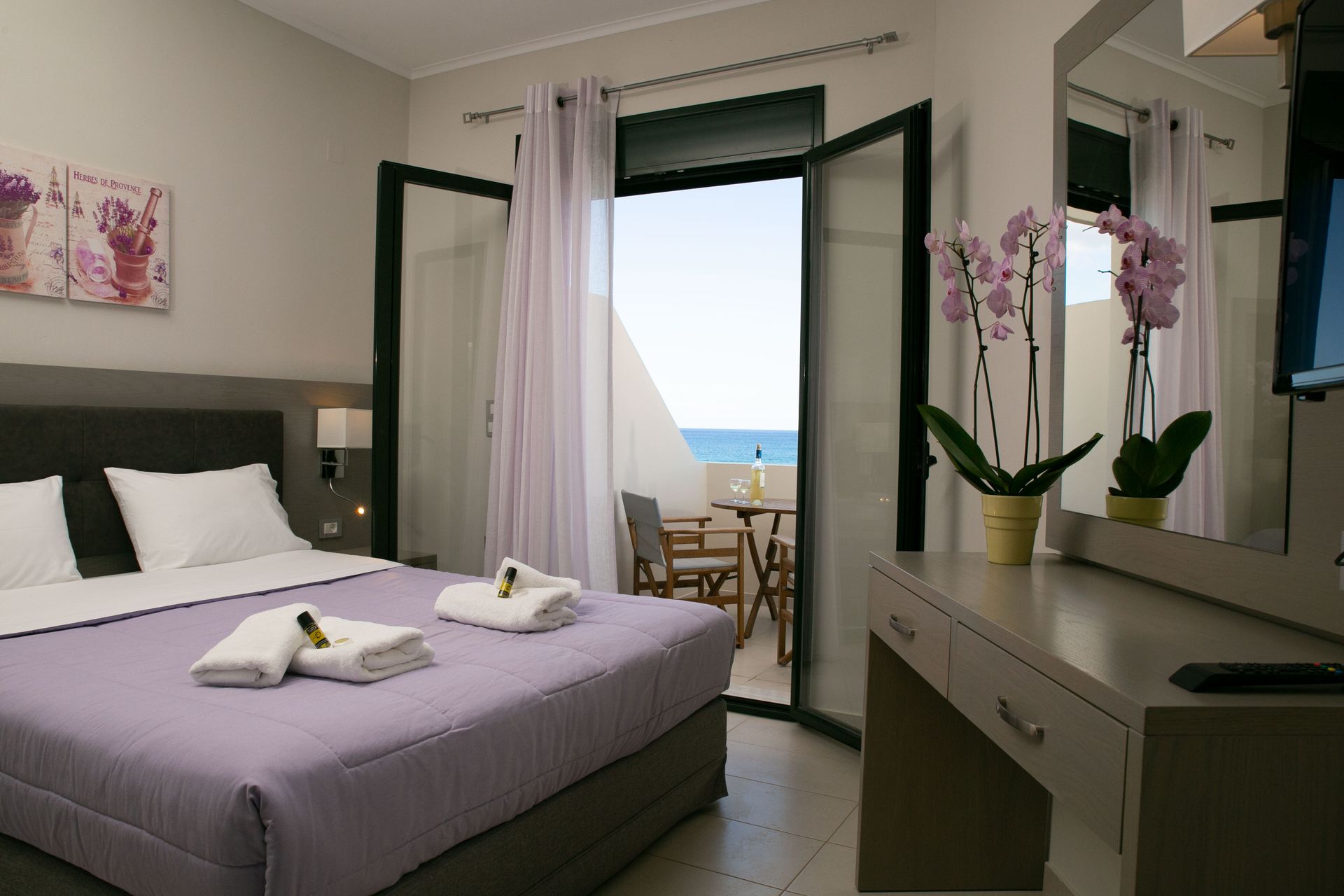
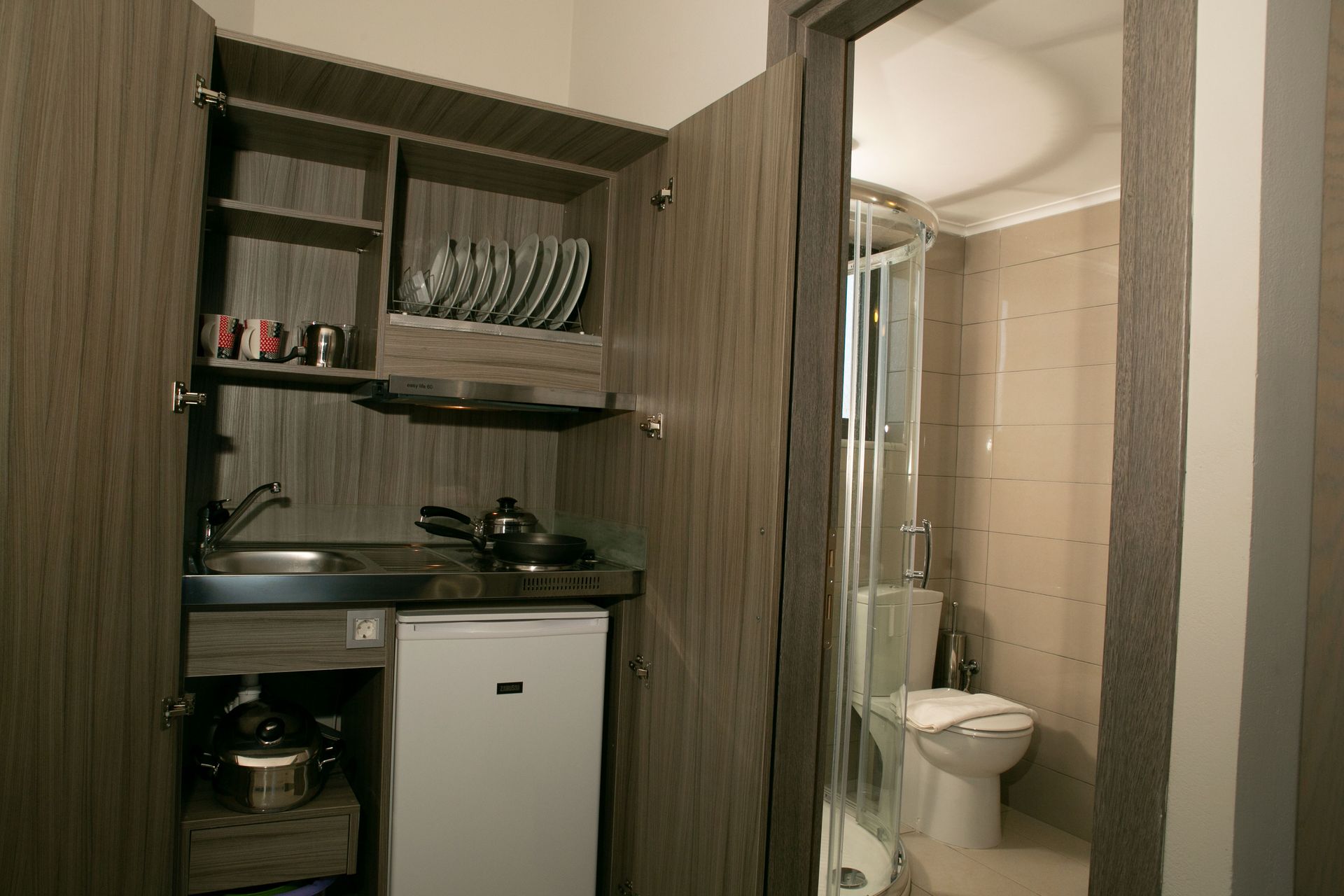
This studio has a balcony, kitchenware and sofa.
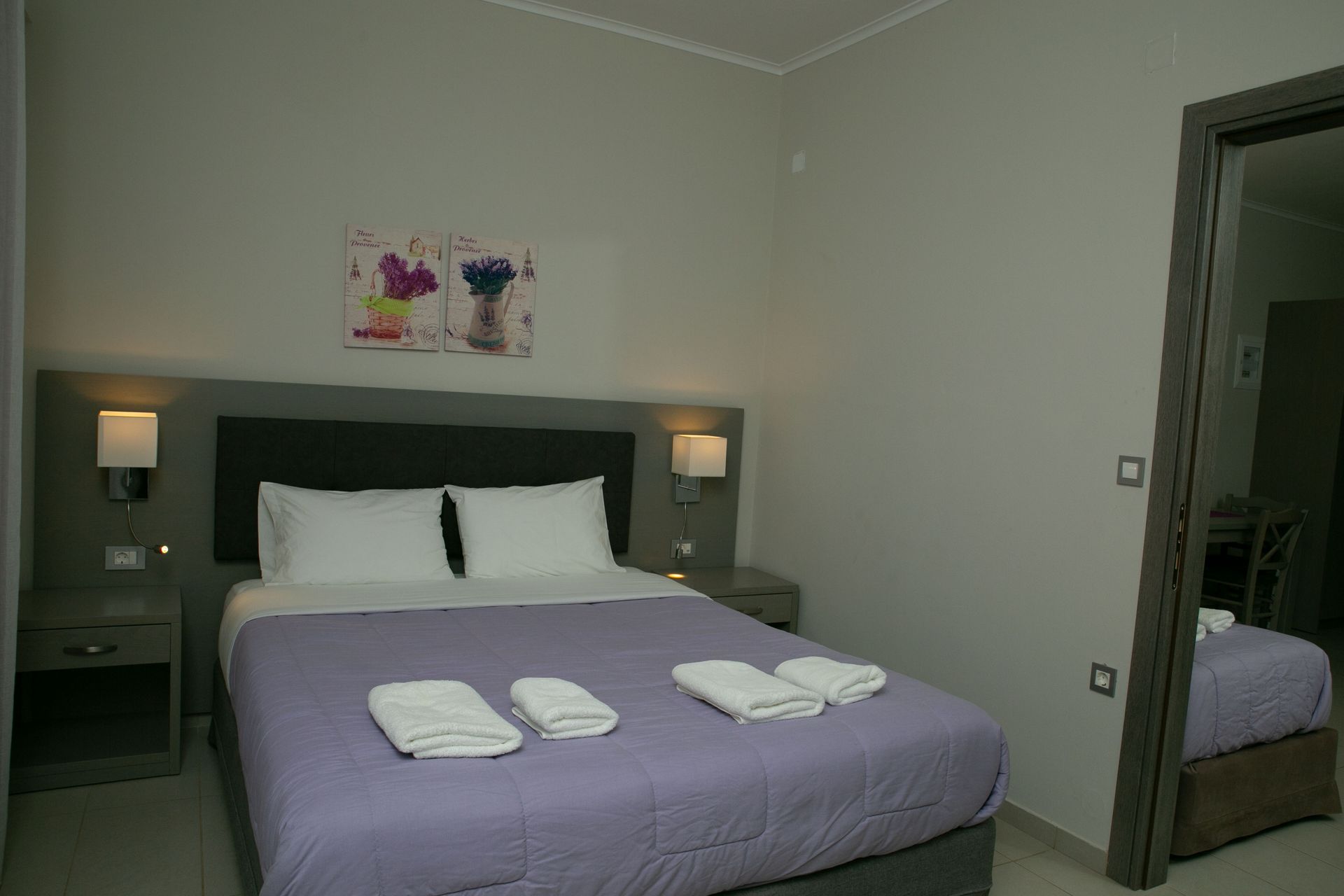
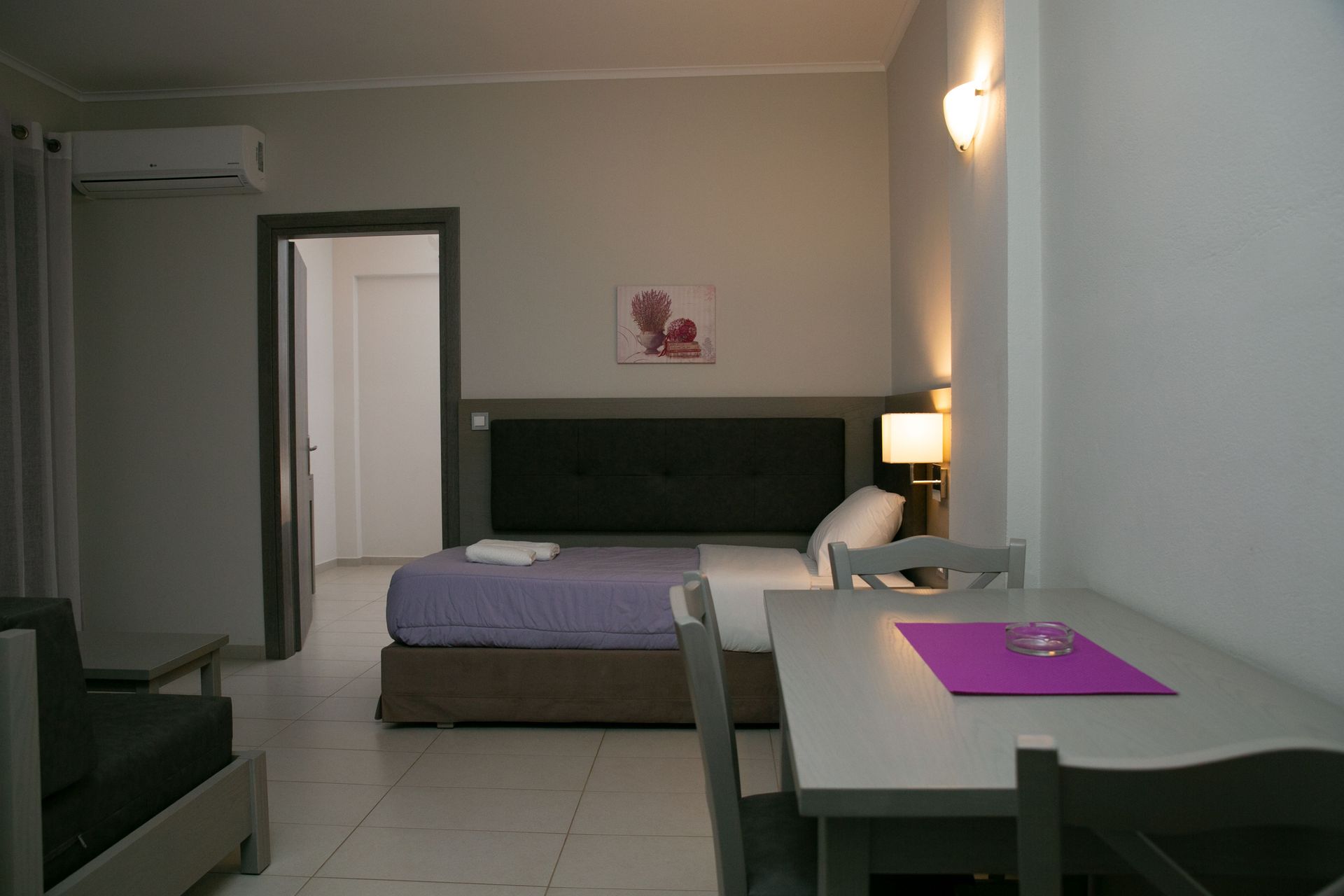
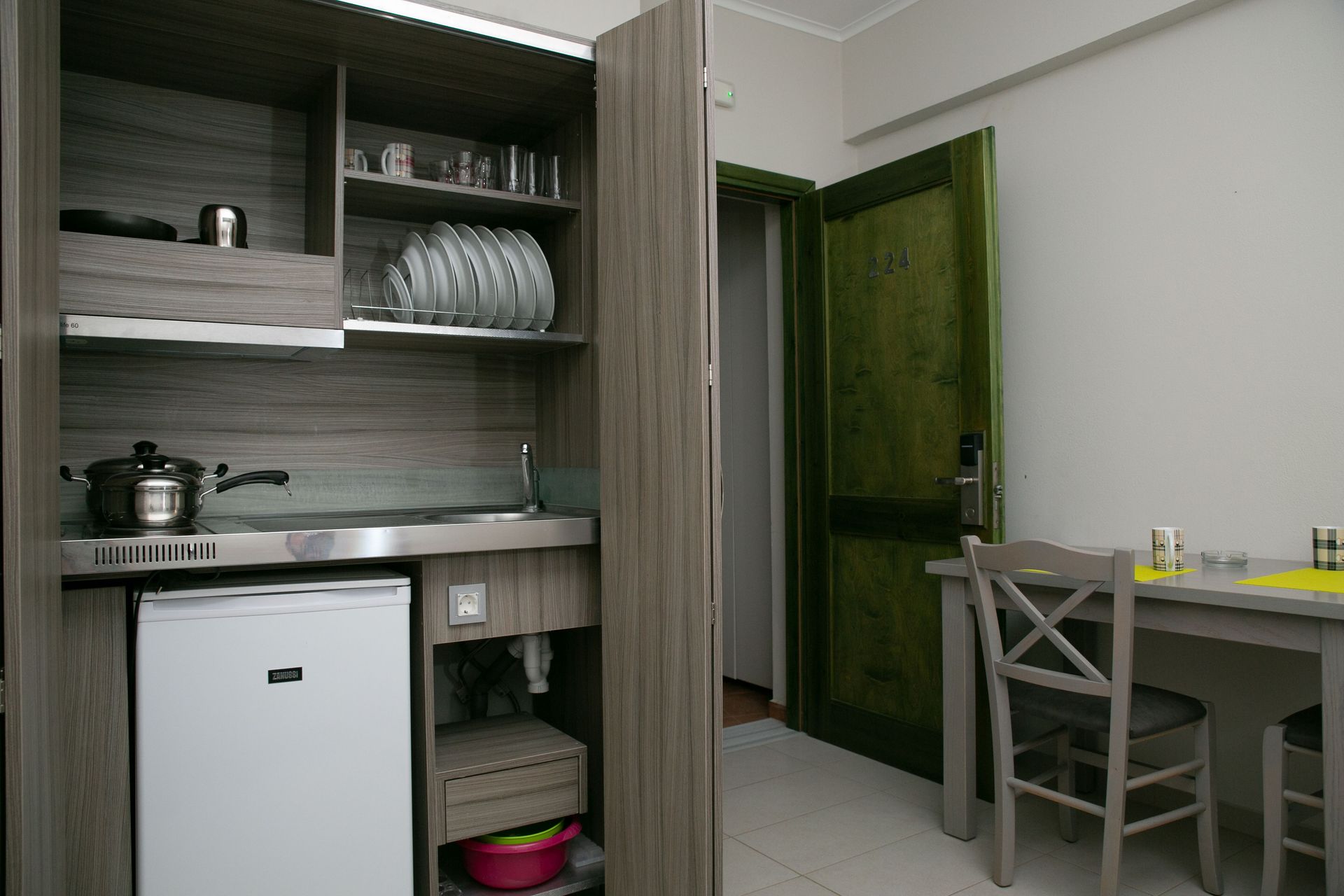
Family Two Bedroom Apartment
4 adults
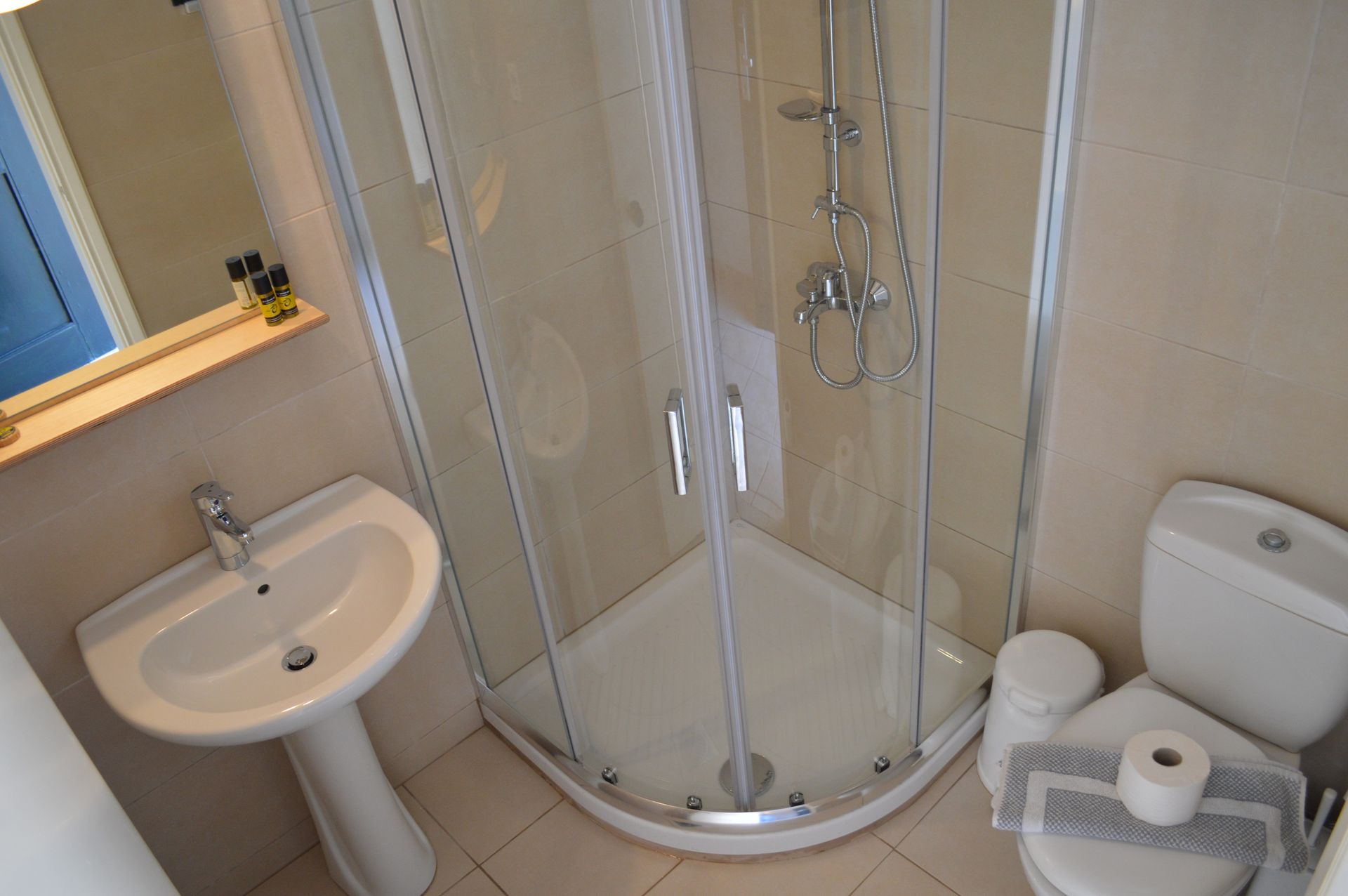
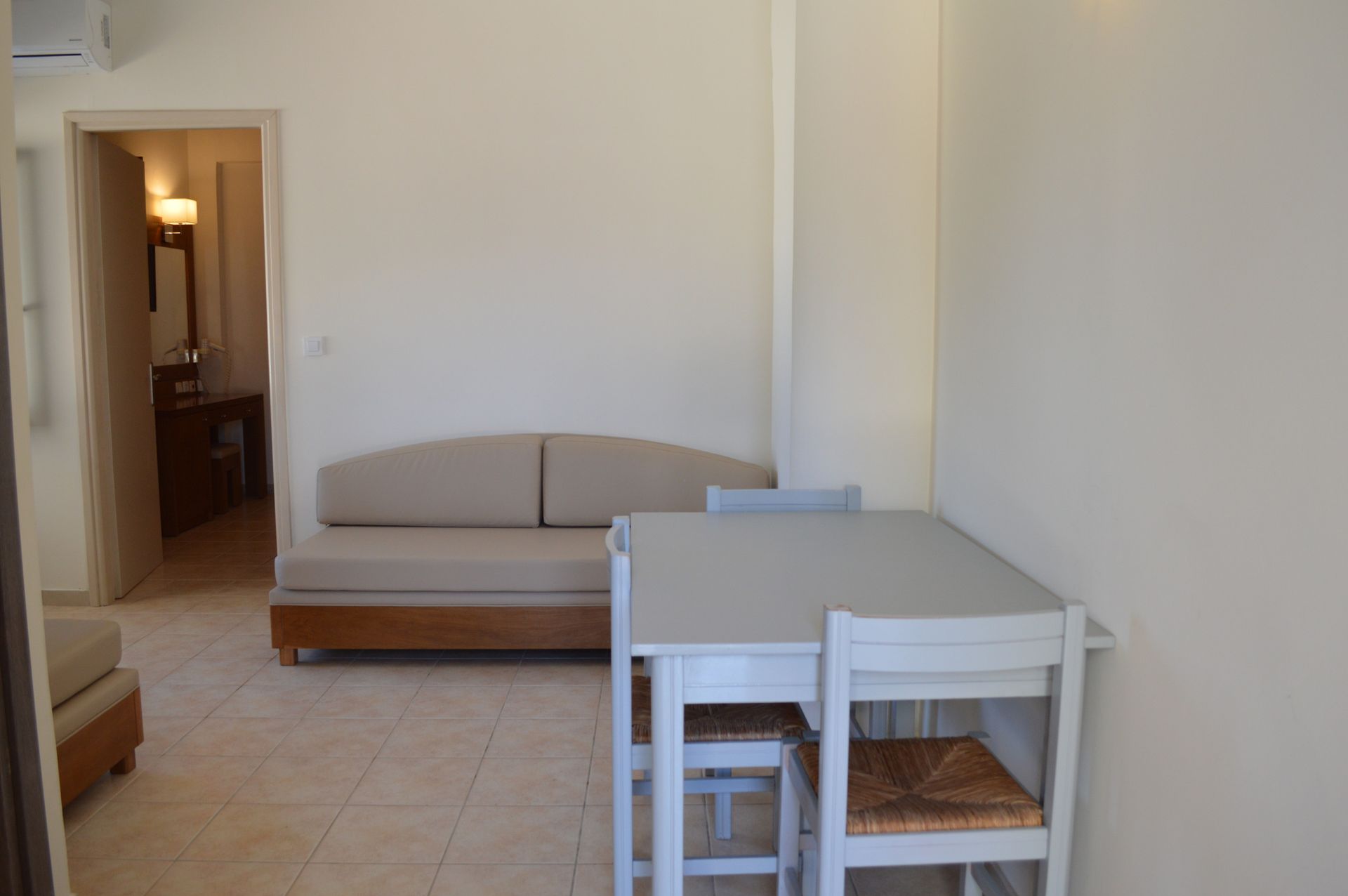
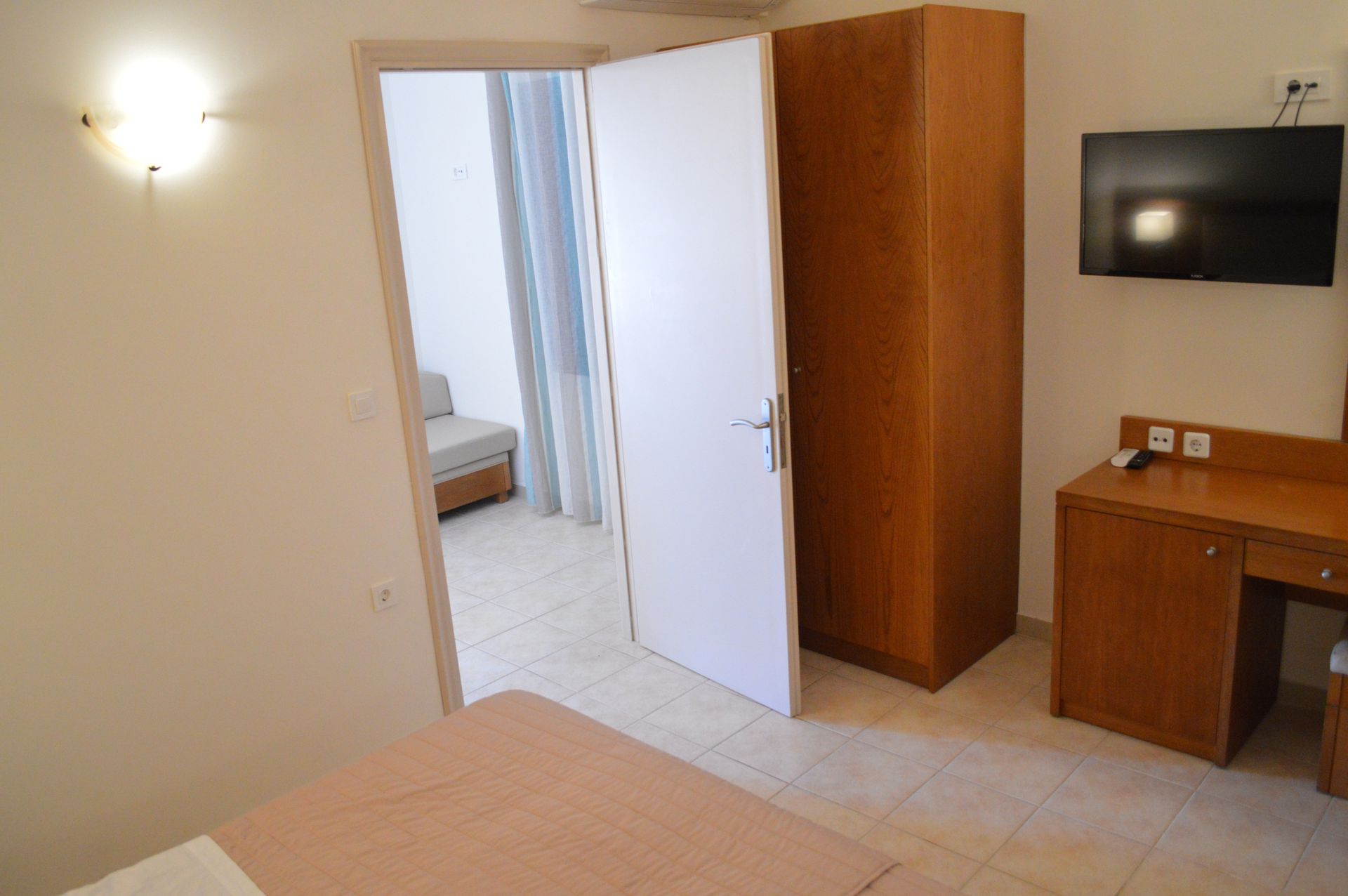
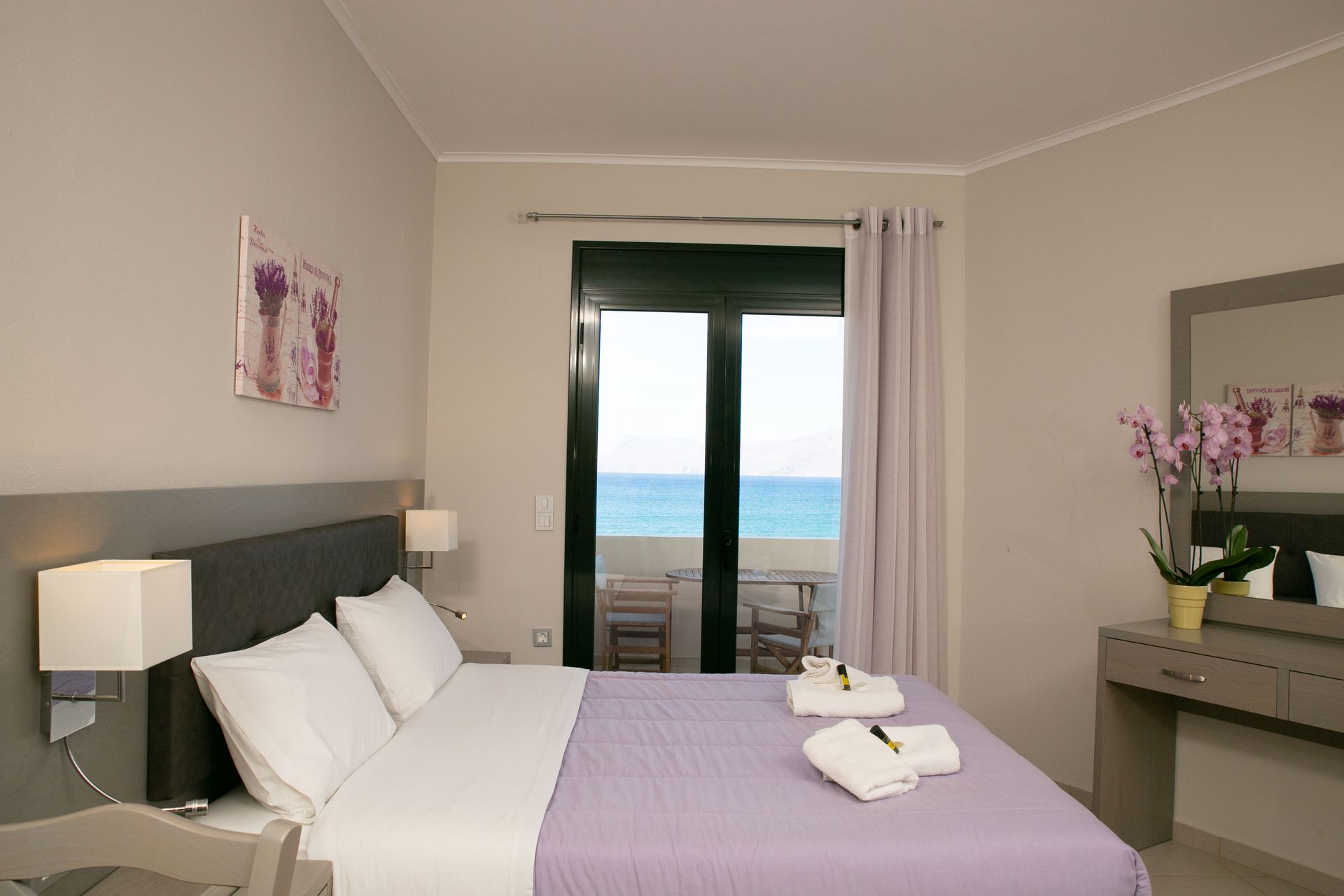
One Bedroom Apartment with Sea View
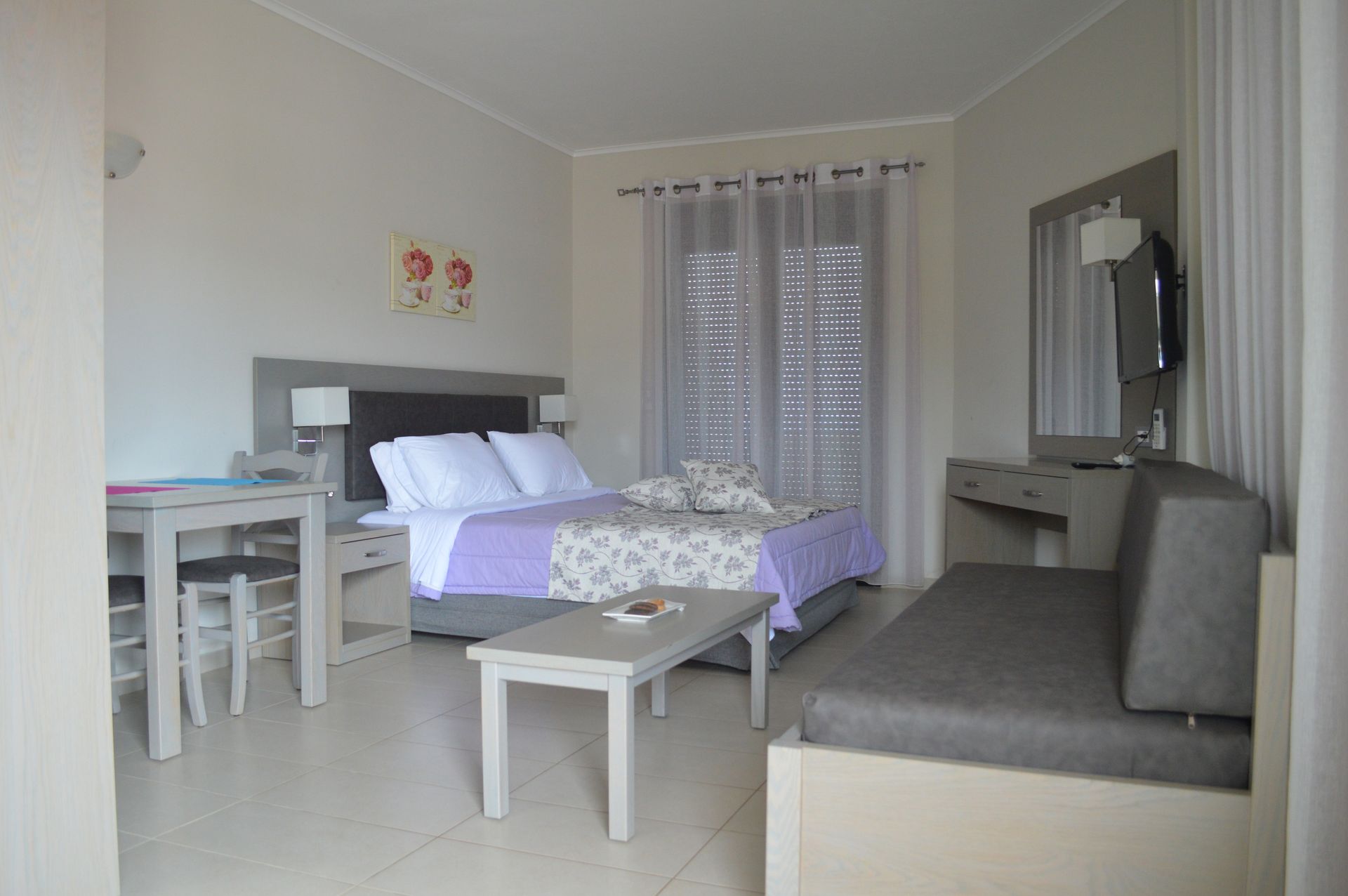
4 adults
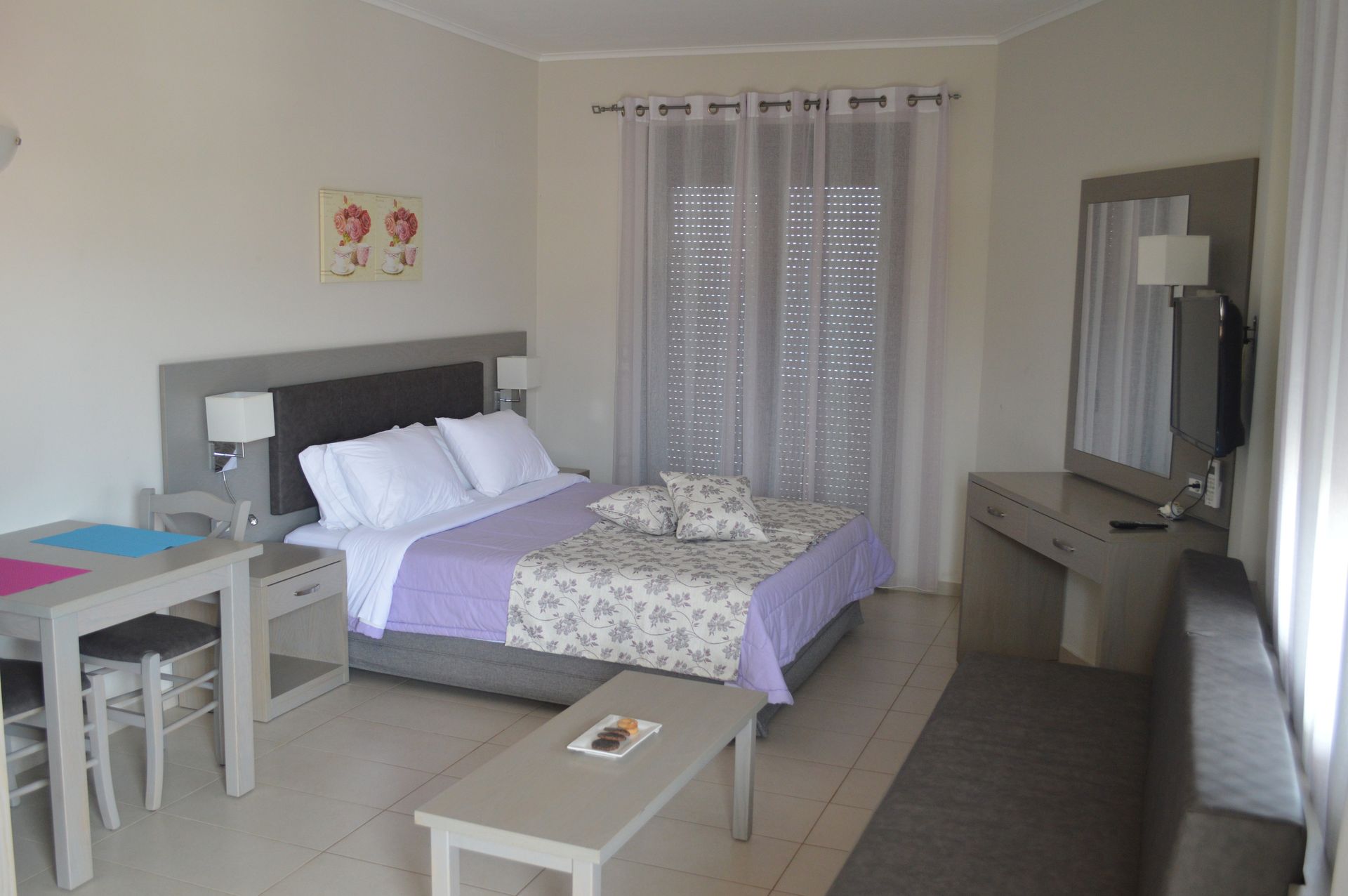
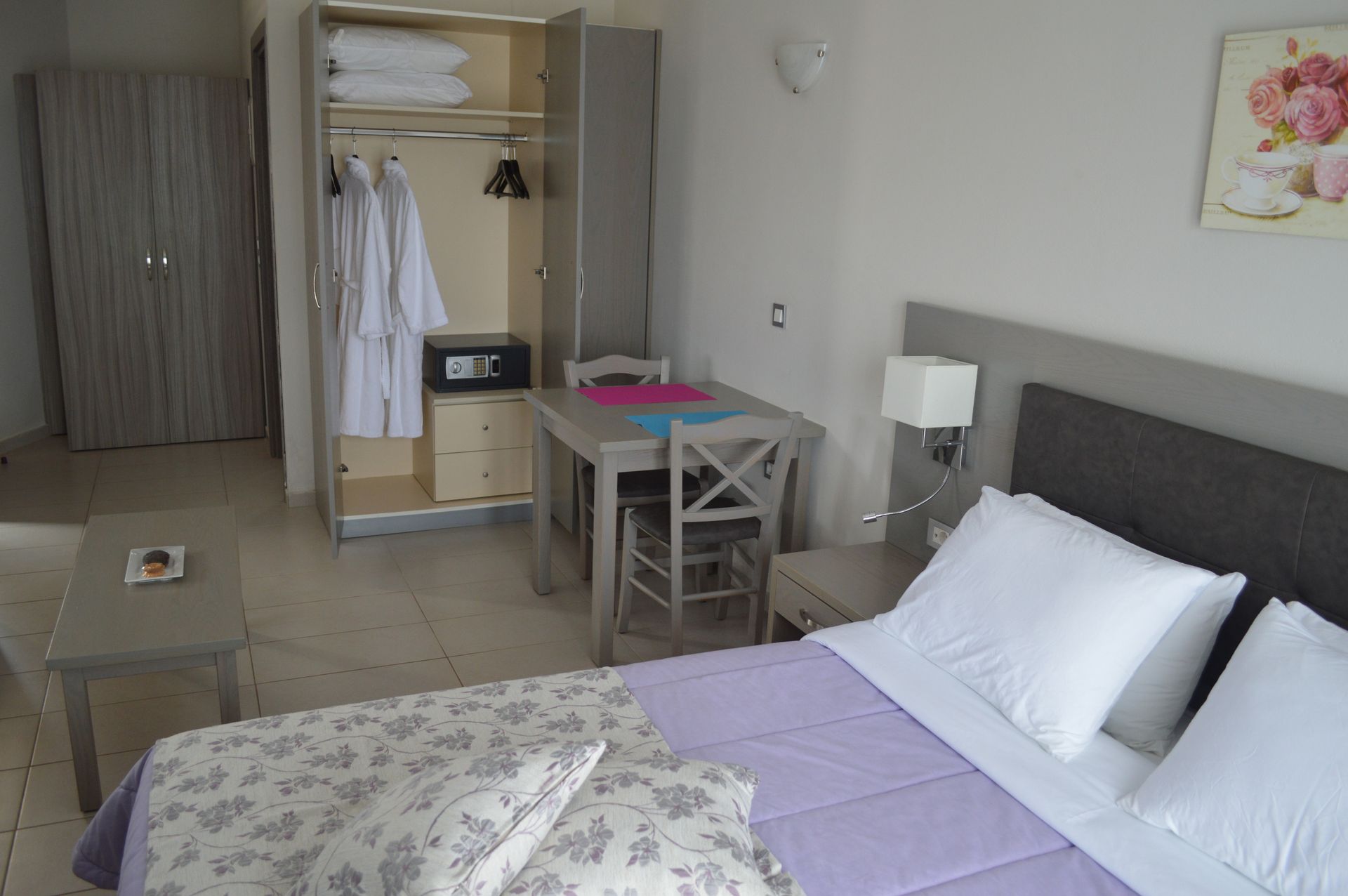
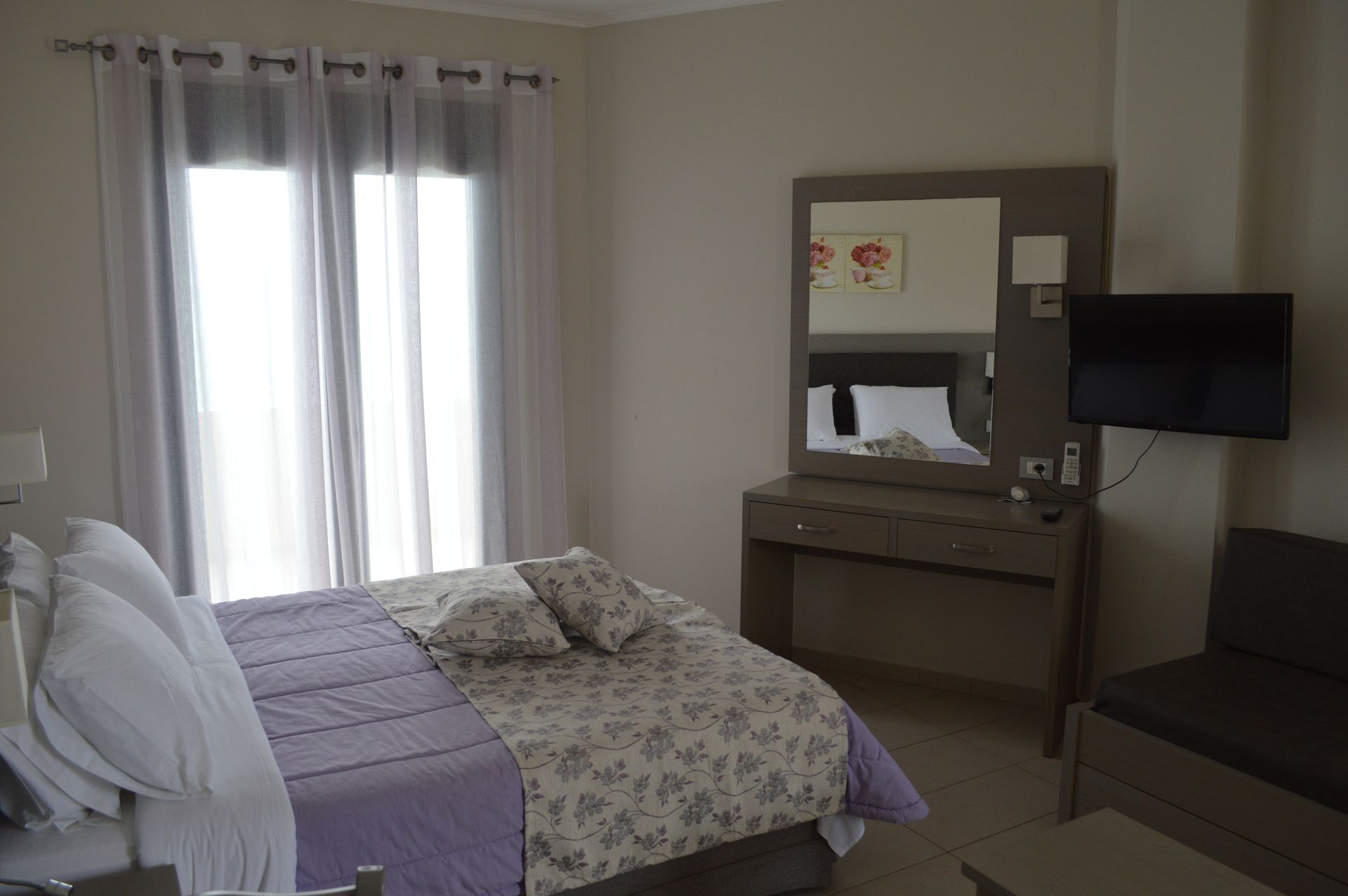
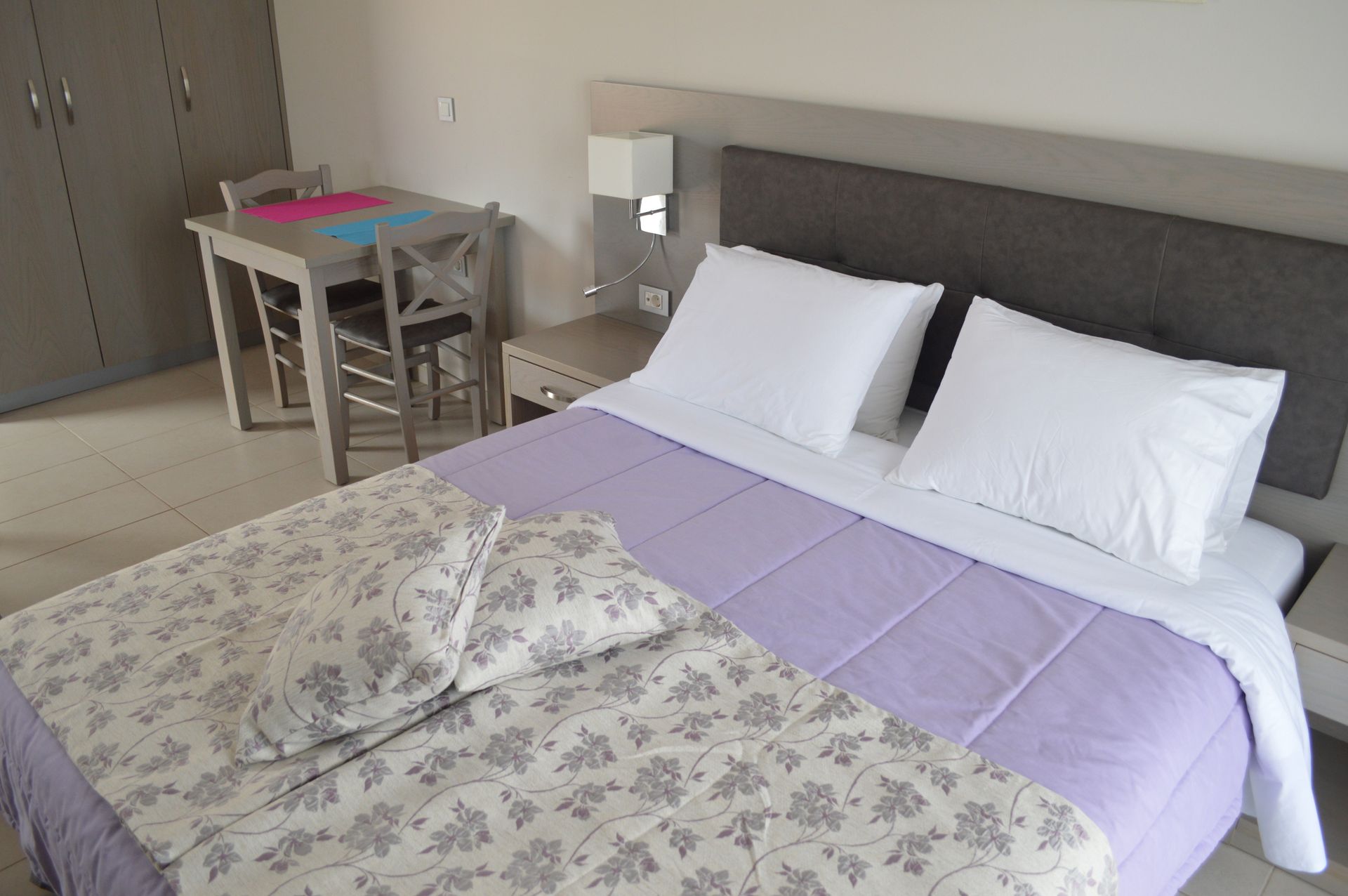
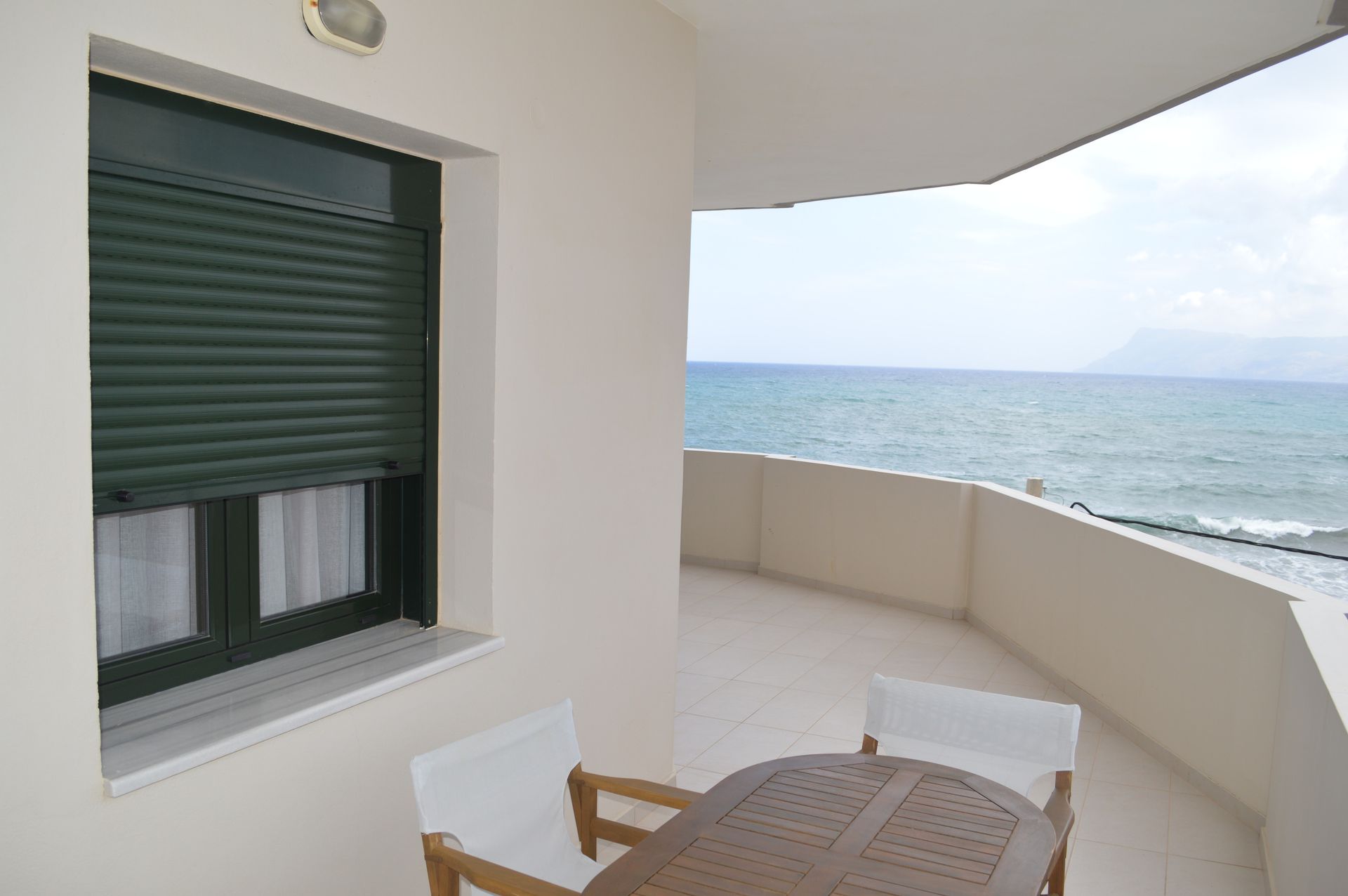
Sea Front Suite
2 adults
This suite features a balcony, air conditioning and kitchenware.
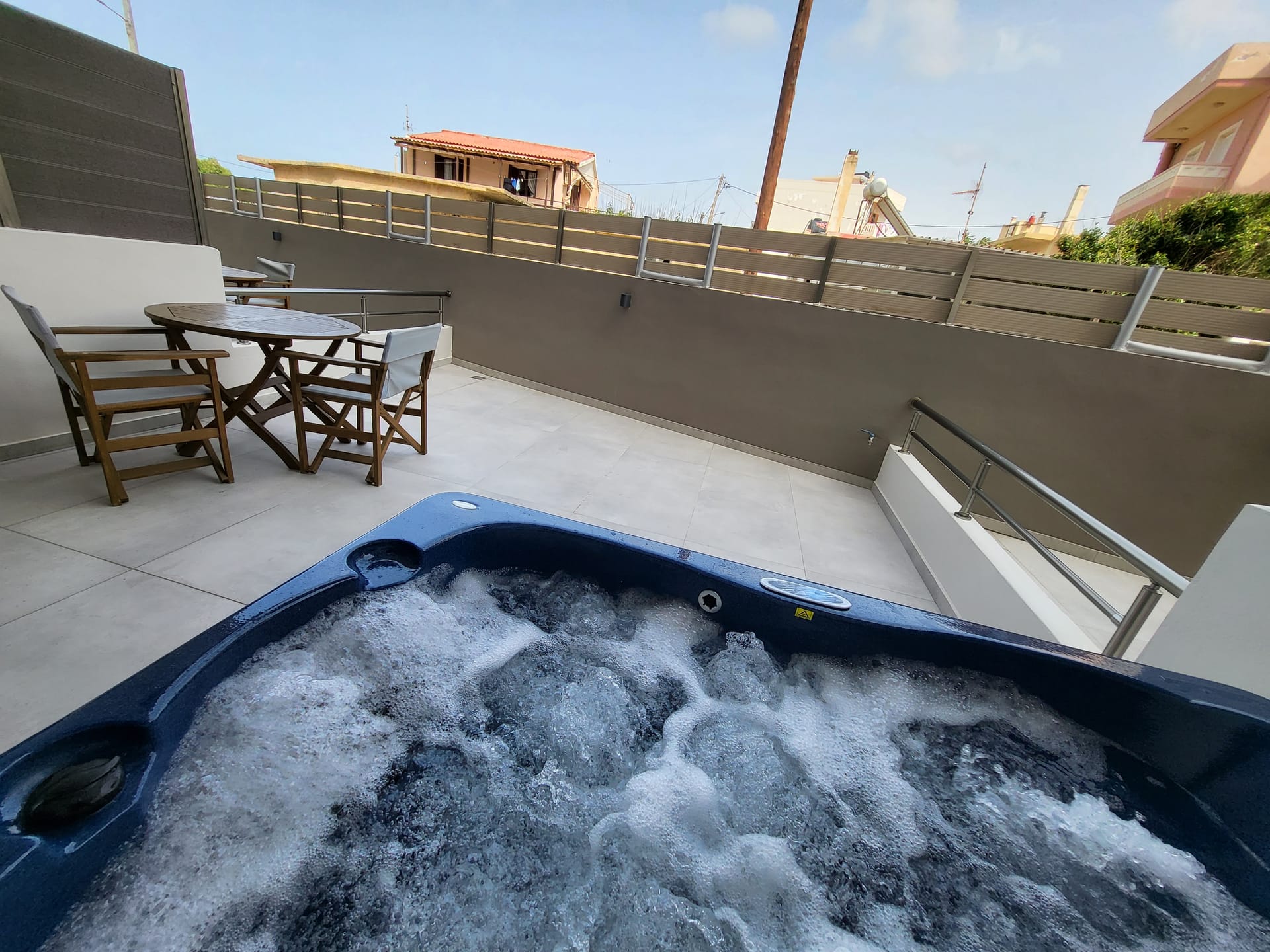
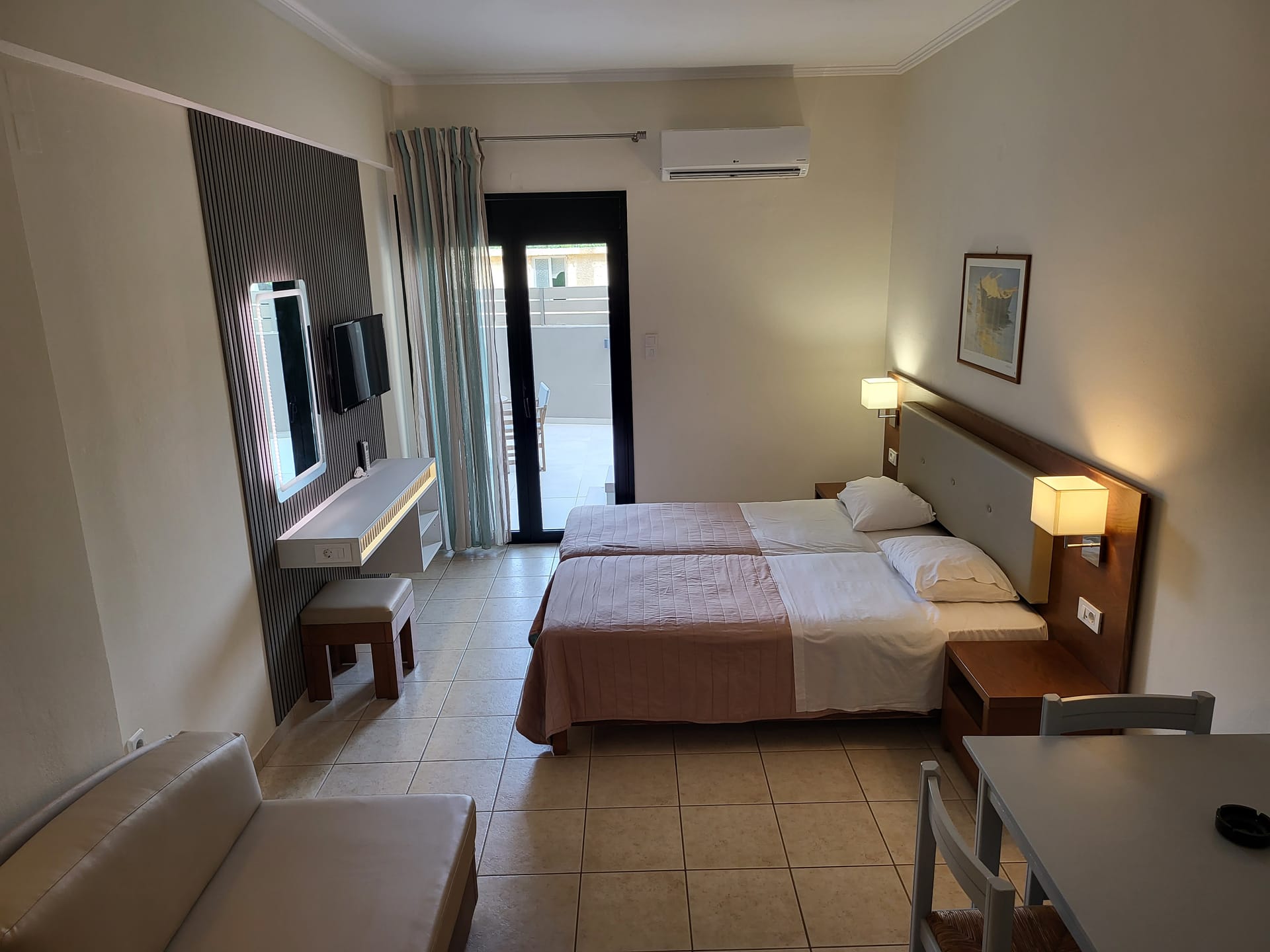
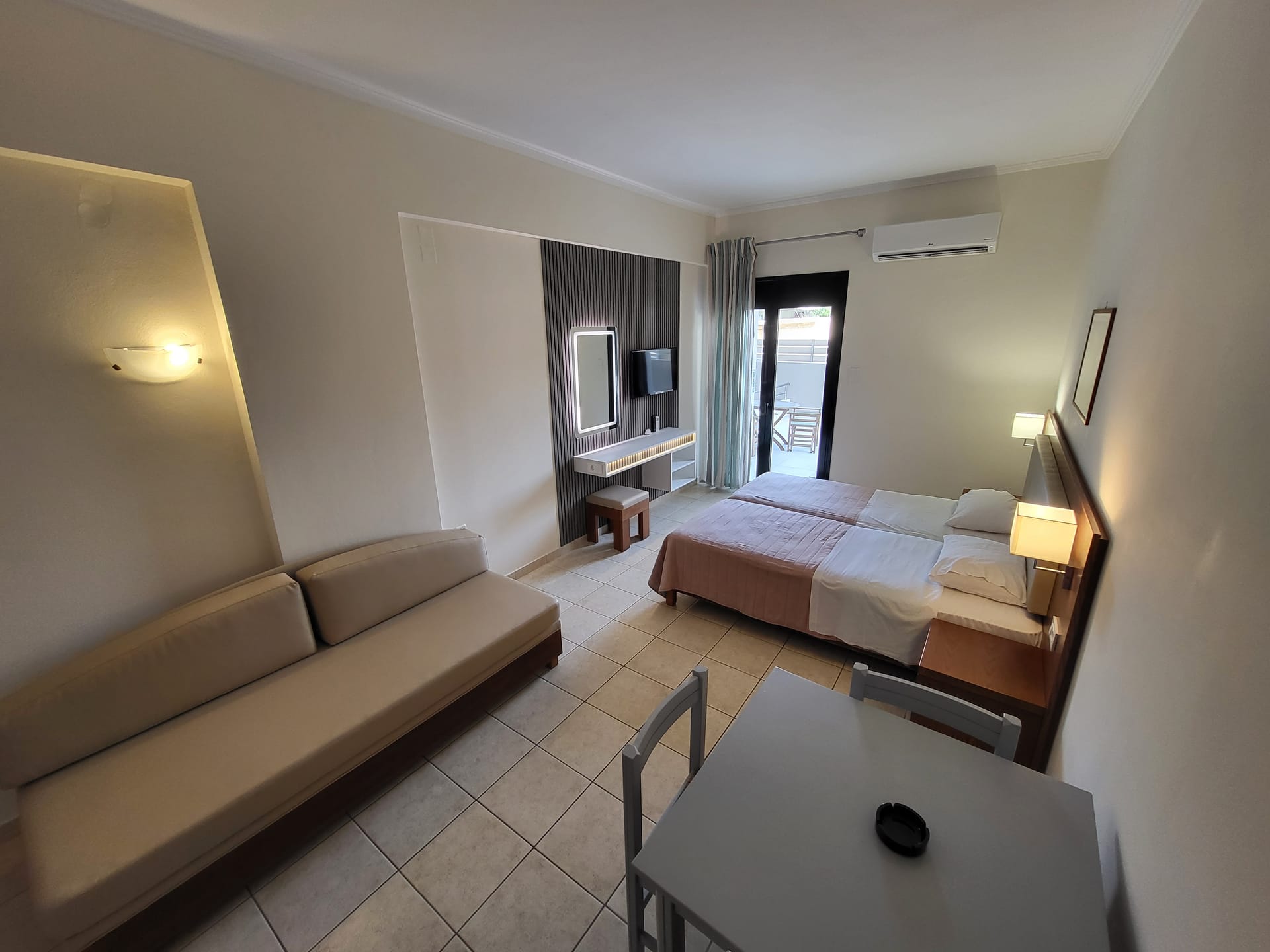
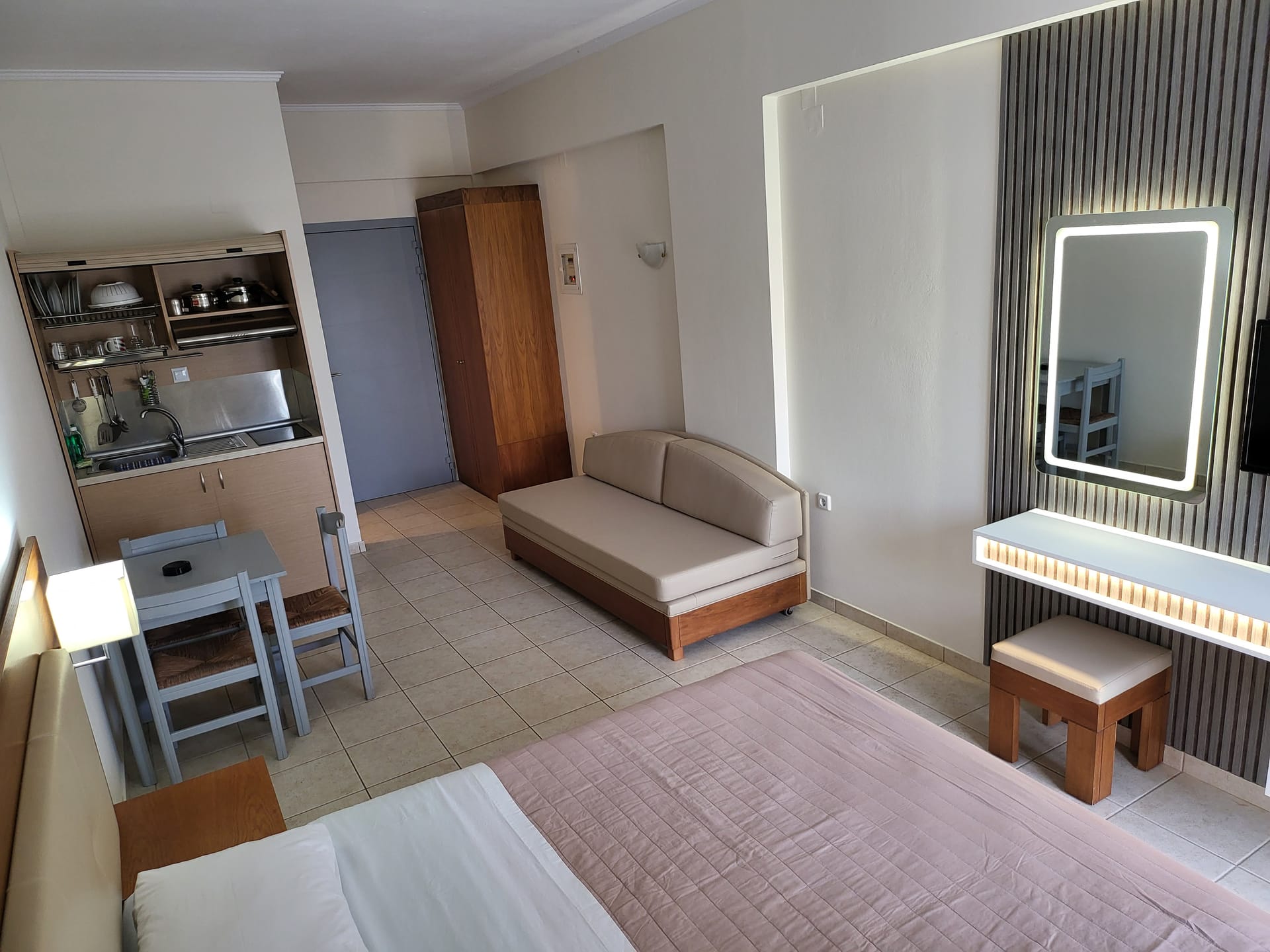
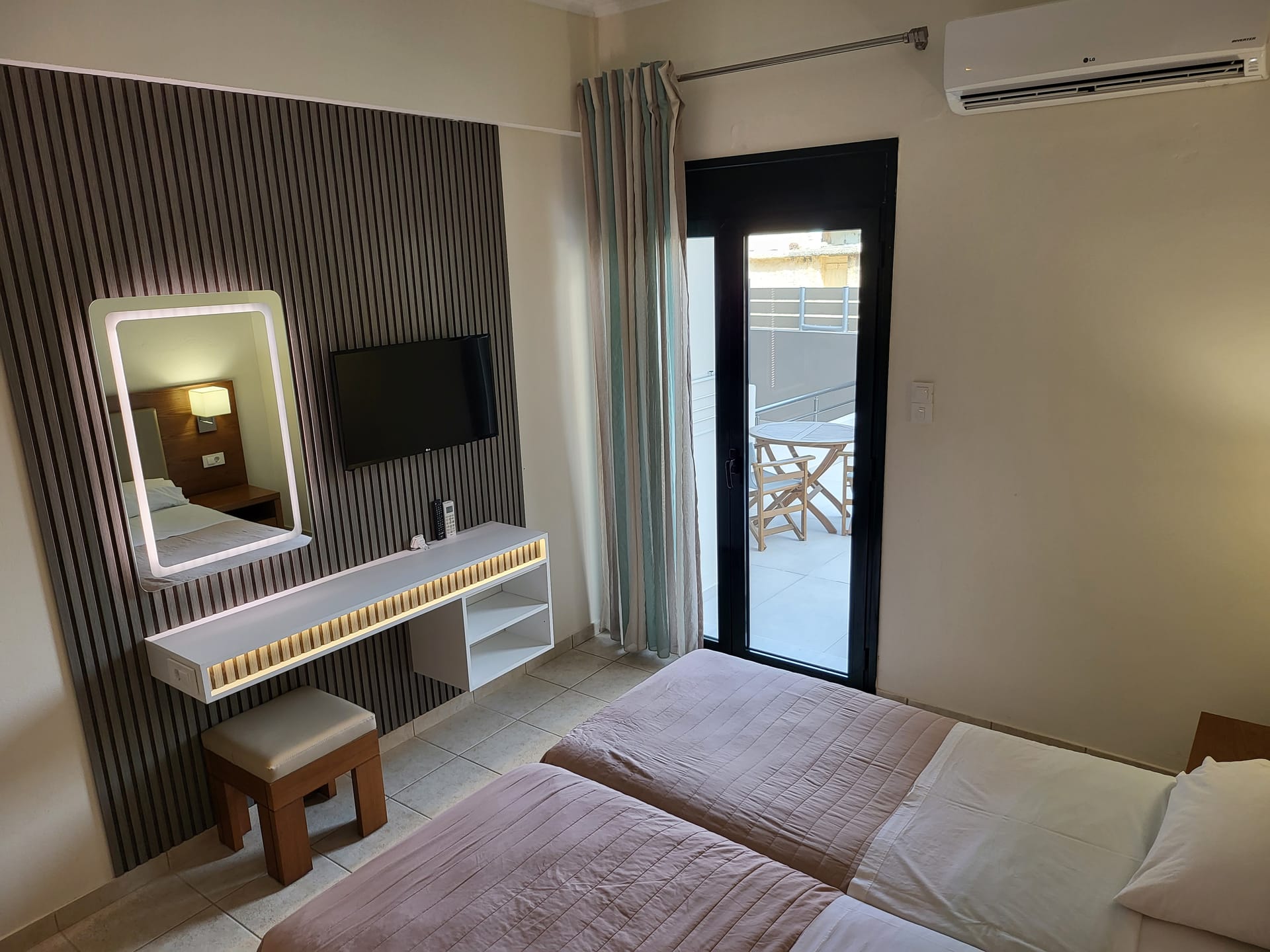
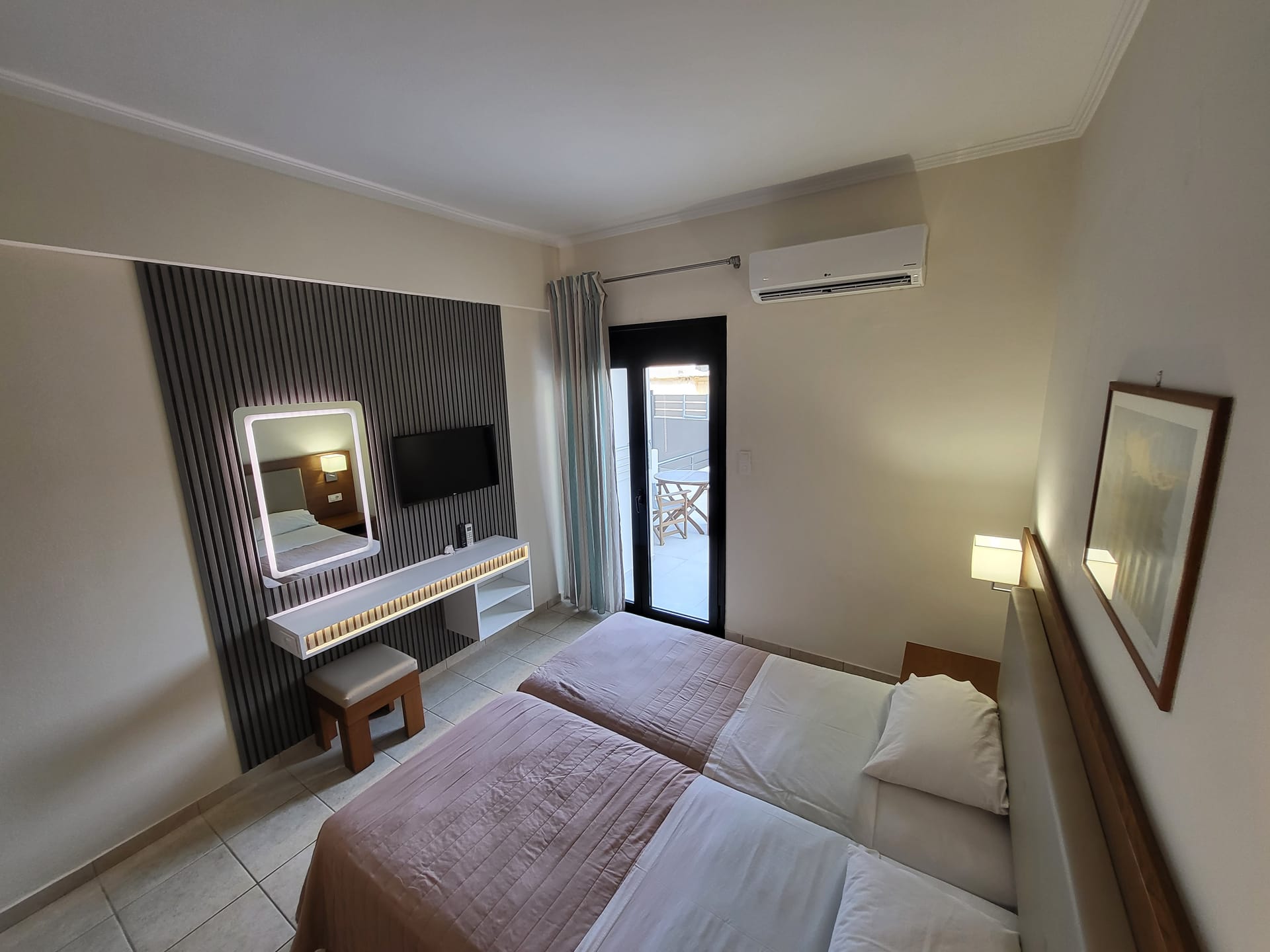
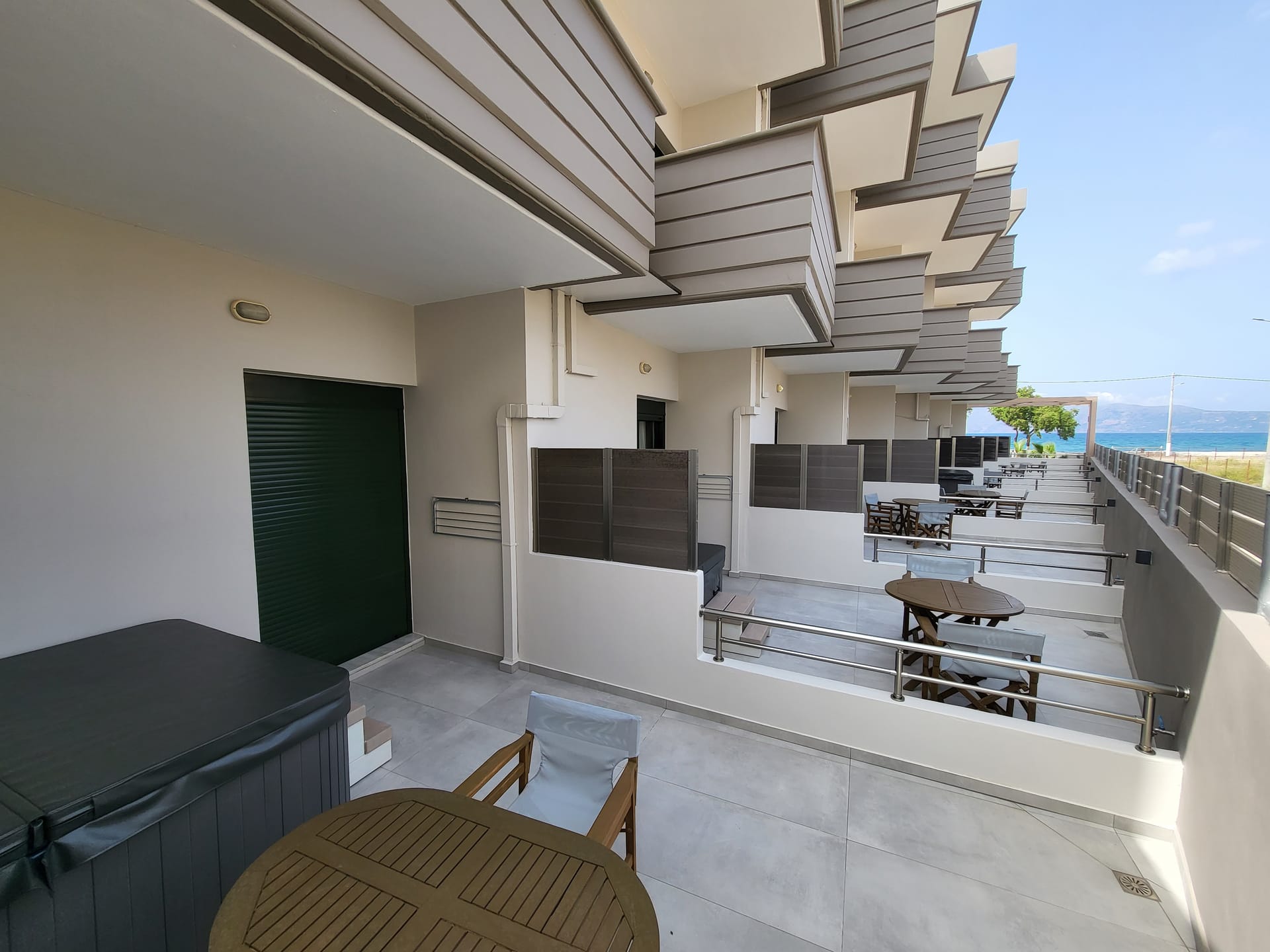
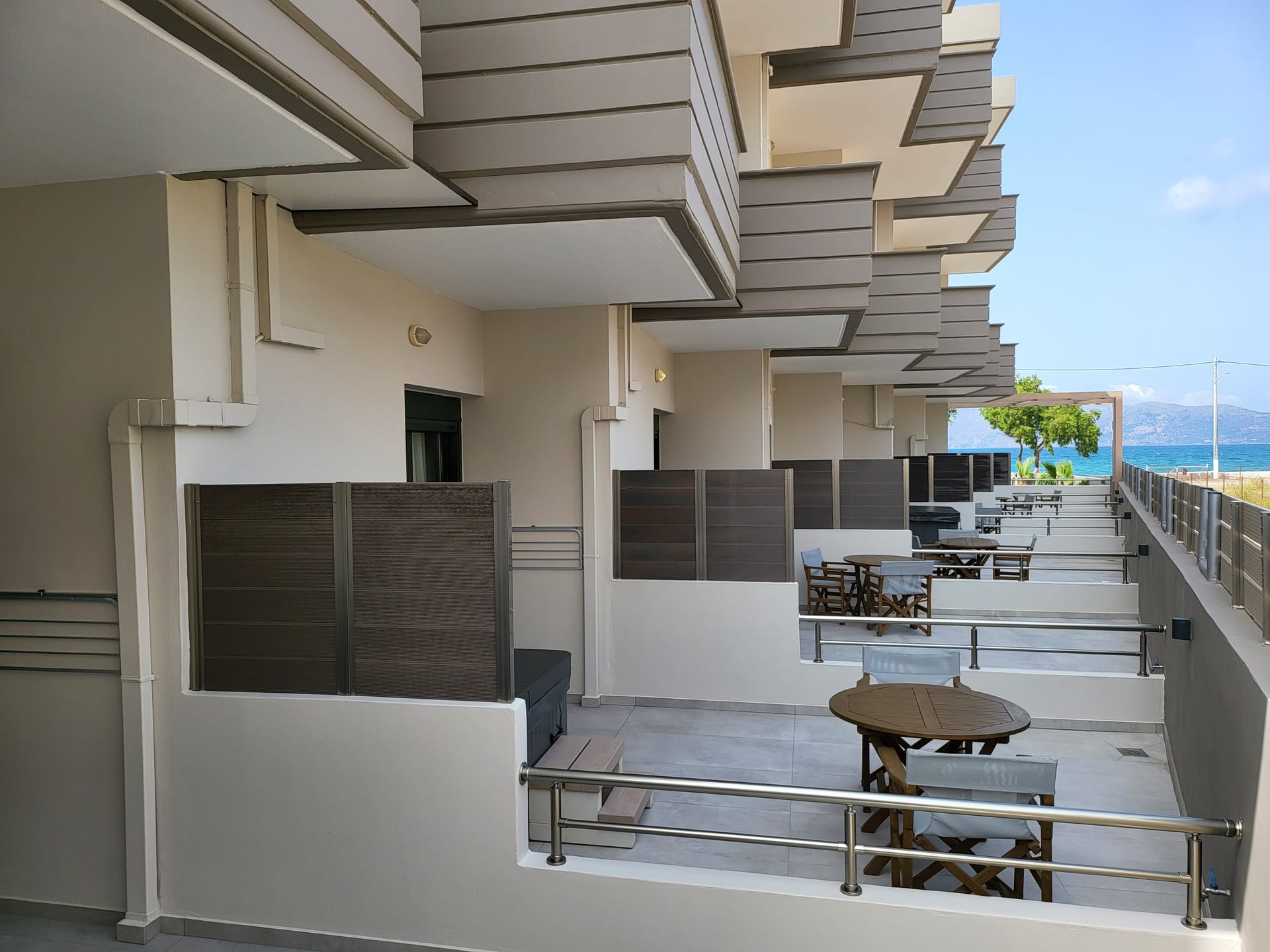
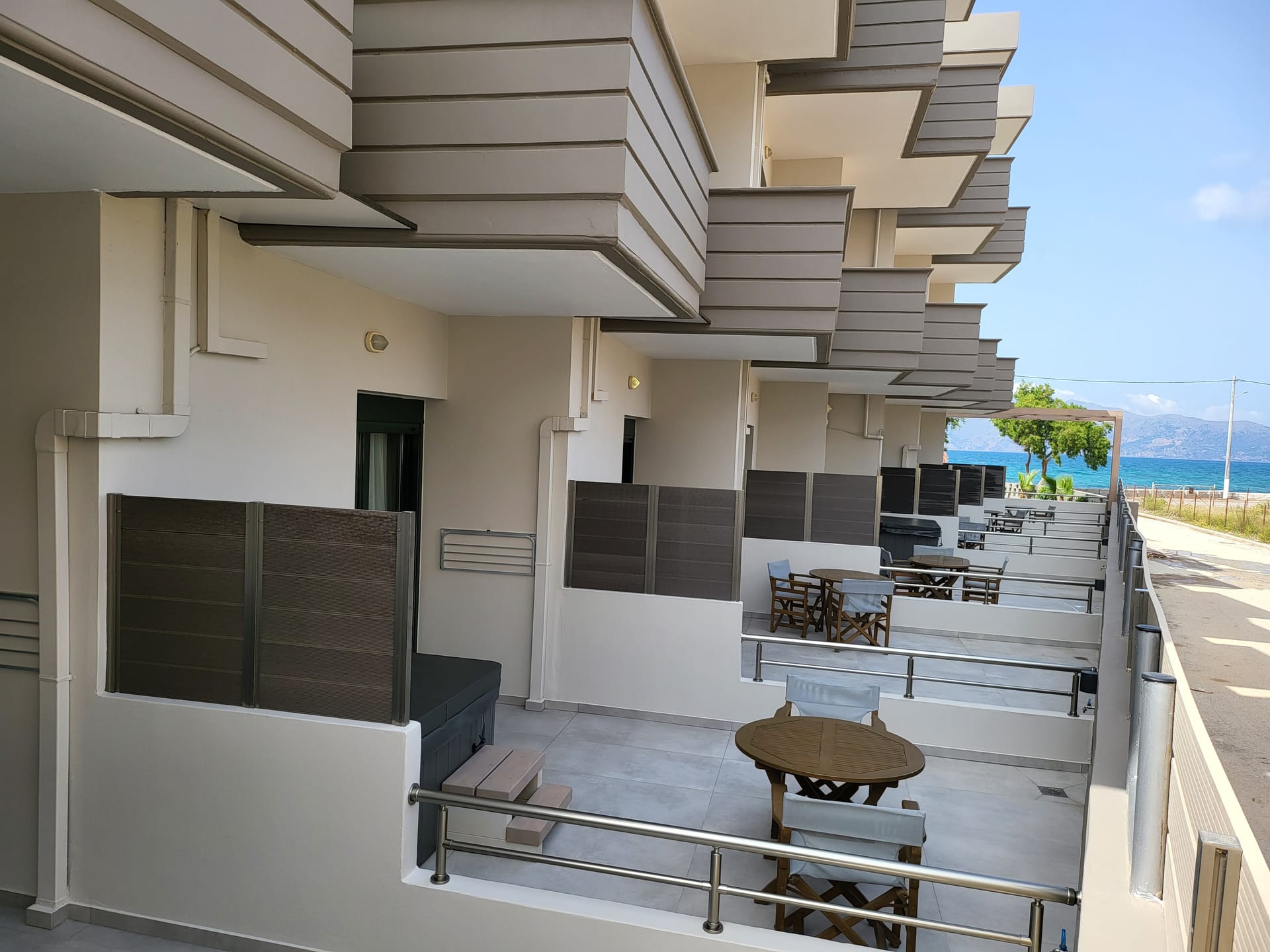
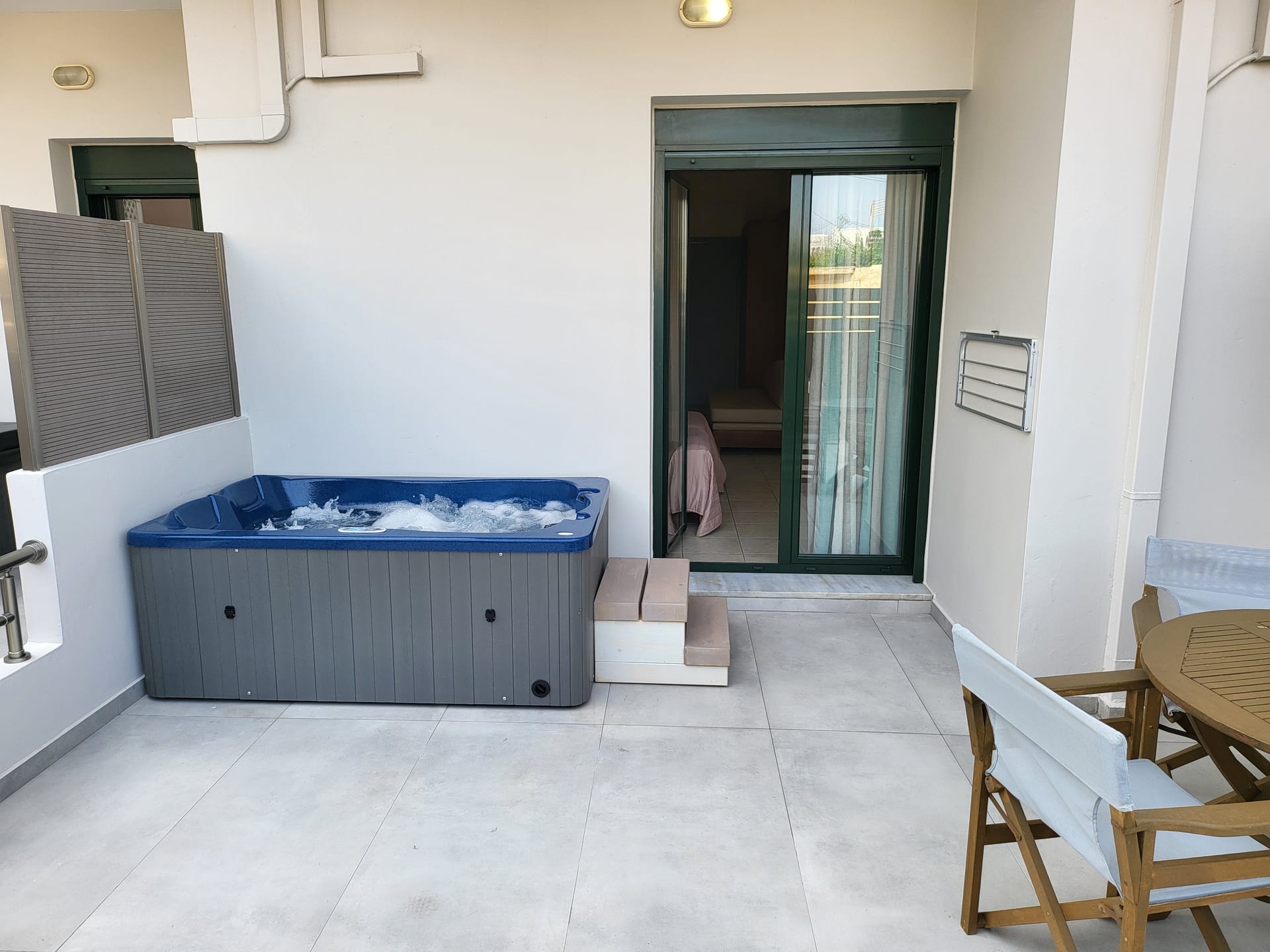
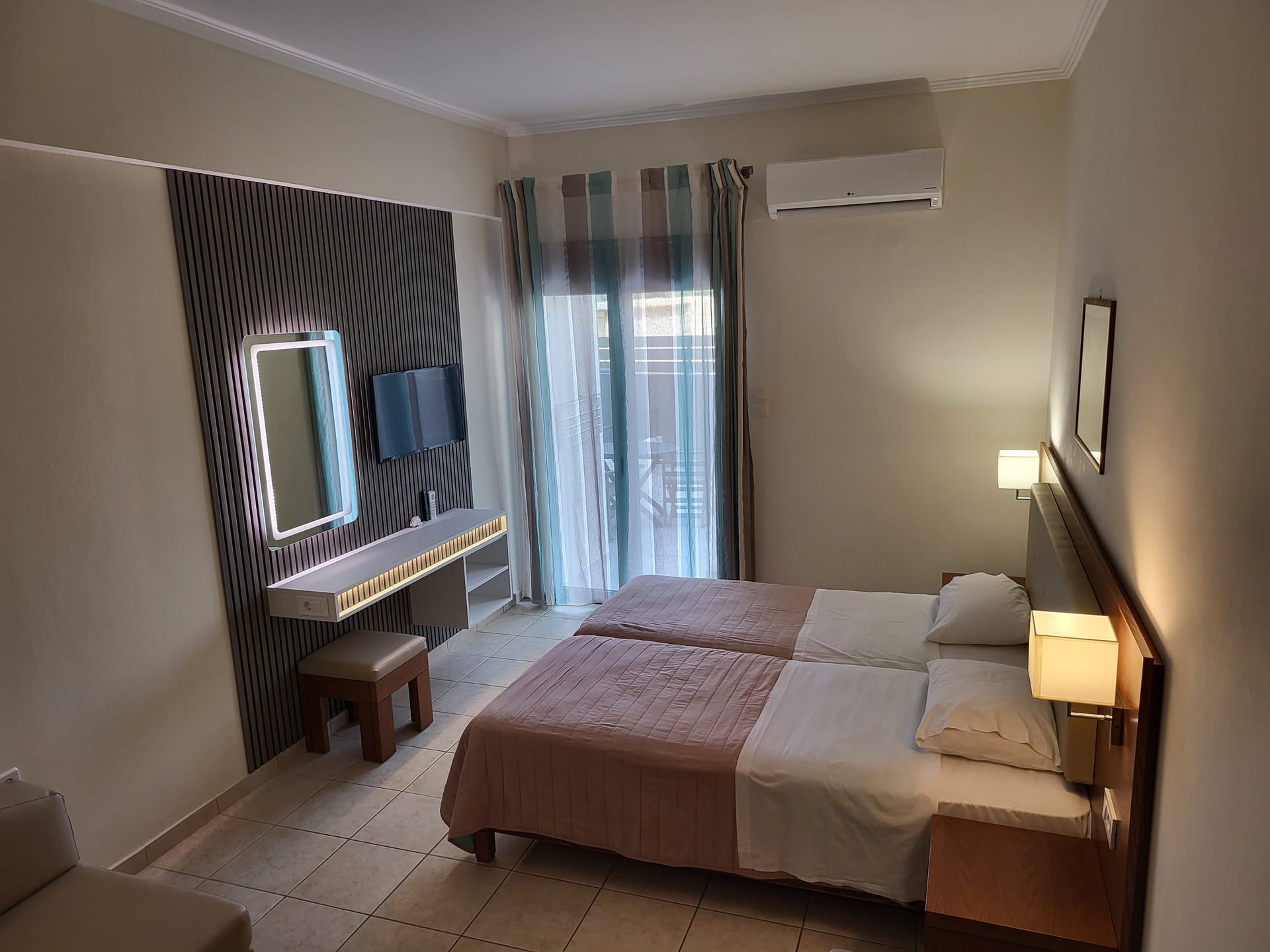
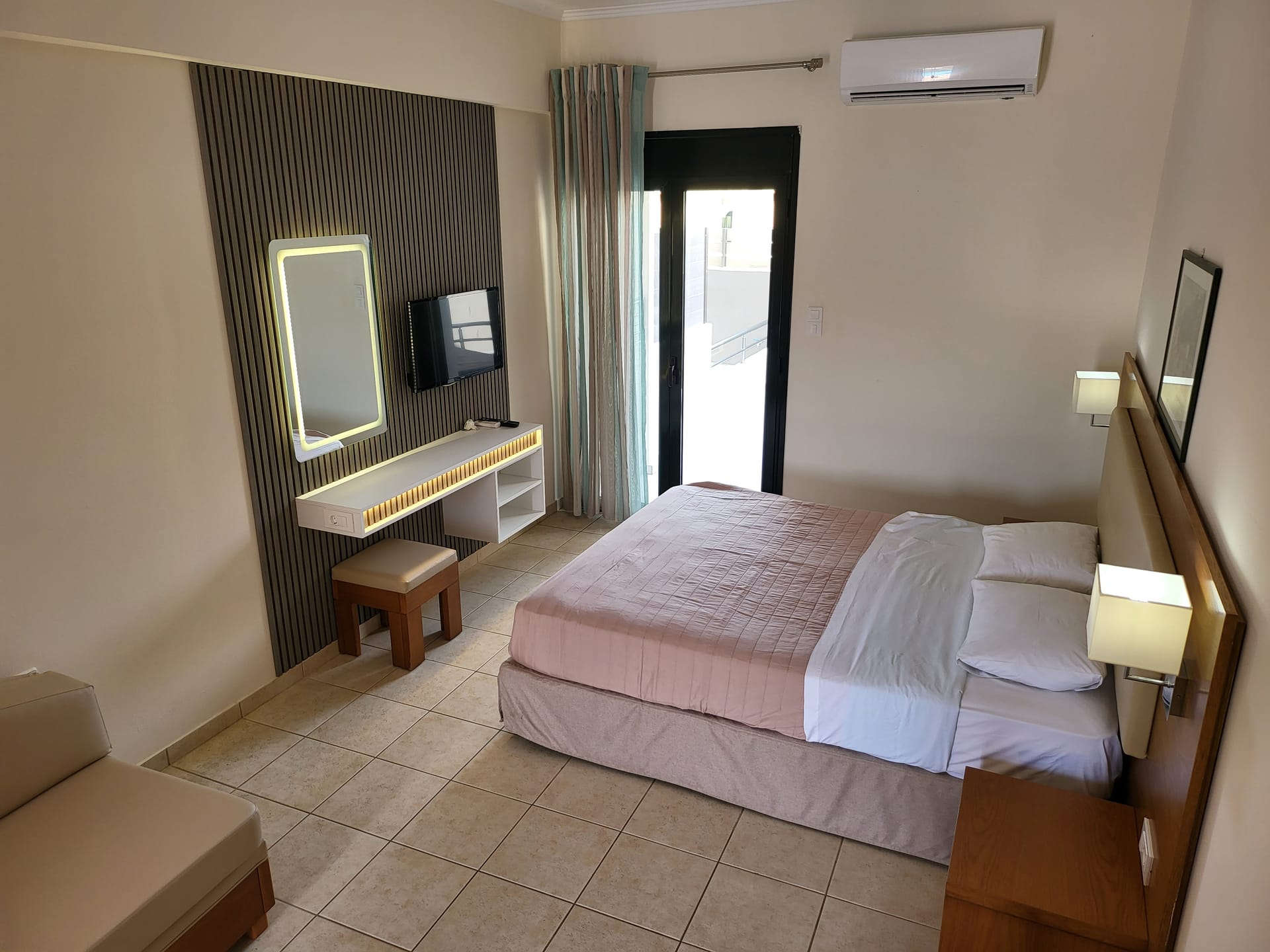
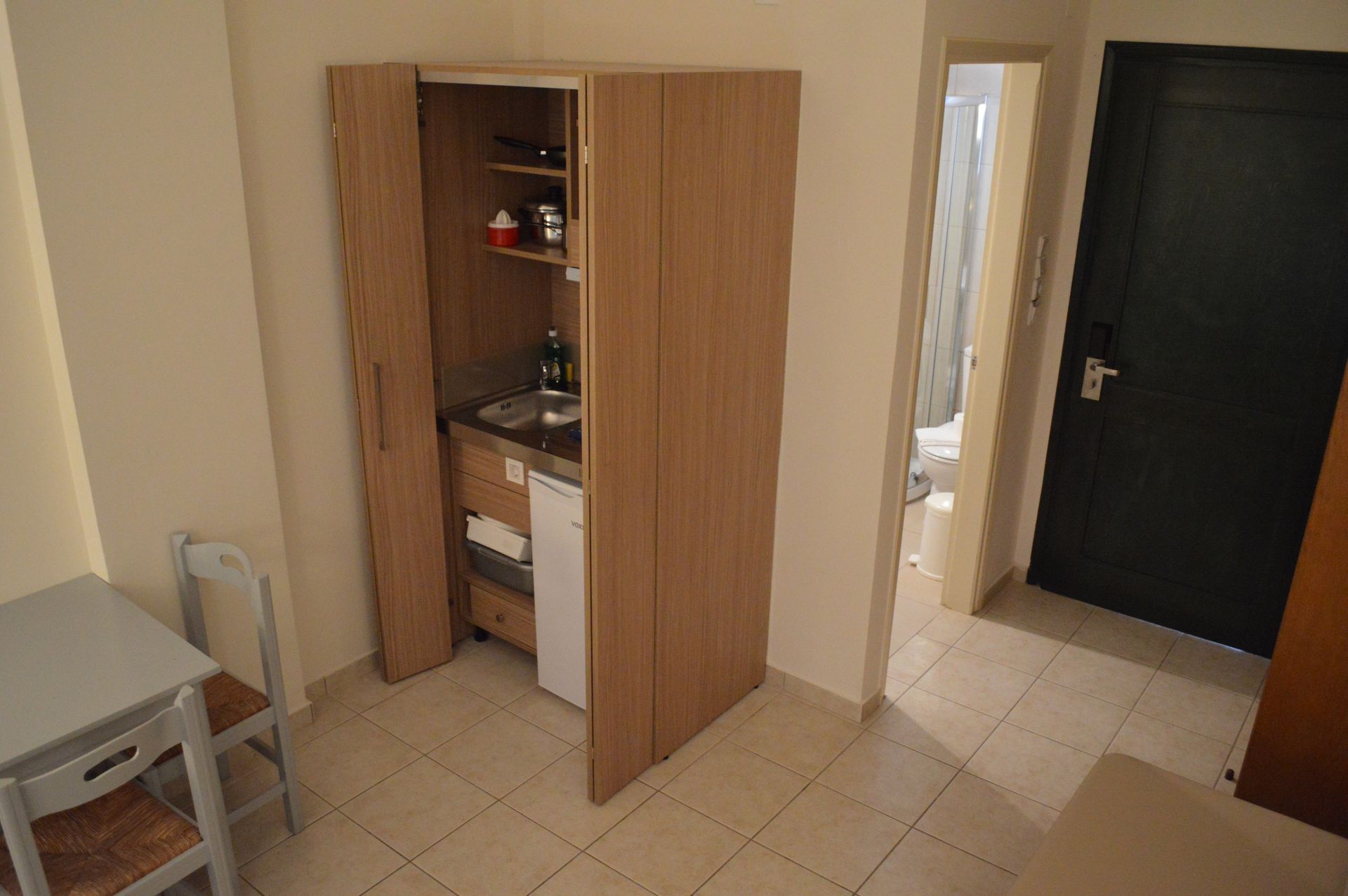
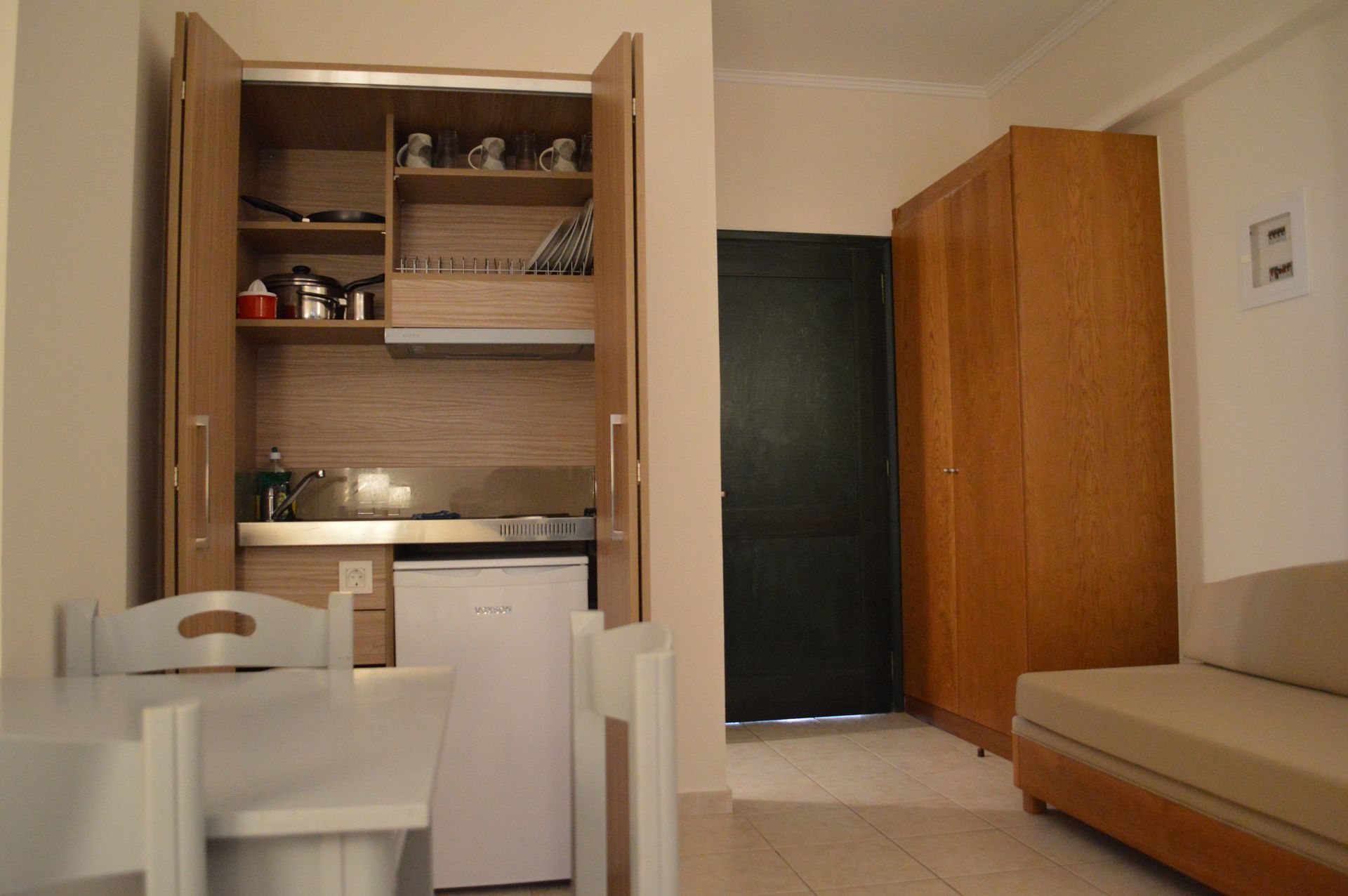
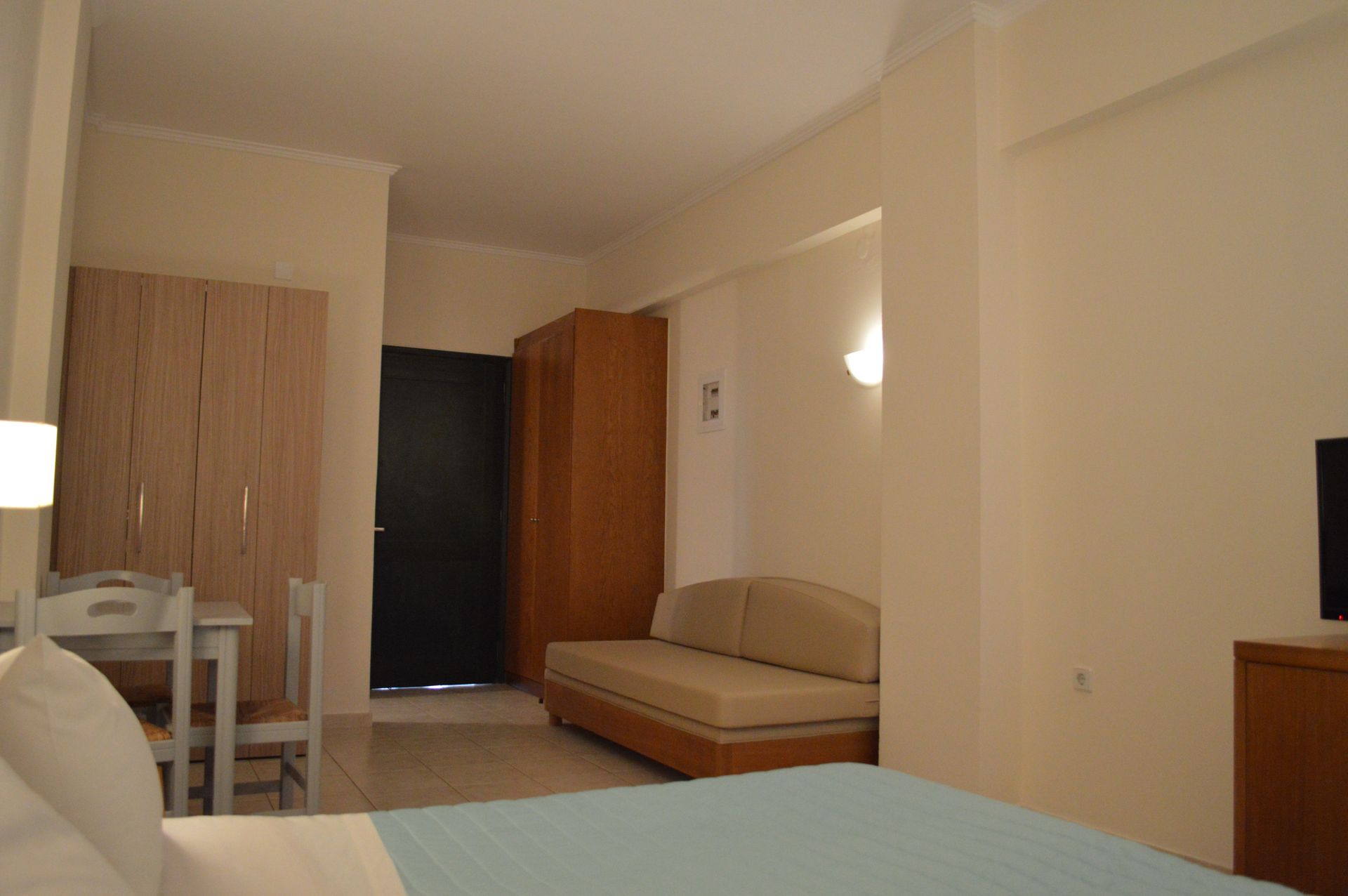
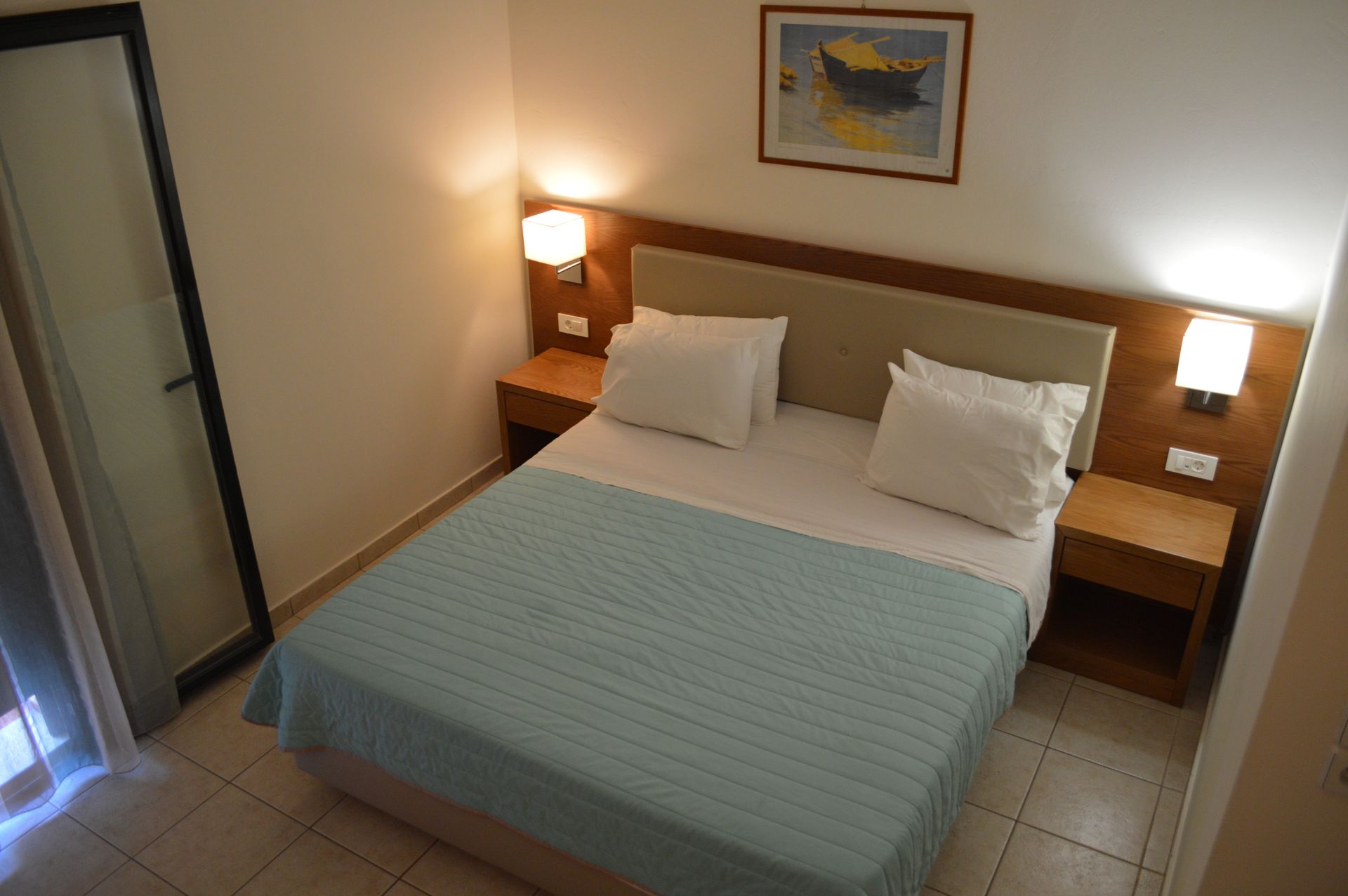
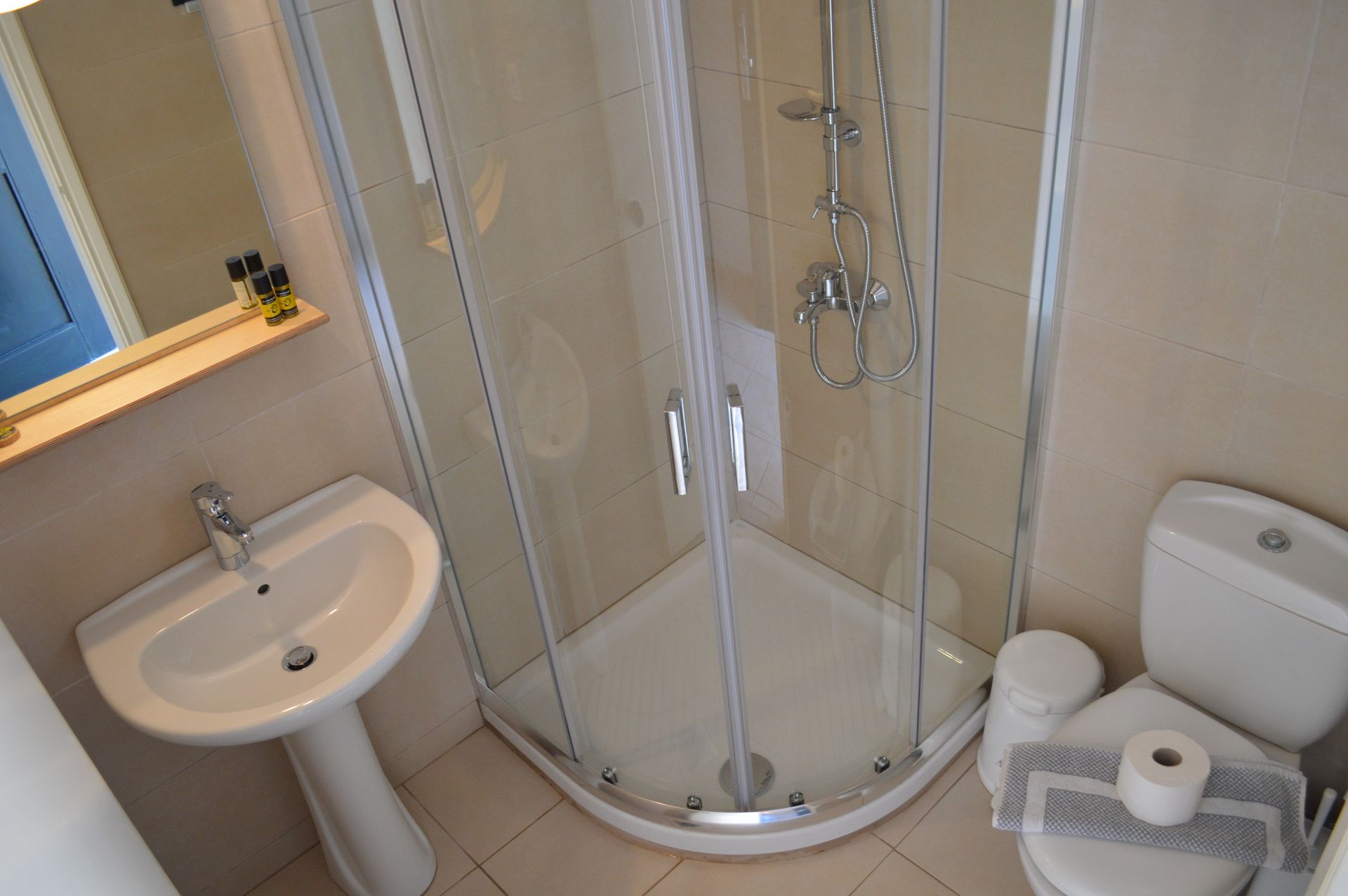
Deluxe Studio with Outdoor Jacuzzi on the Ground Floor
3 adults
This studio features a balcony, kitchenware and sofa.
Hotel
Christina Beach Kissamos on map